TRENDING

Thursday, 22 October 2026
----------------------
11 Jumada Al-Awwal 1448 AH
Ukraine has intensified its drone campaign against Russian vessels and infrastructure around Crimea, aiming to isolate the peninsula and disrupt Moscow's supply lines. This strategic shift has provoked retaliatory Russian strikes on Ukrainian ports, escalating the conflict in the critical Black Sea region.
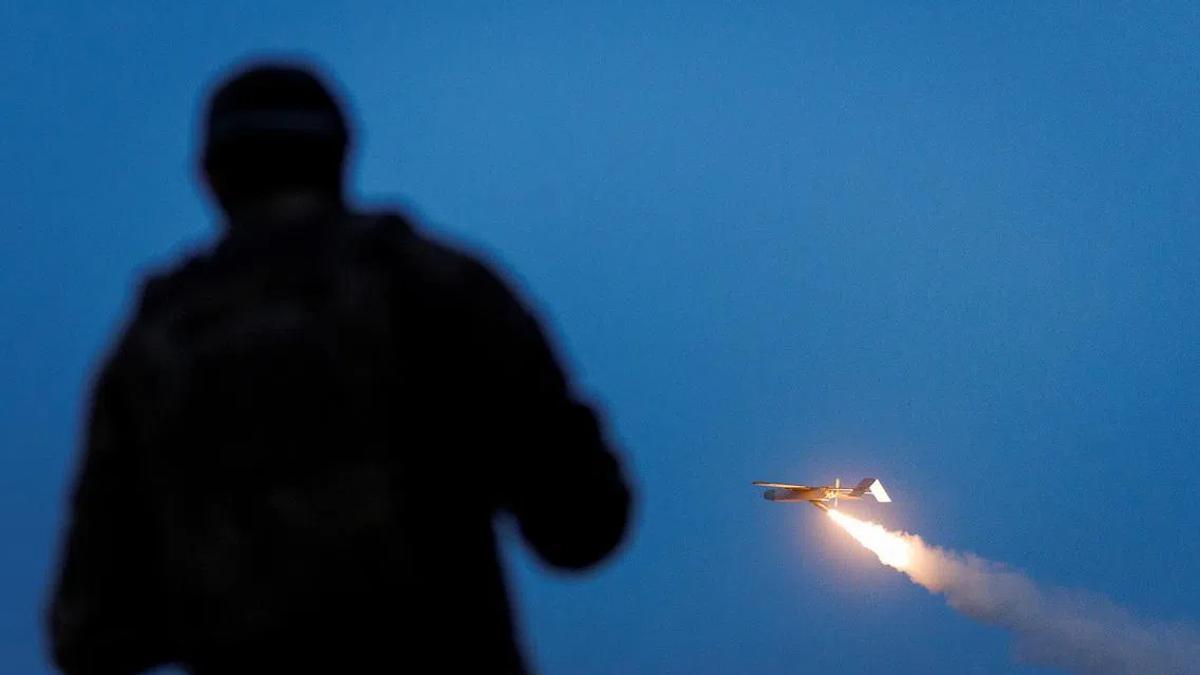
In a significant escalation of the ongoing conflict, Ukrainian forces have launched a sustained and expanding drone campaign targeting Russian maritime assets and logistical infrastructure in the Black Sea and Sea of Azov. This offensive, spearheaded by units such as the 414th Separate Unmanned Strike Aviation System Brigade "Magyar's Birds," aims to strategically isolate the Crimean Peninsula and severely impede Russia's war efforts by disrupting critical supply lines.
Over the past several weeks, Ukrainian drone units have reportedly struck more than 180 Russian vessels and other sea-borne targets around Crimea. These attacks, which initially focused on the Sea of Azov and have since expanded into the Black Sea, represent a deliberate effort by Kyiv to open a new front in the conflict. Commanders, like "Ray" and Robert "Magyar" Brovdi, emphasize that these operations are designed to increase the cost of Russia's occupation of Crimea, challenge Moscow's perceived naval dominance, and shift the strategic initiative towards Ukraine in the fifth year of the full-scale war.
Crimea, illegally annexed by Russia in 2014, serves as a pivotal military and logistical hub for Moscow's forces in southern Ukraine. It facilitates the movement of troops, equipment, and supplies crucial for sustaining operations. Ukraine's strategy has progressively targeted the peninsula's connectivity to Russia, initially focusing on road and rail links in occupied southern Ukraine. This earlier phase led to fuel shortages and a state of emergency in Crimea, with power and gas facilities also being systematically hit.
By extending the campaign to maritime targets, Ukraine is now directly challenging Russia's ability to resupply its forces via sea. The attacks on oil tankers, dry cargo ships, and other vessels are intended to starve Russian forces of resources. Reports from Ukrainian drone forces indicate significant disruption, including a claimed 75 percent reduction in capacity at the Kerch ferry crossing, a vital link between eastern Crimea and Russia's Krasnodar region. This multi-pronged approach underscores Ukraine's commitment to making Crimea an untenable logistical base for Russia, thereby weakening its overall military posture in the region.
Ukraine's drone campaign exemplifies an effective strategy of asymmetric warfare. Lacking a conventional navy capable of directly confronting Russia's Black Sea Fleet, Kyiv has leveraged relatively inexpensive, domestically produced deep-strike drones like the FP-1 and FP-2. These drones, launched from over 100km behind front lines, allow Ukrainian operators to inflict significant damage on more expensive Russian assets and infrastructure, demonstrating innovation and adaptability in modern warfare. The operational tempo, with units working day and night and constantly relocating, highlights the agility and resilience of these specialized brigades.
In response to Ukraine's escalating maritime strikes, Russia has intensified its own attacks on southern Ukrainian ports, particularly Odesa and Mykolaiv. These retaliatory strikes have targeted port infrastructure and international cargo ships, with Ukrainian officials reporting civilian casualties and significant damage. Kyiv's Agriculture Minister noted a temporary suspension of vessel arrivals at Ukraine's Black Sea ports for agricultural exports following the surge in attacks. Russia claims its strikes target infrastructure storing military cargo and fuel, but the impact on civilian shipping and grain exports is undeniable. In the first two weeks of July alone, Russia reportedly struck Ukrainian ports 23 times and civilian vessels 17 times, creating severe logistical challenges for traders.
The escalating maritime conflict carries significant geopolitical implications. The disruption of shipping routes in the Black Sea and Sea of Azov not only impacts military logistics but also has profound economic consequences. Ukraine's agricultural exports, primarily grains and vegetable oils, are a major source of foreign currency earnings, with over 90 percent shipped from Odesa region ports. Russian attacks on these ports directly threaten global food security, potentially leading to higher commodity prices and humanitarian concerns, especially in import-dependent nations.
This intensifying duel in strategic waters underscores the evolving nature of modern warfare, where unmanned systems play an increasingly decisive role. The campaign to isolate Crimea and disrupt Russian logistics represents a critical strategic objective for Ukraine, aiming to undermine Moscow's control over the peninsula and its ability to project power in the Black Sea. However, the tit-for-tat nature of these attacks also raises concerns about further escalation, including potential risks to international shipping and broader regional instability. The sustained success of Ukraine's drone operations could significantly alter the balance of power in the Black Sea, while Russia's response highlights its determination to maintain its strategic advantage and disrupt Ukraine's economic lifelines. The ongoing struggle for maritime control will remain a key determinant of the conflict's trajectory and its wider international ramifications.
Source referenced: STRAITSTIMES
This brief was synthesized by our Editorial Engine and reviewed by The Ground Narrative team.


