TRENDING

Friday, 16 October 2026
----------------------
5 Jumada Al-Awwal 1448 AH
The unexpected dismissal of Ukraine's highly regarded Defence Minister, Mykhailo Fedorov, by President Zelensky has triggered public protests in Kyiv, raising questions about internal stability and military strategy amidst ongoing conflict with Russia. This leadership change comes as Fedorov was credited with overseeing successful operations, including deep strikes into Russian territory.
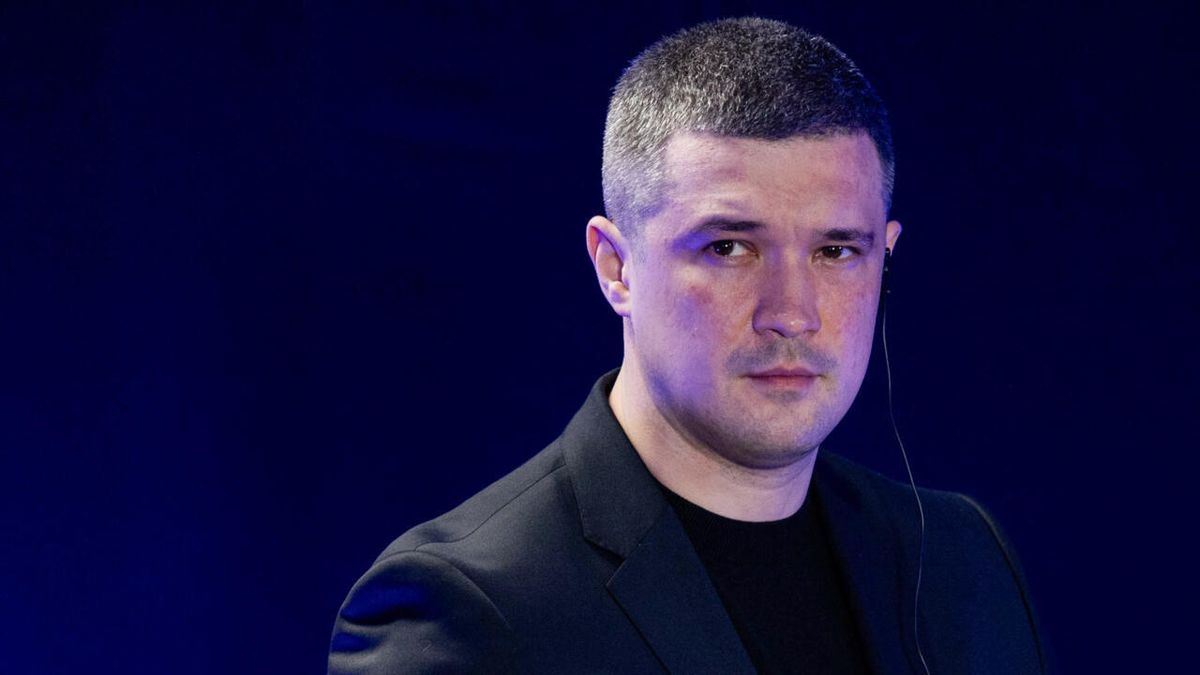
On July 16, 2026, Ukraine's political landscape experienced a significant tremor with the dismissal of Defence Minister Mykhailo Fedorov by President Volodymyr Zelensky. This decision has not only sparked public protests in the capital, Kyiv, but also ignited a broader discussion about internal stability, military strategy, and the perception of Ukraine's leadership during a critical phase of its conflict with Russia. The protests, notably occurring even as Russian missiles targeted Kyiv, underscore the depth of public sentiment regarding Fedorov's removal.
Mykhailo Fedorov had garnered a reputation as "Kyiv's most successful defence minister," a title earned through his oversight of a series of effective Ukrainian military operations. These operations reportedly included successful strikes on energy targets located deep within Russian territory, demonstrating Ukraine's evolving capabilities and strategic reach. His tenure was thus associated with tangible successes in the ongoing war, making his dismissal particularly perplexing to many observers and the Ukrainian public.
The immediate motivations behind President Zelensky's decision to remove such a seemingly effective and popular minister remain undisclosed. In wartime, leadership changes, especially at the defence portfolio, are often indicative of significant strategic shifts, internal political maneuvering, or responses to perceived inefficiencies or corruption. However, in Fedorov's case, the public narrative, as evidenced by the protests, points to a minister whose performance was widely lauded.
The public's reaction, characterized by demonstrations in Kyiv despite the immediate threat of Russian missile attacks, highlights a potential disconnect between the government's decisions and popular opinion. Such protests during active conflict are rare and signal a profound level of concern among citizens regarding the direction of the war effort and the stability of their leadership. This public discontent could pose a challenge to national unity, which is paramount for any nation engaged in a protracted conflict.
From a geopolitical perspective, the dismissal of a key wartime figure like Fedorov carries several implications. Firstly, it raises questions about the continuity of Ukraine's military strategy. Fedorov's association with successful deep strikes into Russia suggests a particular operational approach. His departure could signal a shift in this strategy, potentially impacting future offensive or defensive operations. Allies providing military aid and support will undoubtedly be observing these developments closely, seeking clarity on Ukraine's strategic direction and the stability of its command structure.
Secondly, the timing of this dismissal, amidst ongoing hostilities, could be interpreted differently by various actors. For Ukraine's allies, it might prompt concerns about internal cohesion and the effectiveness of decision-making processes in Kyiv. Maintaining confidence among international partners is crucial for sustaining the flow of military, financial, and humanitarian aid. Any perception of instability or strategic uncertainty could complicate these vital relationships.
Conversely, Russia, as the adversary, might view this internal shake-up as a potential sign of weakness or disarray within the Ukrainian leadership. Such an interpretation could influence Russia's own strategic calculations, potentially encouraging more aggressive actions or a belief that Ukraine's resolve or operational effectiveness might be compromised. However, it could also be a move by Kyiv to inject new dynamism or address internal issues not publicly known, aiming for a more effective war effort in the long run.
The challenge for President Zelensky and the Ukrainian government now lies in effectively communicating the rationale behind this significant leadership change and reassuring both the domestic population and international partners of the continued stability and strategic coherence of Ukraine's war effort. The appointment of a successor will be critical, as will their ability to quickly establish credibility and maintain the momentum of successful operations. The protests in Kyiv serve as a potent reminder that public trust and support are indispensable assets, especially when a nation is fighting for its very survival. The geopolitical ramifications of this internal political decision will continue to unfold, influencing not only Ukraine's domestic stability but also its standing on the international stage and the trajectory of the ongoing conflict.
Source referenced: FRANCE24
This brief was synthesized by our Editorial Engine and reviewed by The Ground Narrative team.