TRENDING

Tuesday, 27 October 2026
----------------------
16 Jumada Al-Awwal 1448 AH
US President Donald Trump's upcoming G-7 summit in France will see him engage with Middle Eastern leaders and Ukrainian President Volodymyr Zelensky, amidst a complex web of strategic interests and regional implications.
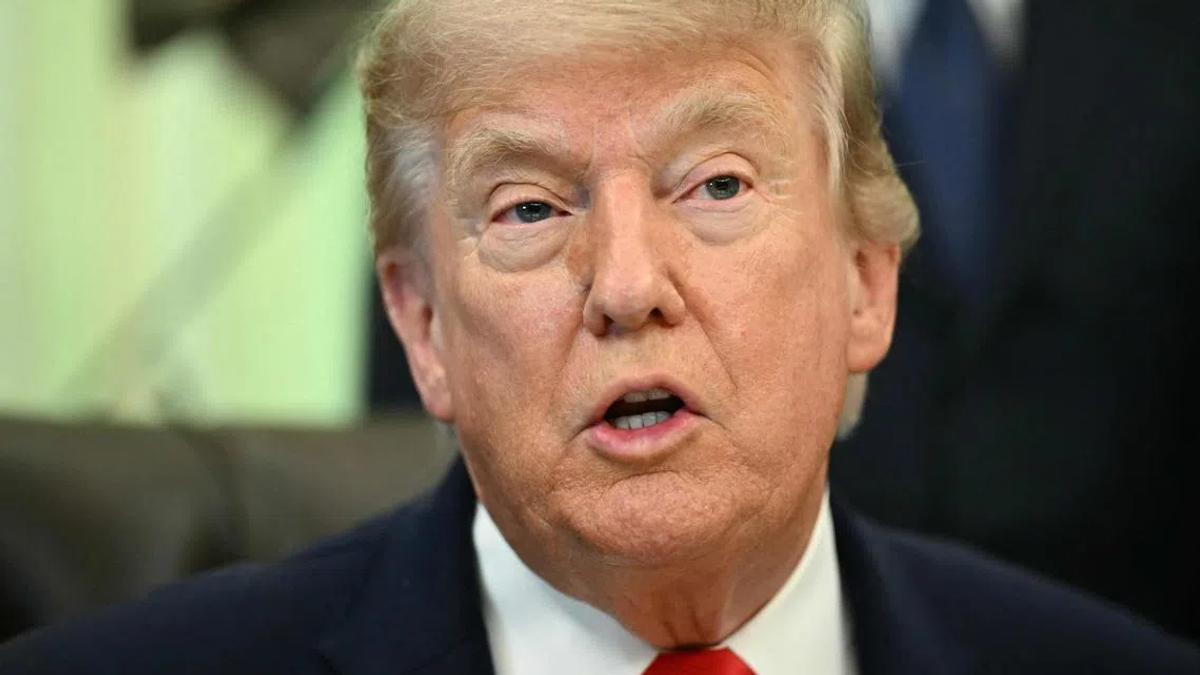
US President Donald Trump's upcoming G-7 summit in France has sparked significant interest, particularly in light of his planned meetings with Middle Eastern leaders and Ukrainian President Volodymyr Zelensky. This development marks a crucial juncture in the complex geopolitics of the region, with far-reaching implications for global stability and security.
Trump's decision to meet with the leaders of Egypt, Qatar, United Arab Emirates, France, and India reflects the US administration's efforts to strengthen ties with key regional players. This move is likely aimed at countering Iran's growing influence in the region, as well as promoting economic growth and development. The US has long been a major player in the Middle East, and Trump's engagement with regional leaders is a strategic attempt to reassert American influence.
The planned working session between Trump and Zelensky at the G-7 summit is a significant development, particularly in light of the ongoing conflict in eastern Ukraine. While no bilateral meeting is scheduled, the two leaders may still meet on the sidelines of the summit. This encounter will be closely watched, as it could potentially pave the way for a renewed diplomatic push to resolve the conflict.
Trump's G-7 agenda is driven by a complex set of strategic motivations, including the need to boost economic growth and development, enhance supply chain resilience, and counter the rise of China. The US administration is also keen to promote its vision for a more stable and secure Middle East, one that is less susceptible to Iranian influence. However, these efforts are likely to be met with resistance from regional players, who may view the US as an unreliable partner.
The outcome of Trump's G-7 agenda will have significant implications for global stability and security. A successful summit could pave the way for renewed diplomatic efforts to resolve the conflict in Ukraine, as well as promote economic growth and development in the Middle East. However, a failure to achieve these objectives could lead to increased tensions and instability in the region, with far-reaching consequences for global security.
Trump's G-7 agenda is a strategic gamble that reflects the complex geopolitics of the region. While the US administration's efforts to strengthen ties with key regional players are laudable, they are likely to be met with resistance from regional players. The outcome of this summit will have significant implications for global stability and security, and will be closely watched by policymakers and analysts around the world.
Editor's Note: The analysis is based on publicly available information and may not reflect the full range of strategic motivations and regional implications.
Source referenced: STRAITSTIMES
This brief was synthesized by our Editorial Engine and reviewed by The Ground Narrative team.