TRENDING

Sunday, 4 October 2026
----------------------
23 Rabi' Al-Thani 1448 AH
Seventy years after Graham Greene's The Quiet American, the novel's themes of American exceptionalism and the dangers of humanitarian intervention remain eerily relevant. As the US continues to grapple with its role in global affairs, Greene's prophecy serves as a warning about the devastating consequences of innocence and idealism in foreign policy.
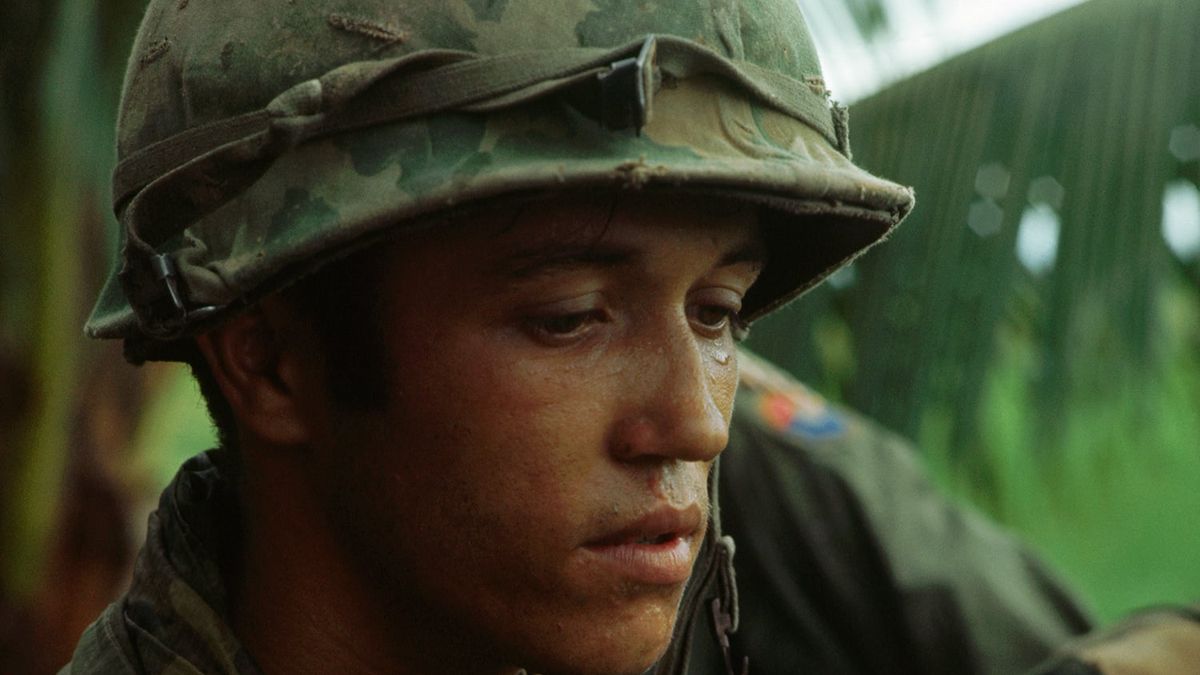
Graham Greene's novel, The Quiet American, published in 1956, predicted the future of US involvement in Vietnam with uncanny precision. The story follows Alden Pyle, a young and idealistic member of the American Economic Mission, who arrives in Vietnam to cultivate a US-backed 'third force' to counter the communist and colonialist forces. The novel's climax features a devastating bomb attack in a crowded Saigon market, killing and wounding civilians, which serves as a metaphor for the horrors of the US invasion of Vietnam.
The Quiet American exposes the dangers of American exceptionalism, where the US seeks to impose its ideology on other nations, often with catastrophic consequences. Pyle's character represents the quintessential American innocence, believing that being more like the US will be good for the Vietnamese. However, this ideology is based on a flawed understanding of the local context and a dogmatic faith in American exceptionalism. The novel highlights the power mechanics at play, where the US seeks to exert its influence through covert operations, humanitarian intervention, and the cultivation of local proxies.
The human cost of American intervention is a central theme in The Quiet American. The novel portrays the devastating consequences of the US-backed 'third force' on the local population, including the killing and wounding of civilians in the Saigon market bombing. The story also highlights the personal costs of war, as the characters grapple with the moral implications of their actions. The human cost of American intervention is not limited to the Vietnamese people; it also affects the American soldiers and operatives who are sent to fight and die in foreign lands.
The Quiet American reveals the untold story of American intervention, where the US government and its operatives often downplay or omit the devastating consequences of their actions. The novel exposes the hypocrisy of American exceptionalism, where the US claims to be promoting democracy and freedom while engaging in covert operations and humanitarian interventions that often harm local populations. The untold story is also one of surveillance and censorship, as Greene himself was surveilled by US intelligence and criticized for his anti-American views.
As the US continues to navigate its role in global affairs, readers should watch for the enduring themes of American exceptionalism and the dangers of humanitarian intervention. The Quiet American serves as a warning about the consequences of innocence and idealism in foreign policy, and its prophecy remains eerily relevant today. The US government and its operatives must be held accountable for their actions, and the American public must be aware of the human cost of intervention. As Greene's novel suggests, the only quiet American is a dead American, and it is time for the US to reexamine its role in the world and the consequences of its actions.
Editor's Note: The analysis is based on a thorough reading of The Quiet American and its historical context, but the interpretation of the novel's themes and relevance to contemporary US foreign policy is subjective and open to debate.
Source referenced: FOREIGNPOLICY
This brief was synthesized by our Editorial Engine and reviewed by The Ground Narrative team.