TRENDING

Friday, 23 October 2026
----------------------
12 Jumada Al-Awwal 1448 AH
Spain is grappling with extensive wildfires near Madrid and Toledo, forcing tens of thousands to evacuate amidst record-breaking temperatures. This crisis underscores the escalating geopolitical and socio-economic challenges posed by climate change across Southern Europe.
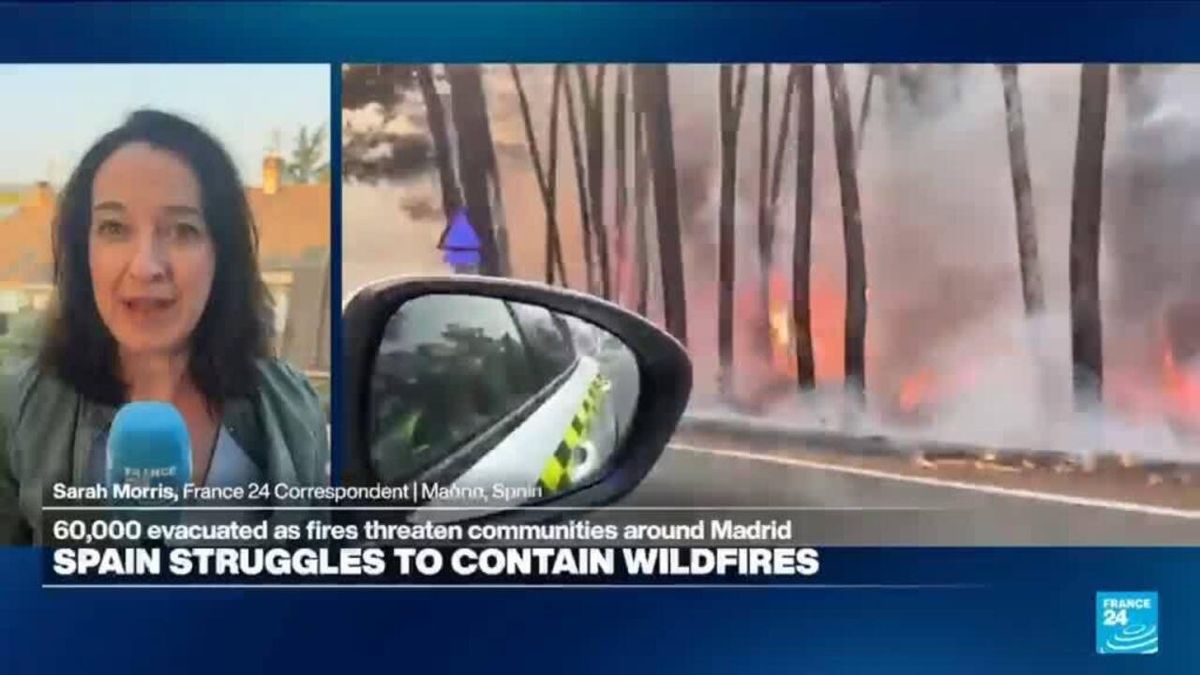
Spain is currently confronting a severe wildfire crisis, with significant blazes raging near the capital, Madrid, and the historic city of Toledo. The situation, described by authorities as a "difficult night" for firefighters, has led to widespread concern as emergency services battle to prevent multiple fires from merging into larger, more uncontrollable conflagrations. This environmental catastrophe, unfolding on July 26, 2026, has necessitated the evacuation of approximately 70,000 people from the Madrid region alone, highlighting the immediate and profound humanitarian impact of these events.
At the heart of this escalating crisis are the record-breaking temperatures sweeping across the Iberian Peninsula. These extreme heatwaves, a direct consequence of global climate change, create tinderbox conditions, accelerating the spread and intensity of wildfires. Spain, situated in a region highly susceptible to desertification and prolonged droughts, finds itself on the front lines of Europe's climate vulnerability. The frequency and severity of such events are increasing, transforming what were once exceptional occurrences into a recurring annual challenge, with significant long-term implications for the nation's environment, economy, and social fabric.
The wildfires in Spain extend beyond a mere environmental disaster; they represent a complex geopolitical and socio-economic challenge with far-reaching consequences:
* Economic Strain: The immediate economic costs are substantial, encompassing firefighting efforts, emergency services, and the reconstruction of damaged infrastructure. Long-term, the fires devastate agricultural lands, forests, and potentially impact the vital tourism sector, a cornerstone of the Spanish economy. The destruction of natural capital also represents a significant loss, affecting ecosystem services and future economic productivity.
* Humanitarian and Social Impact: The mass evacuations underscore the direct human cost, including displacement, loss of homes, and the psychological trauma inflicted upon affected communities. Smoke pollution poses significant public health risks, particularly for vulnerable populations. The strain on public services and emergency response mechanisms tests the government's capacity to manage large-scale crises, potentially eroding public trust and stability.
* Environmental Degradation: Beyond immediate destruction, wildfires contribute to long-term environmental degradation. They release vast amounts of carbon dioxide, exacerbating climate change, and lead to soil erosion, loss of biodiversity, and increased desertification. This creates a vicious cycle where environmental damage makes future fires more likely and more severe.
* Governance and Resilience: The crisis serves as a critical test of Spain's national resilience and its governance structures. Effective disaster response, resource allocation, and long-term climate adaptation strategies are paramount. The ability of the Spanish government to coordinate a swift and effective response, while simultaneously addressing the root causes through climate policy, will be under intense scrutiny both domestically and internationally.
* European Context and Cooperation: As a prominent member of the European Union, Spain's struggles resonate across the continent. Wildfires are a trans-national challenge in Southern Europe, often requiring cross-border cooperation and mutual assistance mechanisms, such as the EU's rescEU program. The Spanish crisis highlights the collective vulnerability of European nations to climate change and underscores the imperative for coordinated EU-level climate policies, investment in prevention, and enhanced disaster response capabilities.
The recurring nature of these extreme weather events necessitates a dual approach of adaptation and mitigation. Spain, like other vulnerable nations, must invest heavily in proactive measures such as forest management, early warning systems, and resilient infrastructure. Simultaneously, global efforts to mitigate climate change through drastic reductions in greenhouse gas emissions remain critical. The wildfires near Madrid and Toledo are not isolated incidents but rather stark indicators of a changing global climate, demanding sustained geopolitical attention and collaborative international action to safeguard human security and environmental stability in an increasingly volatile world.
Source referenced: FRANCE24
This brief was synthesized by our Editorial Engine and reviewed by The Ground Narrative team.


