TRENDING

Friday, 23 October 2026
----------------------
12 Jumada Al-Awwal 1448 AH
A revived maritime agreement between Turkey and Libya is redrawing sea borders, sparking rivalry with Greece, Egypt, and Israel, while ordinary coastal residents face heightened uncertainty.
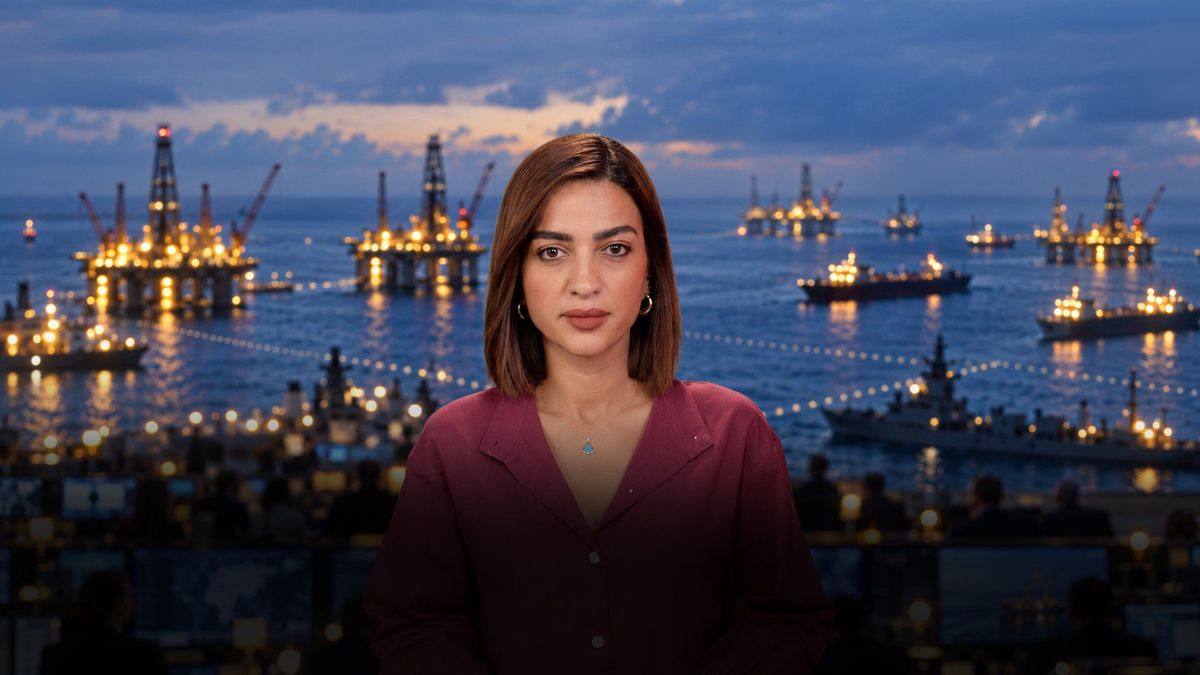
A renewed maritime accord between Turkey and Libya was signed in early October 2026, redefining the continental shelf boundaries in the eastern Mediterranean. The deal grants Turkey a claim to a swath of waters that overlap with zones asserted by Greece, Egypt, and Israel, reigniting a dispute that has simmered since the 2010s.
The newly mapped area sits atop proven and prospective hydrocarbon reservoirs that could add billions of dollars to national coffers. Turkey seeks to secure its energy independence after years of reliance on Russian gas, while Libya—still fragmented between rival administrations—views the pact as a lifeline for reconstruction funds. By aligning their claims, the two governments aim to attract multinational oil firms willing to navigate the legal ambiguities of the region.
Beyond oil, the agreement is a strategic move in a broader contest for influence. Turkey has been expanding its naval footprint from the Aegean to the Red Sea, positioning itself as a regional power broker. For Libya, the deal offers a counterweight to the rival eastern government backed by Russia and the United Arab Emirates. Meanwhile, Greece, Egypt, and Israel interpret the pact as an encroachment that threatens their own maritime entitlements and security calculations.
NATO’s eastern flank is now forced to reconcile divergent member interests. While Turkey remains a NATO ally, its unilateral maritime push strains relations with fellow members who depend on the same sea lanes for trade and energy imports. The United States, wary of a potential flashpoint that could draw in Russian and Chinese interests, has issued cautious statements, emphasizing diplomatic resolution without directly condemning either side.
Coastal communities that have fished these waters for generations are suddenly caught in a legal tug‑of‑war. The overlapping claims mean that fishing licences could be revoked, vessels seized, or naval patrols intensified, jeopardizing livelihoods that already struggle with over‑fishing and climate‑induced stock declines.
In the Turkish town of Çanakkale, local captains report that patrol boats now shadow their trips, demanding proof of authorization that no longer matches the shifting maps. Similar anxieties echo in the Libyan port of Misrata, where fishermen fear that foreign fleets—backed by the new deal—will dominate the most productive fishing grounds, leaving them with dwindling catches.
Tourism, a vital revenue stream for islands such as Rhodes and Cyprus, could suffer if naval confrontations deter visitors. Hotels and small businesses depend on the perception of a safe, stable seaside; any escalation risks a drop in bookings, compounding the economic strain already felt after the pandemic.
The prospect of accelerated offshore drilling raises the specter of ecological damage. Past incidents in the Mediterranean have shown how oil spills can devastate marine habitats, affecting both biodiversity and the very fish stocks that sustain coastal towns. Communities lack the resources to monitor or mitigate such threats, leaving them vulnerable to corporate‑driven accidents.
Official statements from Turkey and Libya frame the pact as a mutually beneficial step toward regional stability. Yet several layers of complexity remain hidden from public discourse.
The United Nations Convention on the Law of the Sea (UNCLOS) does not recognize unilateral re‑mapping of continental shelves without joint scientific surveys. Both Turkey and Libya sidestep this requirement, relying on historical claims and political leverage rather than internationally accepted methodology. This legal ambiguity allows them to press forward while leaving the dispute technically unresolved.
Energy corporations from Europe and the United States are quietly lobbying for access to the newly claimed blocks, despite ongoing sanctions regimes that target entities linked to the Libyan Government of National Unity. By positioning the deal as a commercial opportunity, they downplay the geopolitical fallout and the risk of breaching sanction rules.
State‑aligned media in Ankara and Tripoli emphasize sovereignty and economic growth, while downplaying the potential for militarization. Conversely, Western outlets often present the situation as a bilateral negotiation, omitting the broader regional rivalry that involves Greece, Egypt, and Israel, as well as the strategic interests of the United States and Russia.
The next few months will reveal whether diplomatic channels can contain the dispute. Watch for a possible EU‑mediated dialogue that could produce a joint declaration on maritime boundaries, and for any NATO statements that might pressure Turkey to pause its naval deployments. Additionally, monitor the activity of offshore drilling rigs in the contested zone; their presence will be a concrete indicator of whether the agreement moves from paper to practice, and whether the risk of an accidental clash rises.
Stay alert to shifts in fishing licence policies, local protest movements in coastal towns, and any legal challenges brought before the International Court of Justice, which could set a precedent for future Mediterranean disputes.
It redraws continental shelf boundaries, giving **Turkey** and **Libya** overlapping claims with **Greece**, **Egypt**, and **Israel**, and opens the area to new oil and gas exploration.
Fishermen risk losing access to traditional fishing grounds as naval patrols enforce new claims, and foreign fleets may dominate the most productive waters, threatening livelihoods.
The agreement bypasses UNCLOS requirements for joint scientific surveys, creating a legal gray zone that could be contested in international courts.
Editor's Note: Analysis based on publicly available statements and historical patterns; on‑the‑ground developments may shift rapidly.
Source referenced: ALJAZEERA
This brief was synthesized by our Editorial Engine and reviewed by The Ground Narrative team.