TRENDING

Thursday, 22 October 2026
----------------------
11 Jumada Al-Awwal 1448 AH
A virus previously thought to only infect cattle has made an unprecedented jump to a human host in France, marking a new frontier in zoonotic disease. While authorities reassure the public, this event reveals deeper vulnerabilities in global health systems and the silent costs borne by ordinary people.
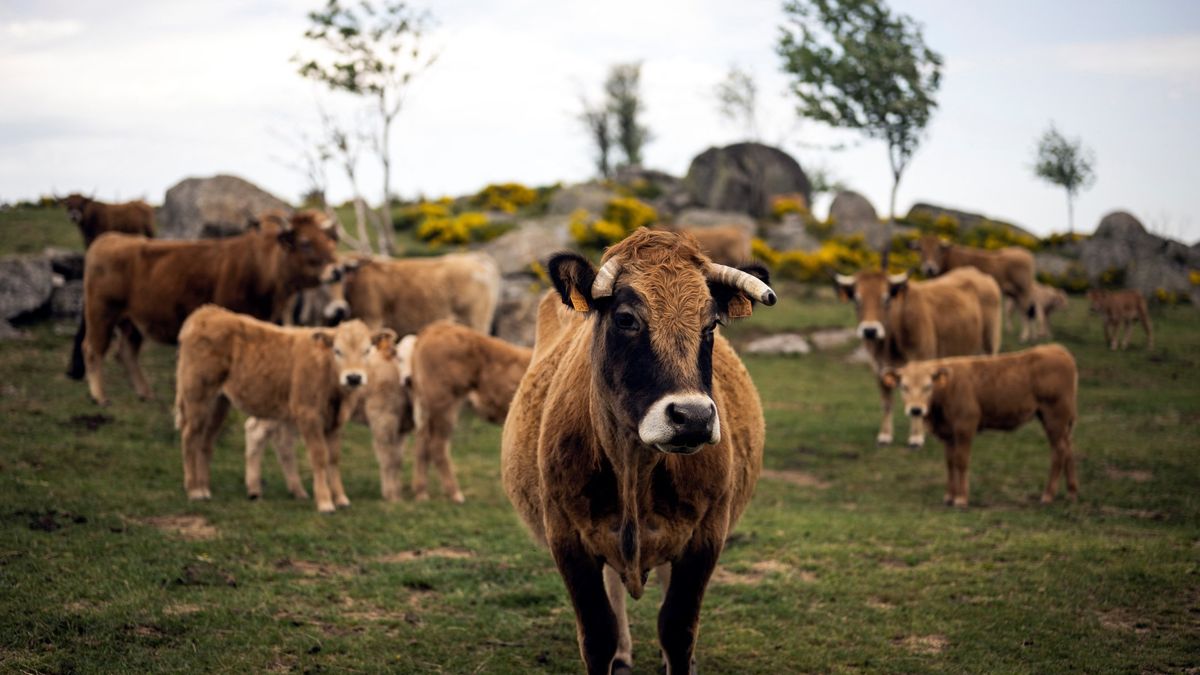
French authorities have confirmed the first documented human case of the Shamonda virus, an orthobunyavirus primarily known to infect cattle. The patient, who died in a Lyon hospital in October, represents a significant species jump for a pathogen previously considered non-transmissible to humans. The virus, spread by biting midges of the genus Culicoides, was first identified in Nigeria in the 1960s and has since been reported sporadically across Africa and Japan. More recently, it was detected in sick cattle across several European nations, including Germany, Switzerland, Austria, Belgium, Ireland, Italy, Liechtenstein, Luxembourg, the Netherlands, Portugal, Slovenia, Spain, and the United Kingdom's Jersey, before its human detection in eastern France. Despite the human fatality, the French Ministry of Agriculture has stated there are no identifiable health risks to the general population at this time.
This incident highlights a complex interplay of power dynamics involving public health bodies, agricultural sectors, and the broader geopolitical landscape of disease surveillance. At the forefront are national health agencies, like France's Ministry of Agriculture, tasked with balancing public safety with economic stability. Their immediate response to downplay widespread risk is a common strategy to prevent panic and protect vital industries, particularly Europe's extensive livestock sector. The European Union's agricultural economy is immense, and any perceived threat to animal health can trigger significant trade restrictions and market instability, as seen in the recent suspension of some Namibian meat imports by the EU due to cattle disease concerns.
The scientific community holds a different kind of power—the power of knowledge. Researchers are now in a race to understand the Shamonda virus's new capabilities, its potential for human-to-human transmission (currently unknown), and the efficacy of existing or new interventions. Their findings will directly influence policy and public health directives, yet their work is often constrained by funding and political priorities.
Underlying these immediate responses are the structural forces of climate change and globalization. Warming temperatures and altered weather patterns are expanding the geographic range of insect vectors like Culicoides midges, pushing diseases into new territories where populations lack natural immunity or surveillance systems are unprepared. This environmental shift fundamentally alters the power balance between humans and pathogens, giving viruses new pathways to spread and evolve. The globalized movement of goods, people, and even livestock also creates conduits for rapid disease dissemination, challenging traditional border controls and national health perimeters.
Finally, the power of information—and its control—is crucial. Governments and international organizations like the World Health Organization (WHO) and the World Organisation for Animal Health (OIE) wield significant influence over how such events are communicated. The initial framing of
Source referenced: ALJAZEERA
This brief was synthesized by our Editorial Engine and reviewed by The Ground Narrative team.


