TRENDING

Thursday, 22 October 2026
----------------------
11 Jumada Al-Awwal 1448 AH
Ukrainian President Volodymyr Zelenskyy has indicated openness to a ceasefire with Russia, accepting a deal that would freeze current front lines and retain at least 75% of Ukraine's territory. This marks a significant shift in Kyiv's public stance, signaling a potential path to ending the protracted conflict.
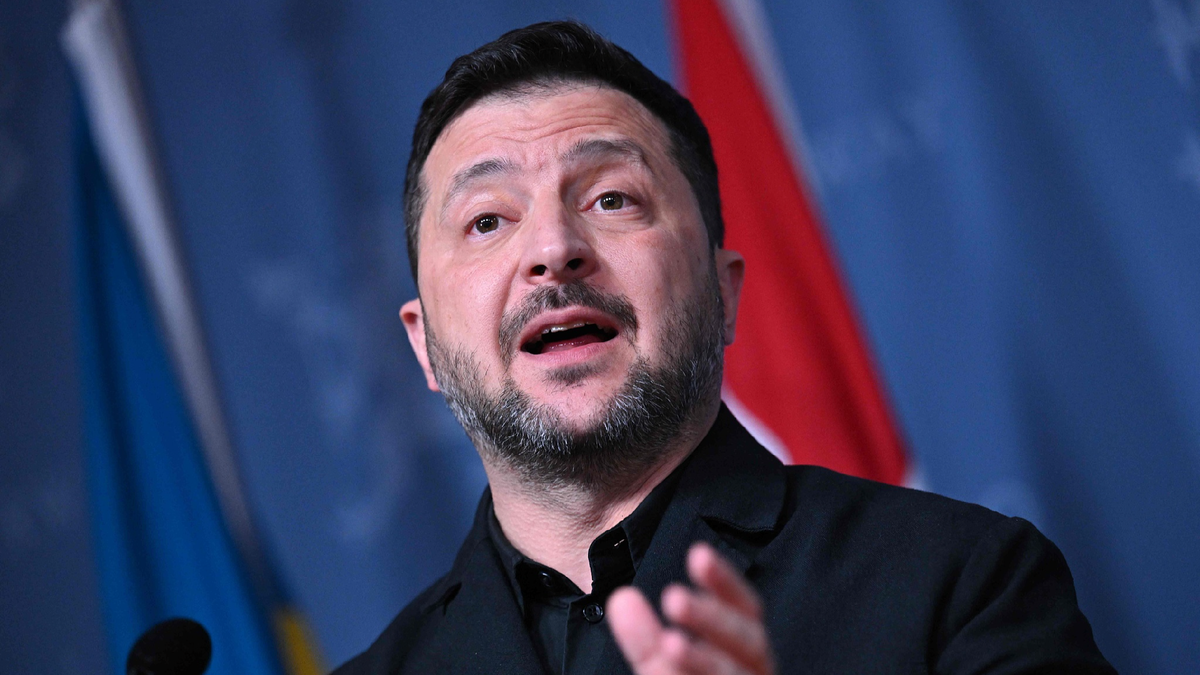
Ukrainian President Volodymyr Zelenskyy recently stated in an interview with Fox News from Oslo, Norway, that he is open to freezing the front lines of the ongoing conflict with Russia as a potential path toward a ceasefire. This proposal suggests Ukraine would accept a peace deal that retains 75% or more of its internationally recognized territory. Zelenskyy also expressed optimism regarding ongoing diplomatic efforts, including a meeting between US envoy Steve Witkoff and Russian officials, and called for direct talks involving Kyiv, Washington, and Moscow.
Zelenskyy's public pivot from a maximalist stance – demanding the full liberation of all Ukrainian territory, including Crimea and the Donbas regions occupied since 2014 – to accepting a frozen front line represents a significant recalibration of Kyiv's strategic objectives. This shift is not born of sudden generosity but from a complex interplay of military realities, external pressures, and domestic considerations.
The military situation on the ground has been a primary driver. Ukraine's much-anticipated counteroffensive, launched with substantial Western support, largely stalled, failing to achieve decisive breakthroughs. This has led to a grinding war of attrition, characterized by immense human and material costs on both sides. Faced with entrenched Russian defenses and a slow pace of territorial gains, the calculus shifts from outright victory to mitigating further losses and preserving what remains.
Western allies, particularly the United States and European Union nations, are experiencing growing war fatigue. Domestic political cycles, economic strains exacerbated by energy crises and inflation, and competing global priorities are making sustained, high-level military and financial aid to Ukraine increasingly challenging. With an upcoming US election cycle, the prospect of a prolonged, costly conflict becomes a liability for incumbent administrations. The unspoken pressure on Kyiv to demonstrate a credible path to de-escalation is immense, as continued aid is implicitly tied to a perceived willingness to engage in diplomacy, even if it means painful concessions.
For Russia, a frozen conflict offers significant advantages. It allows Moscow to consolidate its de facto control over occupied territories, effectively legitimizing its gains without the need for a formal peace treaty or international recognition. This strategy has been successfully employed by Russia in other post-Soviet conflicts, such as those in Transnistria, Abkhazia, and South Ossetia, creating protracted
**President Zelenskyy** has stated he is open to freezing the current front lines as a path to a ceasefire, provided **Ukraine** retains at least 75% of its territory. This represents a significant shift from previous demands for full territorial liberation.
Freezing the front lines would effectively establish a de facto border based on current military control, without a formal peace treaty. This could lead to a protracted 'frozen conflict' similar to other post-Soviet disputes, leaving territorial disputes unresolved.
This proposal could open new avenues for diplomacy, potentially involving **US envoy Steve Witkoff** and direct talks between **Kyiv, Washington, and Moscow**. It signals a willingness from **Ukraine** to engage in negotiations that might have been previously considered off-limits.
Editor's Note: The analysis relies on interpreting the significance of Zelenskyy's statement within the broader context of the conflict and international relations. The specific future actions of involved parties remain uncertain.
Source referenced: CGTN
This brief was synthesized by our Editorial Engine and reviewed by The Ground Narrative team.