TRENDING

Thursday, 22 October 2026
----------------------
11 Jumada Al-Awwal 1448 AH
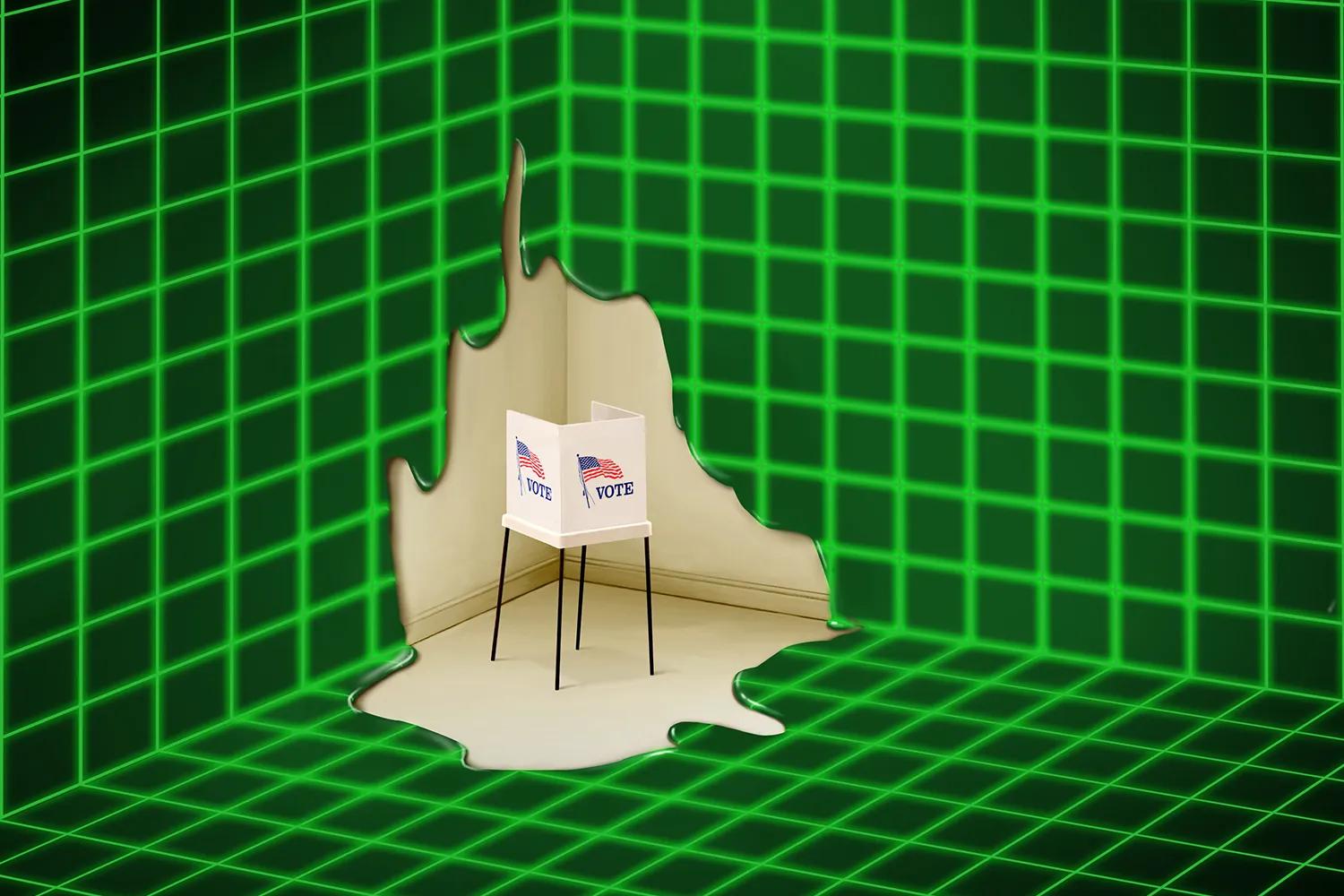
Brazil stands at a critical juncture, with its upcoming presidential runoff election poised to determine the nation's strategic autonomy. The outcome could open the door to unprecedented US military activity within its borders, driven by a broader US 'war on narco-terrorism' across Latin America.

Brazil is on the cusp of a pivotal presidential runoff election on October 25, 2026, where far-right Senator Flávio Bolsonaro is favored to defeat incumbent left-wing President Luiz Inácio Lula da Silva. Bolsonaro's campaign, which had been faltering due to a major corruption scandal involving $27 million, received a significant boost from the United States. Following an unannounced Oval Office meeting with US President Donald Trump, the Trump administration designated several Brazilian criminal organizations as Foreign Terrorist Organizations (FTOs) – a move that allowed Bolsonaro to pivot his narrative from corruption to national security. This intervention is part of a larger US strategy, spearheaded by President Trump, to expand its military operations across Latin America under the guise of combating "narco-terrorism," potentially drawing Brazil into a foreign-led conflict on its own territory.
The current situation in Brazil is a stark illustration of how external power, particularly that of the United States, can directly influence internal political dynamics and sovereignty. The Trump administration's actions demonstrate a calculated use of diplomatic and military tools to achieve specific geopolitical objectives, often at the expense of national autonomy in the region.
At the core of the US strategy is the redefinition of drug-trafficking organizations as Foreign Terrorist Organizations. Historically, FTO designations were reserved for groups with clear political or ideological agendas. By applying this label to criminal gangs, the Trump administration, particularly Secretary of State Marco Rubio, has effectively transformed a law enforcement issue into a national security threat, justifying military intervention. This doctrinal shift, first announced by President Trump in January 2023 as a commitment to "take down the cartels just as we took down ISIS," serves as a powerful legal and rhetorical pretext for expanding US military presence and operations across the Western Hemisphere. It bypasses traditional legal frameworks for drug interdiction, allowing for lethal force without due process or clear evidence.
Flávio Bolsonaro's near-collapse in the polls due to a corruption scandal presented a vulnerability that the Trump administration exploited. The unannounced Oval Office meeting and the subsequent FTO designations provided Bolsonaro with a much-needed narrative shift, allowing him to project strength and competence on national security. This exchange highlights a transactional relationship: Bolsonaro gains political capital and a distraction from corruption, while the US secures a potential ally willing to concede sovereignty. His explicit invitation to US Defense Secretary Pete Hegseth to help fight "terrorist organizations" in Brazil and his pledge to join the "Shield of the Americas" underscore his willingness to integrate Brazil into a US-led security architecture, fundamentally altering Brazil's long-standing aspiration for strategic autonomy.
The "Shield of the Americas" is a new US-driven alliance designed to formalize and legitimize expanded military operations in Latin America. Composed primarily of right-wing governments allied with the Trump administration, this alliance seeks to invoke the 1947 Rio Treaty, a Cold War-era mutual defense pact. By framing criminal organizations as threats requiring collective action, the US aims to create a multilateral veneer for what are essentially unilateral military interventions. This mechanism allows the US to exert significant influence over the security policies of member states, effectively making them subordinate to Washington's regional military campaign. For Brazil, joining this alliance under Flávio Bolsonaro would mean abandoning decades of independent foreign policy and opening its borders to foreign military activity, a significant concession of sovereign power.
The consequences of these power dynamics are borne primarily by ordinary citizens, whose lives are directly impacted by the erosion of national sovereignty and the expansion of militarized approaches to complex social issues.
Since September 2025, "Operation Southern Spear" has seen US military vessels engage in lethal strikes against dozens of boats in the Caribbean, Central America, and the eastern Pacific. At least 239 people have been killed without arrest, trial, or public presentation of evidence that they were carrying drugs. The identities of most of these individuals remain unknown, even to the US military. These are not just statistics; they are human lives extinguished by a policy that prioritizes military action over due process, leaving families without answers and communities without recourse. The lack of transparency surrounding these deaths is a profound human cost, reducing individuals to anonymous targets in a broader geopolitical game.
The January 3 US military attack on Venezuela, which resulted in an estimated 75 deaths and the abduction of President Nicolás Maduro, serves as a chilling preview of what could await Brazil. This unprecedented act of aggression in South America, linked to an FTO designation despite a lack of real evidence, demonstrates the Trump administration's willingness to use lethal force against sovereign nations. If Flávio Bolsonaro wins and invites US military intervention, Brazilian citizens could face similar scenarios. The potential for foreign military operations on Brazilian soil, particularly in densely populated areas or sensitive regions like the Amazon, carries an immense risk of civilian casualties, displacement, and widespread instability.
Ecuador offers another disturbing glimpse into the human cost of embracing a US-backed militarized security strategy. Under President Daniel Noboa, Ecuador has intensified its security operations with deeper US support, yet the country has seen an ever-growing wave of violence. More critically, Ecuadorian forces involved in these operations have been implicated in serious human rights allegations, including enforced disappearances, extrajudicial killings, and torture. This suggests that a focus on military solutions, particularly when driven by external actors, can exacerbate rather than alleviate insecurity, leading to a breakdown of civil liberties and an increase in state-sponsored violence against its own population. For Brazilians, this raises the specter of their own security forces adopting similar tactics, further eroding trust in institutions and endangering fundamental rights.
Powerful actors, both within the US and Brazil, are actively downplaying or omitting critical aspects of this unfolding situation. Their narratives serve to legitimize actions that have deeper, often self-serving, motivations.
The Trump administration's stated rationale for its "war on narco-terrorism" is to combat the fentanyl epidemic in the United States. However, the raw intelligence reveals that fentanyl overwhelmingly enters the US by land from Mexico, not via the maritime routes targeted by "Operation Southern Spear." Furthermore, US Drug Enforcement Administration assessments indicate that these operations have not significantly disrupted the cocaine trade, as traffickers have simply adapted their routes. This glaring disconnect between stated goals and actual impact suggests that the "narco-terrorism" narrative is largely a pretext. The true, unspoken objective appears to be the expansion of US military influence and control across Latin America, transforming a law enforcement problem into a strategic military opportunity.
The timing of the FTO designations for Brazilian gangs is highly suspect. They were announced immediately after Flávio Bolsonaro's meeting with President Trump, precisely when Bolsonaro's campaign was reeling from a corruption scandal. This suggests that the designation was not primarily based on an objective security assessment of the Brazilian gangs' threat level, but rather a politically motivated intervention designed to rescue Bolsonaro's candidacy. By shifting the public conversation from corruption to national security, the Trump administration effectively provided political cover for a favored ally, while simultaneously advancing its broader regional agenda. The severe implications of an FTO designation—opening the door to foreign military action—were downplayed in favor of immediate political gain.
Official statements from the Trump administration frame its actions as necessary measures to protect US national security and assist regional partners. What is omitted is the profound challenge these actions pose to the sovereignty of Latin American nations and to established international law. Unilateral military strikes in international waters and the abduction of a head of state, as seen in Venezuela, bypass the authority of the United Nations, violate national borders, and disregard the principle of non-intervention. Even within the US, these actions have generated concern in Congress, which holds the sole authority to send the military into hostilities. The "Shield of the Americas" and the invocation of the Rio Treaty are attempts to retroactively legitimize these unilateral actions and create a framework for future interventions, effectively institutionalizing a disregard for national sovereignty under the guise of collective security.
As Brazil approaches its critical election, several key developments will indicate the trajectory of power dynamics in Latin America and the potential human cost.
First and foremost, the outcome of Brazil's October 25 presidential runoff election is paramount. A victory for Flávio Bolsonaro would almost certainly lead to Brazil's accession to the "Shield of the Americas" alliance and a significant shift in its foreign policy, potentially inviting US military presence and operations on Brazilian soil. Conversely, a win for Luiz Inácio Lula da Silva would likely see Brazil continue its resistance to such external pressures, upholding its traditional stance of strategic autonomy and independent foreign policy.
Beyond the election, observers should closely monitor the expansion and nature of "Operation Southern Spear." Will the US continue its lethal strikes in international waters, or will it begin to seek consent from allied nations for operations within their sovereign territories? The invocation of the 1947 Rio Treaty by the "Shield of the Americas" alliance will be a critical indicator. How this Cold War-era pact is reinterpreted and utilized to justify intervention against non-state criminal organizations will set a precedent for future regional security architecture.
Finally, the human rights situation in Latin American countries that have adopted US-backed militarized security strategies, particularly Ecuador, warrants close attention. Any increase in reports of enforced disappearances, extrajudicial killings, or torture could signal the broader human cost of prioritizing military solutions over comprehensive law enforcement and social development. Additionally, watch for any pushback from the US Congress regarding the executive branch's expanded military actions and the erosion of its constitutional authority over declarations of war. The silence or complicity of legislative bodies will further empower unilateral military interventions across the hemisphere.
The 'Shield of the Americas' is a new US-driven alliance aiming to formalize and legitimize expanded military operations in Latin America. It seeks to invoke the 1947 Rio Treaty to facilitate collective action against non-state criminal organizations, potentially opening the door to foreign intervention in member countries.
If Flávio Bolsonaro wins, he has pledged to join the 'Shield of the Americas' and has openly invited US military assistance. This could lead to US military operations on Brazilian soil, eroding Brazil's long-standing strategic autonomy and potentially drawing it into foreign-led conflicts.
The 'war on narco-terrorism' is a US initiative to designate drug-trafficking organizations as Foreign Terrorist Organizations, justifying military actions like 'Operation Southern Spear.' Despite claims of combating fentanyl, these operations have been ineffective against drug flows and have resulted in numerous uninvestigated deaths, suggesting a broader aim of expanding US military influence.
Source referenced: FOREIGNPOLICY
This brief was synthesized by our Editorial Engine and reviewed by The Ground Narrative team.