TRENDING

Saturday, 3 October 2026
----------------------
22 Rabi' Al-Thani 1448 AH
South African police deployed nationwide to prevent unrest as an unofficial deadline for undocumented foreign nationals to leave sparked mass repatriations and renewed concerns over xenophobic violence. The crisis highlights deep-seated socio-economic challenges and their regional implications.
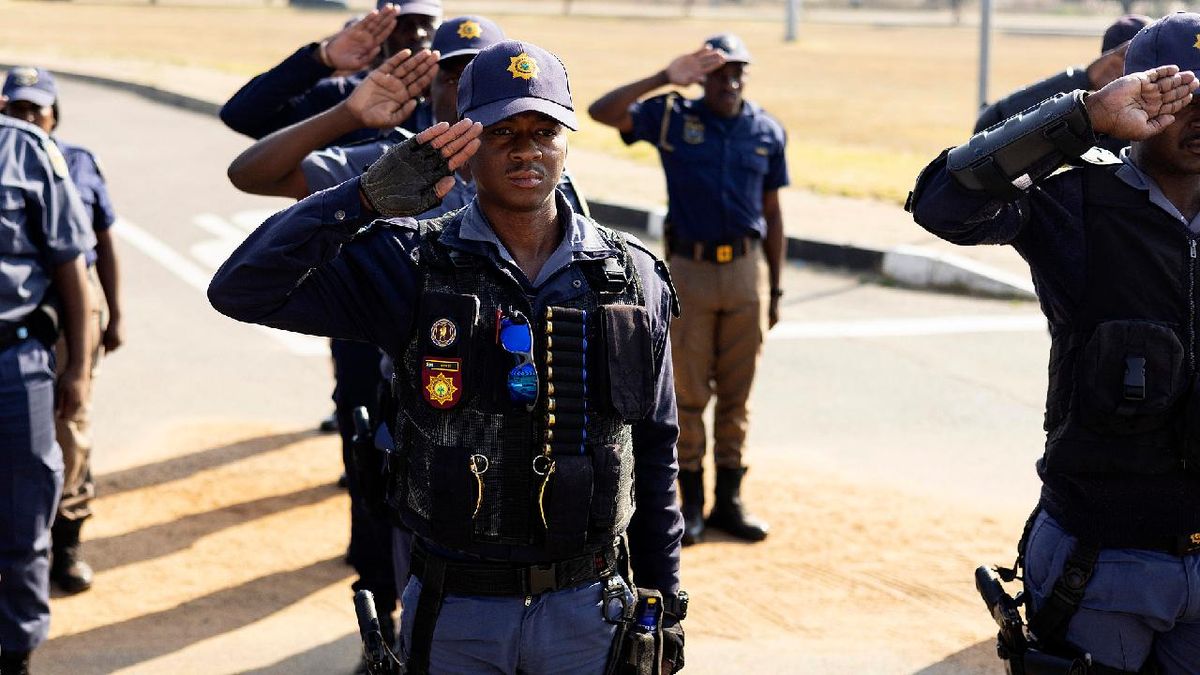
South Africa recently faced a critical juncture as police forces were deployed across the nation to preempt potential unrest following an unofficial June 30, 2026, deadline for undocumented foreign nationals to depart the country. This deadline, unilaterally set by citizen-led anti-illegal immigration groups such as March and March, led to a significant security operation aimed at preventing a repeat of past deadly xenophobic violence and widespread looting. The deployment, which included members of the South African Police Services (SAPS), was particularly concentrated in urban centers like Johannesburg and Cape Town, where thousands of foreign nationals had gathered, seeking assistance to return to their home countries.
The immediate catalyst for the heightened alert was the escalating rhetoric from groups like March and March, whose leader, Jacinta Ngobese-Zuma, called for "rolling mass action" until all undocumented migrants are deported. While Ngobese-Zuma publicly disavowed violence, the historical context of xenophobic attacks in South Africa, including riots in 2008 that killed 62 people and the July 2021 unrest that claimed around 350 lives, underscored the government's grave concerns. The 2021 unrest, initially sparked by the jailing of former President Jacob Zuma, quickly devolved into widespread looting and violence, demonstrating the fragility of social order when grievances are exploited.
At the heart of the anti-migrant sentiment lies South Africa's profound socio-economic challenges. Despite being one of Africa's wealthiest nations, the country grapples with an unemployment rate exceeding 30%, high crime rates, and significant breakdowns in public services across many areas. These conditions create a fertile ground for resentment, with citizen groups frequently accusing foreign nationals of exacerbating these problems by taking jobs, committing crimes, and straining already stretched public resources. This narrative, while often lacking comprehensive empirical support, resonates deeply with a populace facing economic hardship.
South Africa has historically been a magnet for migrant labor from across the continent, drawing individuals seeking better economic opportunities. However, the current economic climate has intensified competition for scarce resources and jobs, fueling a perception among some South Africans that foreign nationals are direct competitors rather than contributors. President Cyril Ramaphosa's administration has acknowledged the issue, announcing stepped-up government plans to combat illegal immigration and appealing to traditional leaders to help "calm tensions," indicating a recognition of both the security and social dimensions of the crisis.
The most significant geopolitical consequence of the recent tensions has been the unprecedented scale of repatriations. In the weeks leading up to the June 30 deadline, approximately 25,000 foreign nationals were repatriated, according to South Africa's Border Management Authority. This included around 15,000 Malawians, with thousands more from Ghana, Mozambique, Nigeria, Zimbabwe, and Uganda also departing. Several African governments, including Uganda, actively organized flights and buses to evacuate their citizens, a clear indication of the severity of the situation and the perceived threat to their nationals.
This mass exodus and the organized repatriation efforts highlight a significant strain on regional diplomatic relations. South Africa's role as a regional economic powerhouse and a destination for migrants from neighboring countries means that internal stability and social cohesion have direct implications for the broader Southern African Development Community (SADC) region. The forced departure of thousands of individuals, some of whom have lived and worked in South Africa for years, creates humanitarian challenges and places additional burdens on their home countries, which must now reintegrate these returning citizens into their own economies and societies.
Furthermore, the violence against foreign nationals, which has tragically claimed the lives of at least four individuals (two Mozambicans, one Ethiopian, and one Malawian) in recent weeks, underscores a failure in regional integration and the protection of human rights within the continent. While South Africa's government has condemned the violence and deployed security forces, the underlying issues of xenophobia and economic grievance remain potent and unresolved, posing a long-term challenge to the country's social fabric and its standing as a leader in Africa.
The events surrounding the June 30 deadline represent a critical moment for South Africa, forcing it to confront the complex interplay of migration, economic inequality, and social cohesion. The government's response, balancing security concerns with diplomatic responsibilities, will be crucial in shaping future outcomes. While the immediate threat of widespread unrest may have been mitigated by police deployment and repatriations, the root causes of xenophobia – high unemployment, poverty, and a perceived strain on resources – persist. Addressing these systemic issues, alongside fostering greater social integration and combating anti-migrant narratives, will be essential for South Africa to prevent future flare-ups and maintain its regional stability and international reputation. The crisis serves as a stark reminder of how domestic socio-economic pressures can quickly escalate into regional geopolitical concerns, impacting human lives and diplomatic ties across a continent. The challenge for South Africa, and indeed for the broader African community, is to develop sustainable strategies for managing migration that uphold human dignity while addressing the legitimate concerns of host communities.
Source referenced: CGTN
This brief was synthesized by our Editorial Engine and reviewed by The Ground Narrative team.