TRENDING

Friday, 2 October 2026
----------------------
21 Rabi' Al-Thani 1448 AH
Russia's deadly attack on Ukraine's Kyiv region on the eve of the NATO summit underscores the escalating conflict and Moscow's determination to disrupt Western unity.
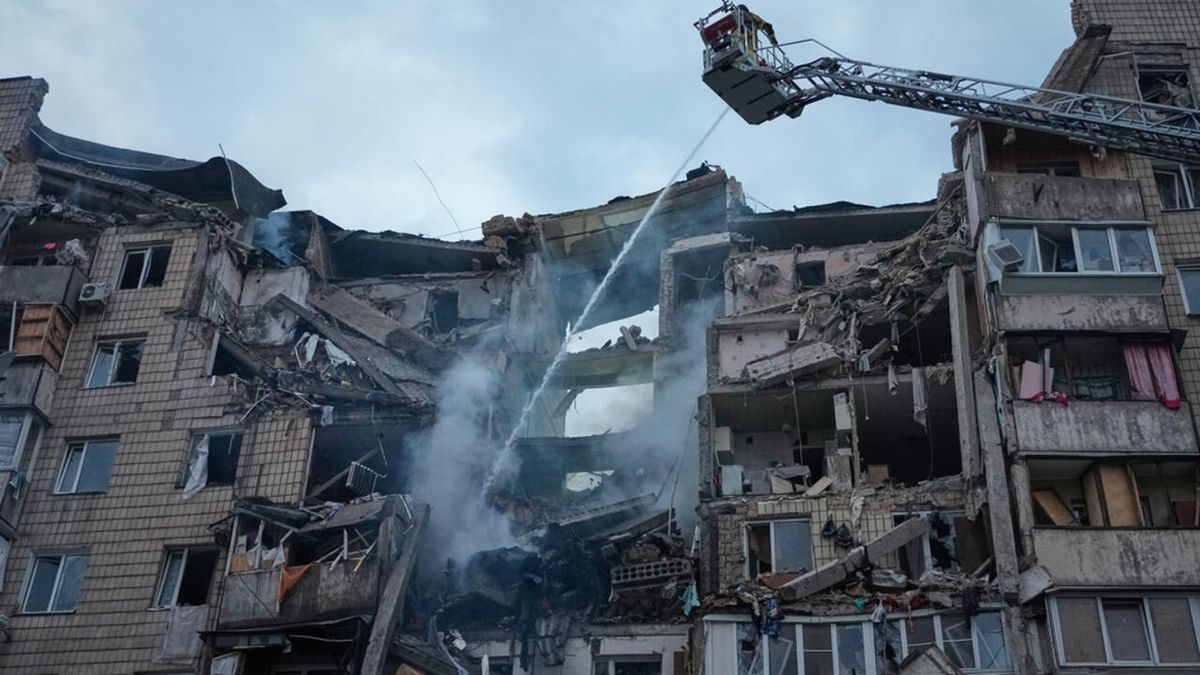
The recent barrage of ballistic missiles on Ukraine's Kyiv region by Russia marks a significant escalation in the ongoing conflict. The attack, which killed at least 10 people and wounded dozens, occurred on the eve of the NATO summit in Turkey, where US President Donald Trump is set to meet with Ukrainian President Volodymyr Zelenskyy and Syrian President Ahmad al-Sharaa.
Russia's actions are a calculated move to disrupt Western unity and undermine the NATO alliance. By launching a deadly attack on the eve of the summit, Moscow aims to draw attention away from the stalled peace efforts and create an atmosphere of tension and uncertainty. This move is likely a response to the growing international pressure on Russia to end its aggression in Ukraine.
Russia's strategic motivations behind the attack are multifaceted. Firstly, Moscow seeks to demonstrate its military capabilities and deter any potential Western intervention in Ukraine. Secondly, the attack aims to create a sense of insecurity among the Ukrainian population and undermine their morale. Finally, Russia may be attempting to influence the outcome of the NATO summit and shape the alliance's policies towards Ukraine.
The conflict between Russia and Ukraine has been ongoing for over four years, with both sides engaging in a series of military and diplomatic escalations. The recent attack on Kyiv marks a significant escalation in the conflict, highlighting the growing reach and intensity of the war.
The attack on Kyiv has significant regional implications, particularly for the NATO alliance. The incident underscores the need for increased cooperation and coordination among member states to address the growing security challenges in Eastern Europe. Furthermore, the attack highlights the importance of maintaining a strong and united front against Russian aggression.
The future consequences of the attack on Kyiv are uncertain, but several scenarios are possible. Firstly, the incident may lead to a further escalation of the conflict, with both sides engaging in a series of military and diplomatic countermeasures. Secondly, the attack may prompt a renewed push for peace efforts, with the international community coming together to address the conflict. Finally, the incident may have a lasting impact on the NATO alliance, potentially leading to a reevaluation of its policies and strategies towards Russia.
* Russia: The primary actor behind the attack on Kyiv.
* Ukraine: The target of the attack and a key player in the conflict.
* NATO: The alliance that is being tested by Russia's actions.
* US: The country that is playing a key role in mediating the conflict and shaping the NATO alliance's policies.
* The attack on Kyiv: A series of ballistic missile strikes that killed at least 10 people and wounded dozens.
* The NATO summit: A meeting of NATO leaders that is taking place in Turkey.
* The stalled peace efforts: A series of diplomatic initiatives that have failed to bring an end to the conflict.
* The attack on Kyiv: Occurred on the eve of the NATO summit.
* The NATO summit: Taking place in Turkey.
* Kyiv: The target of the attack and the capital of Ukraine.
* Turkey: The location of the NATO summit.
* Russia's desire to disrupt Western unity and undermine the NATO alliance.
* The need to demonstrate military capabilities and deter Western intervention.
* The aim to create a sense of insecurity among the Ukrainian population.
* The use of ballistic missiles to attack Kyiv.
* The involvement of multiple actors, including Russia, Ukraine, and NATO.
* The potential for further escalation and conflict.
The attack on Kyiv marks a significant escalation in the conflict between Russia and Ukraine. The incident highlights the growing reach and intensity of the war and underscores the need for increased cooperation and coordination among member states to address the security challenges in Eastern Europe. As the NATO summit takes place in Turkey, the international community must come together to address the conflict and find a lasting solution to the crisis.
Editor's Note: The analysis is based on publicly available information and may not reflect the full range of motivations and intentions behind Russia's actions.
Source referenced: FRANCE24
This brief was synthesized by our Editorial Engine and reviewed by The Ground Narrative team.

