TRENDING

Tuesday, 6 October 2026
----------------------
25 Rabi' Al-Thani 1448 AH
Crude barrels are moving again through the Strait of Hormuz, but refined fuels remain scarce. The gap leaves drivers and farmers worldwide paying more at the pump.
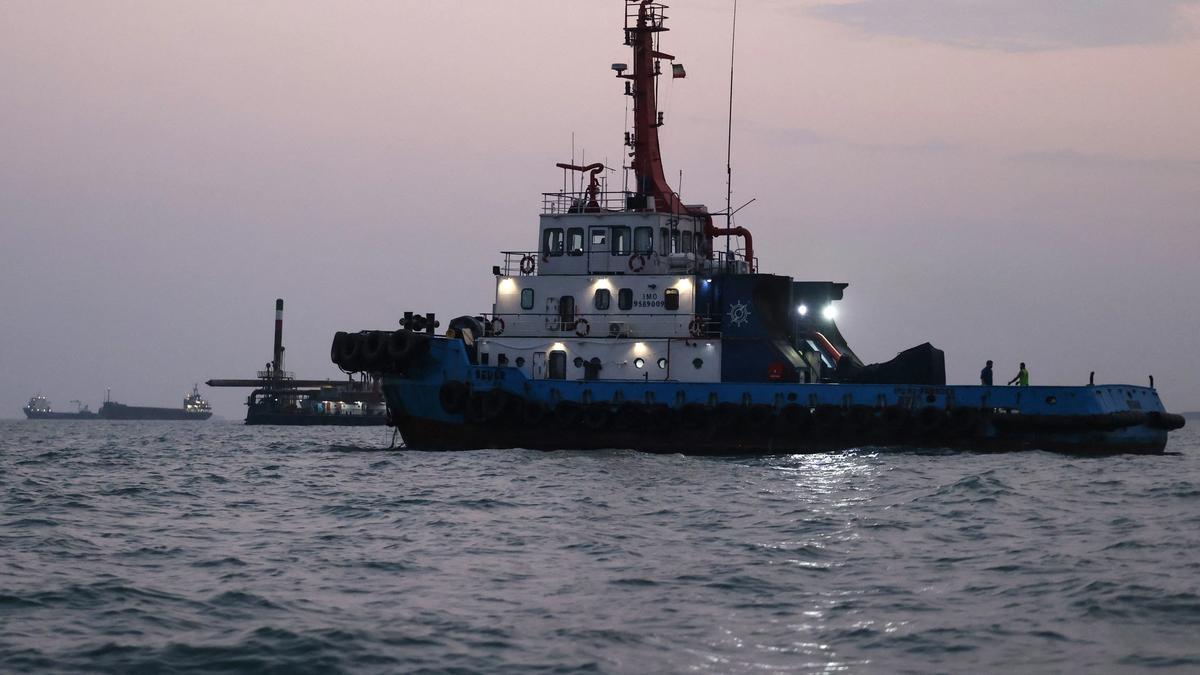
In the past week, crude oil shipments through the Strait of Hormuz have surged to near‑prewar levels, reaching roughly 13.5 million barrels per day. At the same time, refined products—especially gasoline and diesel—remain far below historic flows, creating a persistent gap in global fuel supplies.
The resurgence of crude exports is not a spontaneous market correction; it is the product of layered state actions and commercial calculations. After months of U.S. naval escorts and a distant blockade of Iranian tankers, U.S. Navy vessels have cleared a corridor that allows super‑tankers to exit the Persian Gulf under heavy protection. This security umbrella is costly, with daily escort fees and a fleet of destroyers that must remain on station for the foreseeable future.
Saudi Arabia has turned the crisis into a revenue windfall. By diverting crude to the Red Sea and expanding its own export volumes, the kingdom is now shipping more than 6.4 million barrels a day—exceeding its 2025 targets. The extra cash bolsters Riyadh’s fiscal buffers and funds its regional influence projects, from construction contracts in Sudan to arms sales in Yemen.
Meanwhile, China has imposed export bans on refined fuels, citing domestic shortages. By hoarding gasoline and diesel, Beijing protects its own consumers but also tightens global supply, keeping prices high and reinforcing its leverage over oil‑importing nations.
The tanker market itself has become a new arena of power. With freight rates soaring to $1 million per day, ship owners can command premium fees for each voyage. This inflates the cost of moving refined products, further widening the gap between crude availability and end‑user fuel.
Finally, the U.S. administration under President Trump is using the narrative of a “successful blockade” to claim victory, even as the underlying economics tell a different story. By framing the situation as a win, the administration hopes to shore up domestic political support ahead of the midterm elections.
The Iranian economy is hemorrhaging. With Iranian oil exports throttled to near‑zero, the government struggles to import essential goods, from food to medical supplies. The national currency has depreciated sharply, eroding real wages and pushing more families into poverty.
Farmers in the Midwest, truck drivers on the U.S. interstate system, and logistics firms across Europe are feeling the pinch. Diesel prices have hit near‑record highs, squeezing profit margins and forcing some small businesses to curtail operations or lay off workers.
The intensified escort regime means longer voyages and higher exposure to conflict zones for merchant mariners. Crew fatigue, safety risks from potential missile strikes, and the psychological toll of operating under constant military oversight are mounting concerns.
Construction and service workers in Saudi ports and the newly active Red Sea terminals are experiencing a boom, but the rapid pace also brings safety shortcuts and inflated wages that may not be sustainable once the market stabilizes.
Official statements celebrate the “return of oil” as a triumph, yet they downplay the fact that refined product shortages—where the real consumer pain lies—remain unaddressed. By focusing on crude volumes, the administration sidesteps the policy failure of not securing refinery capacity or diversifying supply chains.
Riyadh’s surge in exports is presented as a regional stabilizer, but the kingdom is quietly capitalizing on higher oil prices to fund its Vision 2030 projects and expand its geopolitical reach. The narrative of a benevolent oil donor masks a strategic effort to out‑spend rivals and cement influence.
Beijing frames its refined‑fuel restrictions as a domestic necessity, yet it also uses the scarcity to negotiate better terms with oil‑producing nations and to pressure Western economies into accepting a more China‑centric energy order.
Iran’s leadership is portrayed as a passive victim of sanctions, but the loss of export revenue is pushing Tehran toward asymmetric tactics—such as targeting regional pipelines or shipping hubs—to regain bargaining power.
- U.S. election calculus: As midterms approach, watch for any shift in the administration’s rhetoric on diesel bans or renewed strikes against Iran.
- Iranian retaliation: Any escalation against tanker routes or Gulf infrastructure could snap the fragile crude flow and reignite a full‑scale oil shock.
- Chinese policy tweaks: A relaxation of refined‑fuel export bans would immediately ease diesel prices, while a tightening would deepen the shortage.
- Tanker market dynamics: If freight rates begin to fall, it could signal a de‑escalation of naval escort costs and a return to more normal shipping patterns.
- Saudi diversification: Monitor whether Riyadh uses its windfall to invest in downstream capacity, which could alter the crude‑refinery imbalance over the longer term.
Staying alert to these variables will help ordinary citizens understand why the price they see at the pump is less about oil flowing out of Hormuz and more about the strategic games being played far beyond the refinery gate.
Refined fuels are bottlenecked by Chinese export bans, limited refinery capacity, and high shipping costs, so the surge in crude does not translate into more gasoline or diesel at the pump.
An Iranian attack on tanker routes or Gulf infrastructure, or a decision by the U.S. to lift naval escorts, could quickly halt the fragile recovery of crude flows.
Source referenced: FOREIGNPOLICY
This brief was synthesized by our Editorial Engine and reviewed by The Ground Narrative team.