TRENDING

Tuesday, 6 October 2026
----------------------
25 Rabi' Al-Thani 1448 AH
Brazil’s top prosecutor has demanded an investigation into alleged American money funneled to right‑wing actors. The move spotlights a clash between domestic sovereignty and external political influence.
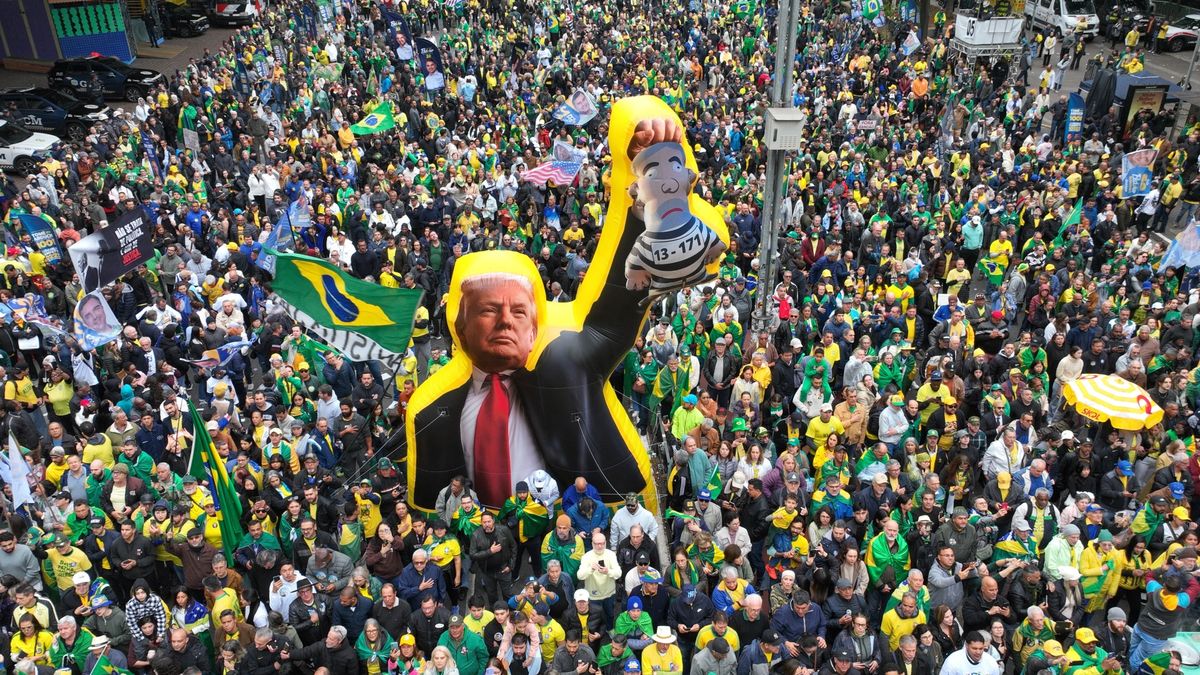
Brazil’s attorney general, Jorge Messias, announced on October 1 that law‑enforcement agencies should investigate claims that the United States is channeling cash to far‑right groups in Brazil. The call follows a Guardian report alleging that the Trump administration planned to divert $1 million from the State Department’s human‑rights budget to organizations opposing the Brazilian Supreme Court and supporting right‑wing candidates. The revelation arrives as the country heads toward a tightly contested presidential election, with incumbent leftist Luiz Inacio Lula da Silva and right‑wing challenger Flavio Bolsonaro locked in a virtual tie.
The alleged scheme hinges on a modest but symbolically potent reallocation of U.S. aid. By moving money from a human‑rights pool—traditionally earmarked for civil‑society projects—into partisan networks, the U.S. could sidestep congressional oversight while still operating under the umbrella of foreign assistance. The $1 million figure, though small compared with the overall State Department budget, is amplified by the perception that Washington is willing to weaponize aid for ideological ends.
For Donald Trump, supporting Brazil’s far‑right serves a dual purpose. First, it reinforces his broader strategy of cultivating a “global right‑wing coalition” that can counter liberal democratic norms. Second, it offers a bargaining chip in trade negotiations; the 2025 tariffs on Brazilian soy and beef were lifted only after Trump publicly condemned the conviction of Jair Bolsonaro. By linking economic relief to political alignment, the administration creates a feedback loop where Brazilian politicians who echo U.S. narratives gain material benefits, while dissenting officials face diplomatic pressure.
The Brazilian Supreme Court has become a flashpoint. Since the 2025 conviction of Jair Bolsonaro for an alleged coup plot, right‑wing actors have framed the judiciary as an instrument of “lawfare” and “censorship.” The reported U.S. funding aims to amplify that narrative, funding media campaigns, legal defense funds, and grassroots rallies that portray the court as a foreign‑installed obstacle to national sovereignty. By destabilizing confidence in the judiciary, external actors indirectly weaken the checks on executive power, making it easier for a right‑wing administration to reshape institutions.
The most immediate victims are ordinary Brazilians whose daily lives are shaped by the election outcome. In the agrarian Northeast, where Lula’s social programs have lifted millions out of poverty, a swing toward the far‑right could reverse subsidies, cut health spending, and jeopardize land‑reform initiatives. The promise of U.S.‑backed economic incentives may lure voters with short‑term gains, but the long‑term fiscal strain could deepen inequality.
Brazilian judges, prosecutors, and human‑rights NGOs have already faced visa revocations and short‑lived sanctions from the Trump administration. Such actions create a climate of intimidation, discouraging independent legal scrutiny and silencing dissenting voices. When foreign powers target individuals, the cost is not merely personal inconvenience; it erodes the rule of law and hampers the ability of civil society to hold governments accountable.
Funding for far‑right media outlets translates into more aggressive misinformation campaigns. Journalists covering the election risk harassment, legal threats, and digital attacks funded indirectly by foreign money. Protesters who organize under the banner of defending democracy may find themselves outgunned in the information arena, facing well‑financed counter‑narratives that paint them as foreign‑instigated agitators.
Official U.S. statements have framed any assistance as “support for democratic pluralism,” yet the timing and destination of the funds suggest a more targeted agenda. By couching the money as a human‑rights grant, Washington can deflect criticism while quietly bolstering allies who share its anti‑leftist stance. The omission of any reference to Brazil’s sovereign electoral process in diplomatic briefings hints at a deliberate downplaying of interference.
American agribusiness firms have a stake in Brazil’s trade policies. The temporary tariffs imposed in 2025 sent a clear signal that market access can be weaponized. By supporting a candidate who promises closer U.S. ties, these corporations stand to secure more favorable export terms for soy, beef, and iron ore. The funding leak does not mention these commercial incentives, allowing the narrative to focus solely on ideological motives while masking profit‑driven calculations.
Latin America has witnessed a wave of right‑wing endorsements from Washington, from Mexico to Colombia. The Brazil case is part of a broader pattern where the U.S. leverages financial levers to shape electoral outcomes across the continent. Yet regional leaders rarely acknowledge this coordinated approach, preferring to attribute right‑wing victories to domestic factors. The silence obscures the systemic nature of external meddling, making it harder for citizens to connect isolated incidents into a coherent picture of foreign influence.
In the weeks ahead, three developments will indicate whether the probe gains traction or stalls. First, the Brazilian Federal Police’s decision to open a formal investigation will signal the state’s willingness to confront foreign interference. Second, any diplomatic response from the United States, whether a denial, a clarification, or a recall of officials, will reveal how far Washington is prepared to push back against scrutiny. Third, the electoral results on October 4 will test whether the alleged funding altered voter behavior; a narrow win for Flavio Bolsonaro could embolden similar tactics in neighboring countries, while a decisive victory for Lula might prompt a recalibration of U.S. covert outreach. Observers should track court filings, embassy statements, and the flow of campaign advertisements for clues about the evolving power play.
The Guardian reported that the Trump administration planned to divert $1 million from a human‑rights fund to right‑wing organizations opposing the Supreme Court. Brazilian officials cite internal documents and communications linking the money to specific activist networks.
Financial support can amplify campaign messaging, fund rallies, and influence media coverage, potentially swaying undecided voters. If the funding reaches key swing regions, it may tip the balance in a tightly contested race.
Editor's Note: Analysis based on publicly reported sources; some details of funding channels remain unverified.
Source referenced: ALJAZEERA
This brief was synthesized by our Editorial Engine and reviewed by The Ground Narrative team.