TRENDING

Saturday, 10 October 2026
----------------------
29 Rabi' Al-Thani 1448 AH
China has handed Kenya a $2 million cash grant to bolster Ebola readiness and drought relief. The aid arrives amid health scares and climate shocks, but it also tightens Beijing's influence in East Africa.
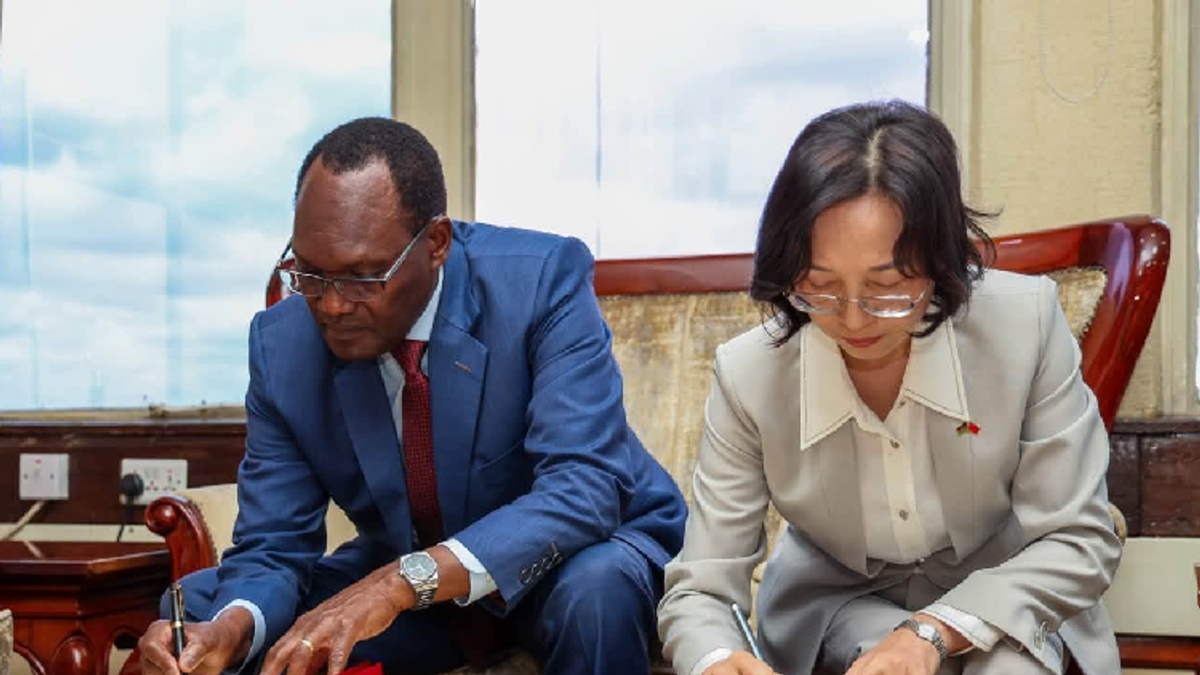
On October 8, 2026, the Kenyan Treasury and the Chinese Embassy signed a hand‑over ceremony for a $2 million cash grant from China. The money is split evenly: $1 million will fund Ebola virus disease preparedness in counties the health ministry labels very high‑risk or high‑risk, while the other $1 million is earmarked for drought‑relief activities in semi‑arid regions. The grant follows Kenya’s first imported Ebola case, a citizen who had lived in the Democratic Republic of the Congo for seven years and died while being treated in Nairobi. At the same time, the nation grapples with a prolonged drought that has already pushed millions toward food insecurity, and meteorologists warn that an El Niño‑driven rainy season could bring floods later this year.
Since the early 2000s, China has woven health assistance into its broader Africa strategy, presenting itself as a partner that fills gaps left by Western donors. By providing a cash grant rather than a loan, Beijing sidesteps the debt‑accumulation narrative that haunts its infrastructure projects. The grant also showcases the Chinese model of “no‑strings‑attached” aid, even though the reality often includes expectations of political goodwill, market access, or future procurement of Chinese medical equipment.
Kenya sits at the heart of East Africa’s transport corridors, linking the Indian Ocean to land‑locked neighbors. Its government, facing a budget shortfall exacerbated by climate shocks, sees Chinese cash as a quick fix to a looming health crisis and a worsening humanitarian emergency. The timing is crucial: Kenya is preparing for its 2027 general elections, and any visible response to Ebola and drought can bolster the incumbent coalition’s image of competence.
The grant arrives as the United States, the European Union, and Japan ramp up their own health‑security programs in the region, seeking to counter Beijing’s growing footprint. While Western donors often bundle aid with governance reforms, China emphasizes rapid delivery and tangible outcomes, a message that resonates with ministries under pressure to show immediate results. This dynamic creates an “aid race” where each power tries to lock in influence through sector‑specific generosity.
Behind the cash flow lies a subtle calculus: China hopes the grant will smooth the path for future contracts—whether in telecommunications, renewable‑energy projects, or the Belt and Road Initiative’s logistics hubs. For Kenya, accepting the grant does not preclude other partnerships, but it does signal a willingness to diversify its diplomatic portfolio, reducing reliance on any single donor bloc.
In Garissa, Mandera, and Wajir, clinics that previously struggled with basic supplies now receive rapid Ebola‑training kits, personal‑protective equipment, and funds to set up isolation wards. The grant’s impact is immediate: health workers report a heightened sense of safety, and community leaders note a decline in rumors that previously fueled resistance to medical interventions.
The drought‑relief half of the grant funds water trucking, temporary irrigation pumps, and seed distribution in Turkana, Samburu, and Marsabit. For families who have watched their livestock perish, these interventions mean the difference between migration to urban slums and staying on ancestral lands. Women, who traditionally manage household water, report fewer days spent walking for water, freeing time for school attendance and income‑generating activities.
While the cash infusion eases immediate pressures, it also masks longer‑term vulnerabilities. Small‑scale traders in Nairobi’s informal markets, who depend on steady supply chains, still face price spikes for food staples as regional harvests falter. Moreover, the fear of Ebola has led to reduced movement between counties, hurting cross‑border trade that many border communities rely on for their livelihoods.
Chinese officials publicly stress that the money is a grant, yet the accompanying memorandum of understanding includes clauses that prioritize Chinese‑made medical supplies for any future procurement. This subtle preference can steer Kenya’s health‑budget decisions toward Beijing‑based manufacturers, creating a de‑ facto market for Chinese products.
Although the $2 million does not add to Kenya’s sovereign debt, it arrives amid a broader portfolio of Chinese loans for ports, railways, and energy projects. Analysts note that each successful aid episode builds political capital that can be leveraged when the government later seeks financing for larger infrastructure works, potentially deepening debt exposure.
State‑run outlets in both countries highlight the humanitarian spirit of the grant, downplaying the strategic calculus. Western media, preoccupied with the Ebola case itself, rarely mention the concurrent diplomatic competition or the potential for Beijing to use health data gathered during surveillance activities to inform future security or commercial decisions.
Monitor how quickly the Ebola‑preparedness funds translate into functional isolation units, rapid‑response teams, and community‑engagement campaigns. Delays or misallocation could erode public trust and open space for rival donors to step in.
As the 2027 elections approach, watch for statements from Kenyan leaders linking the grant to broader foreign‑policy choices. A shift toward overtly pro‑Chinese rhetoric could signal a rebalancing of Kenya’s alliance matrix.
The El Niño season is expected to bring heavy rains and flooding. If the drought‑relief funds prove insufficient, Kenya may request additional assistance, potentially from the same Chinese channels, further entrenching Beijing’s role in crisis management.
The grant sits within a larger trend of non‑Western actors shaping disease‑surveillance networks in Africa. Future collaborations between China, the World Health Organization, and regional health bodies will reveal whether Beijing’s involvement expands beyond funding to influence protocol design and data ownership.
By tracking these threads, readers can see how a modest $2 million grant becomes a nexus of health, climate, and geopolitical maneuvering, with ordinary Kenyans bearing the brunt of both the aid’s benefits and its hidden costs.
China frames cash grants as humanitarian assistance that avoids adding to a country's debt burden, while still building political goodwill and opening doors for future contracts.
The funding will finance isolation wards, training, and protective equipment in high‑risk counties, improving rapid response capacity and reducing the risk of community transmission.
Yes, the accompanying agreement gives preference to Chinese medical supplies, which may steer Kenya’s procurement choices toward Beijing‑made equipment in the long term.
Editor's Note: Analysis based on publicly available statements and historical patterns of China‑Africa engagement.
Source referenced: CGTN
This brief was synthesized by our Editorial Engine and reviewed by The Ground Narrative team.


