TRENDING

Saturday, 10 October 2026
----------------------
29 Rabi' Al-Thani 1448 AH
The US Federal Aviation Administration is moving to drastically streamline regulations for commercial space launches, aiming for 1,000 annual operations by 2030. This push, driven by private giants like SpaceX, seeks to cement American dominance in a new economic frontier.
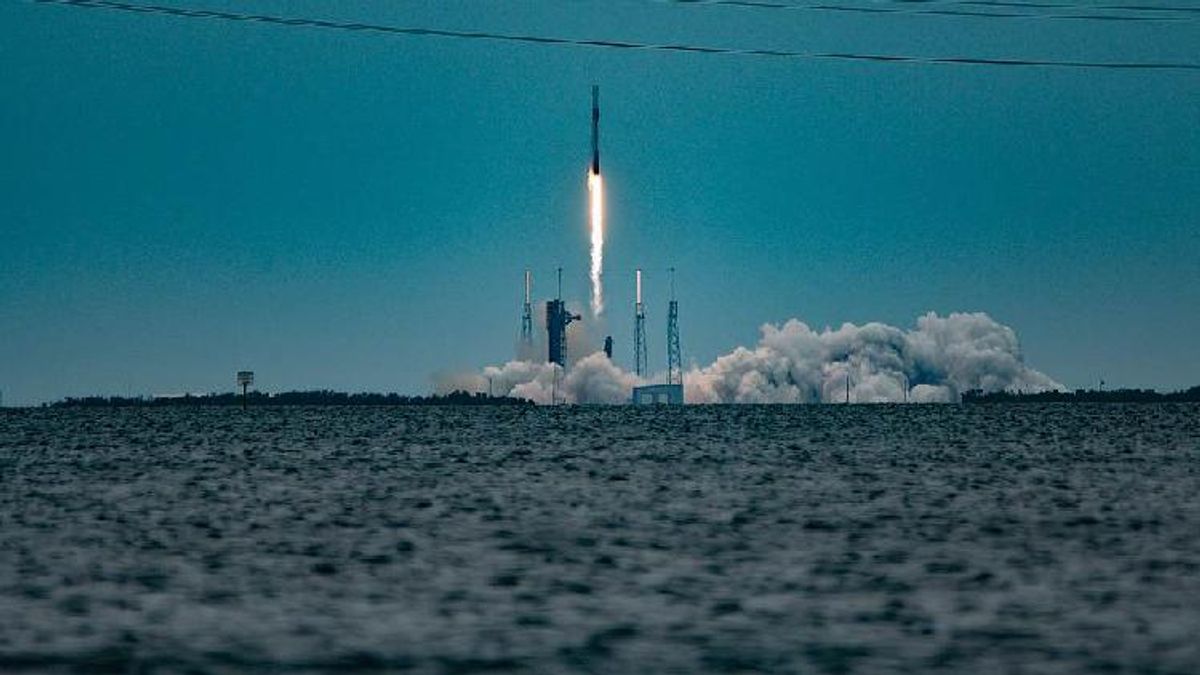
The US Federal Aviation Administration (FAA) has announced proposed changes aimed at significantly streamlining regulations for commercial space launches and re-entries. These adjustments include allowing operators to submit launch applications electronically, offering greater flexibility in demonstrating equivalent levels of safety, and combining three previously required safety analyses into a single submission. The initiative is a direct response to a White House goal of enabling at least 1,000 launches and re-entries annually by 2030, a dramatic increase from 178 last year and a tenfold jump from 2013. This rapid acceleration is largely dominated by private entities, most notably Elon Musk's SpaceX. The FAA asserts that these simplified rules will ensure American space operators maintain global leadership in commercial launch growth while upholding the agency's highest safety standards. This regulatory push follows a memo signed by President Trump in August, which directed government agencies to identify federal land for new launch and re-entry sites, and an earlier FAA proposal in July to waive certain legal requirements to expedite commercial space licensing.
The drive to streamline US commercial space launch regulations is a multifaceted play for power, deeply rooted in economic competition, national security imperatives, and the evolving relationship between government and private industry. At its core, this move is about securing and extending America's lead in what is rapidly becoming a critical new economic frontier: space.
The commercial space sector is projected to be a multi-trillion-dollar industry, encompassing everything from satellite internet and remote sensing to space tourism and asteroid mining. By aggressively boosting launch frequency, the US aims to capture a disproportionate share of this burgeoning market. More launches mean more satellites, more data, and more services controlled by American companies. This isn't just about revenue; it's about establishing the infrastructure and setting the standards for the global space economy, much like the US did with the internet in its early days. The stated goal of 1,000 launches by 2030 is an audacious target designed to create an insurmountable lead over competitors like China, Russia, and the European Union, ensuring that American companies are the default providers for global space services.
While framed as commercial growth, the strategic military and intelligence advantages of a robust commercial space industry are undeniable. A nation with the ability to rapidly deploy hundreds of satellites annually gains a significant edge in surveillance, communication, navigation, and even potential anti-satellite capabilities. The distinction between commercial and military space assets is increasingly blurred, with private companies often providing critical services to the Pentagon and intelligence agencies. This creates a symbiotic relationship where government support for commercial growth directly enhances national security capabilities, reducing reliance on traditional, often slower, government-led programs. The reliance on private entities like SpaceX for government launches (e.g., NASA missions, military payloads) further solidifies this interdependency, granting these private corporations immense leverage and influence over national policy.
The FAA's proactive move to reduce regulatory hurdles suggests a powerful influence from the commercial space industry. Lobbying efforts from companies like SpaceX, Blue Origin, and others have likely played a significant role in shaping this policy. The government, in turn, appears eager to foster this industry's growth, even if it means re-evaluating long-standing safety and environmental protocols. This aligns with a broader political agenda of deregulation, particularly evident under the Trump administration, which often prioritizes economic acceleration by reducing perceived governmental
The US FAA is proposing to streamline regulations by allowing electronic applications, offering more flexibility in safety demonstrations, and combining multiple safety analyses into a single submission. These changes aim to significantly increase the frequency of commercial space launches and re-entries.
The primary beneficiaries are commercial space operators, particularly dominant private companies like SpaceX, who will face fewer regulatory hurdles and costs. The US government also benefits by solidifying its lead in the global space economy and enhancing national security capabilities through a robust private space sector.
Increased launches contribute to higher rocket emissions, impacting air quality and the atmosphere. There are also concerns about noise pollution for nearby communities, resource consumption for manufacturing, and the growing problem of space debris, which threatens operational satellites and future access to space.
Source referenced: CGTN
This brief was synthesized by our Editorial Engine and reviewed by The Ground Narrative team.