TRENDING

Saturday, 10 October 2026
----------------------
29 Rabi' Al-Thani 1448 AH
The United States announced sweeping sanctions that freeze the International Criminal Court’s finances and bar transactions, prompting a chorus of condemnation from the UN and eight European allies. The move threatens the court’s ability to pursue war‑crimes cases and raises questions about who truly benefits.
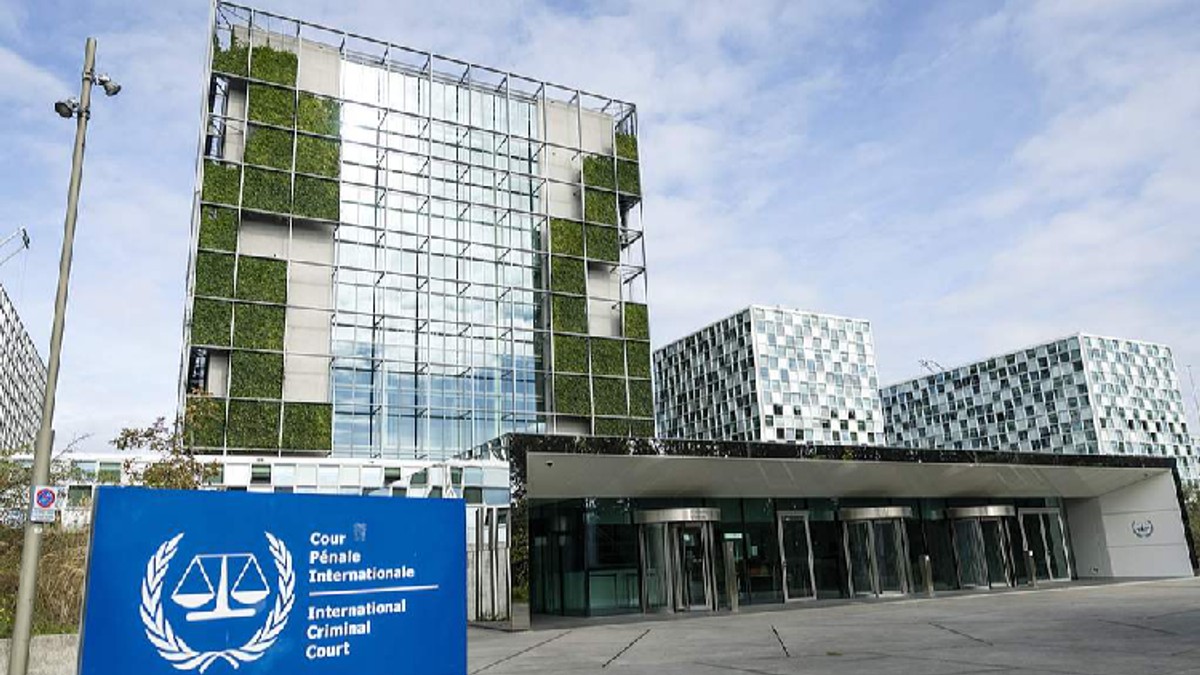
On October 10, 2026, U.S. Secretary of State Marco Rubio unveiled a package of sanctions aimed at the International Criminal Court (ICC). The measures prohibit U.S. entities from conducting any financial transactions with the court, freeze assets linked to ICC operations, and restrict the court’s access to U.S. banking services. Within hours, UN Secretary‑General António Guterres and foreign ministers from Canada, Denmark, Germany, France, Italy, Japan, the Netherlands and the United Kingdom issued a joint statement denouncing the sanctions as a blow to international criminal justice.
The United States frames the sanctions as a response to what it calls the ICC’s alleged overreach and politicisation, especially regarding investigations into alleged war crimes involving U.S. allies. By cutting off the court’s financial lifelines, Washington seeks to pressure the ICC into narrowing its jurisdiction and to signal to other non‑party states that the U.S. will not tolerate investigations that could implicate its strategic partners.
At the same time, the move serves an internal political calculus. Rubio, a senior figure in the Republican‑dominated administration, leverages the sanctions to rally a domestic constituency that views the ICC as a tool of global elites undermining national sovereignty. The sanctions also reinforce a broader U.S. trend of using secondary sanctions to coerce compliance from international organisations, a tactic that has proved effective in curbing Iran’s nuclear programme and Russia’s energy exports.
The eight European states that issued the joint rebuke share a different set of incentives. As States Parties to the Rome Statute, they have a legal and reputational stake in preserving the ICC’s independence. Their coordinated statement is also a diplomatic signal to Washington that the transatlantic alliance cannot be taken for granted on matters of international law. By publicly opposing the sanctions, they aim to preserve the credibility of the multilateral system that underpins their own security architectures.
Finally, the United Nations finds itself in a delicate position. While the UN Charter enshrines the principle of accountability for the gravest crimes, the organisation lacks enforcement mechanisms to protect the ICC from unilateral punitive actions. The Secretary‑General’s condemnation is therefore both a moral stance and a strategic effort to rally broader international support before the December 2026 Assembly of States Parties, where the court’s budget and procedural reforms will be debated.
The most immediate human impact falls on victims of mass atrocities who depend on the ICC to secure reparations, truth and a measure of closure. In the Democratic Republic of Congo, survivors of the 2022‑2024 conflict have been waiting for a ruling that could unlock compensation funds and compel perpetrators to answer for systematic sexual violence. With the court’s banking channels choked, the flow of reparations slows, prolonging the trauma for thousands of families.
Beyond the victims, the ICC’s 1,200‑strong workforce—judges, prosecutors, investigators, and local staff in The Hague and field offices—faces uncertainty. The sanctions freeze the court’s ability to pay salaries, fund investigations, and maintain security in volatile regions. Contractors in Uganda, the Philippines and Afghanistan, who rely on ICC contracts for livelihood, risk sudden unemployment, exacerbating already fragile local economies.
Many low‑ and middle‑income states lack the resources to conduct independent war‑crimes investigations. They rely on the ICC’s technical assistance and funding to build domestic judicial capacity. The sanctions jeopardise these capacity‑building programmes, leaving a legal vacuum that could be filled by impunity‑friendly actors, including armed groups that thrive in law‑less environments.
Official statements from Washington highlight “national sovereignty” and “fairness,” but they omit a strategic pivot toward alternative, U.S.-aligned accountability structures. Behind closed doors, policymakers are exploring the creation of a new tribunal under the auspices of the International Monetary Fund and World Bank, staffed by judges appointed by donor nations. This would allow the U.S. to shape procedural rules, limit jurisdiction, and retain control over funding streams.
The public narrative frames the sanctions as a moral stance, yet the underlying economic lever is the U.S. dollar’s dominance in global finance. By cutting the ICC off from the U.S. financial system, Washington exploits the dollar’s choke‑point power, effectively weaponising its currency to enforce compliance. This dimension is downplayed in diplomatic briefings, which instead focus on “principles of justice.”
Rubio’s announcement coincided with a mid‑term election cycle where anti‑globalist rhetoric is gaining traction. The sanctions serve as a rallying point for candidates promising to “take back control” from international bodies. The broader implication—using foreign policy to win domestic votes—receives scant attention in the official press releases, which instead stress “protecting American interests abroad.”
The coming months will reveal whether the sanctions are a temporary pressure tactic or the first step in a longer campaign to reshape the architecture of international criminal law. Key indicators include: (1) any legal challenges filed by ICC member states at the World Trade Organization over the sanctions’ compatibility with trade rules; (2) the outcome of the December 2026 Assembly of States Parties, where budget approvals could be used as a litmus test for the court’s resilience; and (3) the emergence of any parallel tribunals backed by the United States or its allies, which would signal a fundamental shift away from the Rome Statute framework. Observers should also monitor how non‑aligned states—particularly in Africa and Latin America—react, as their collective stance could either reinforce the ICC’s legitimacy or accelerate its marginalisation.
Stay alert for leaked diplomatic cables, financial transaction reports, and statements from civil‑society groups in conflict zones, all of which will illuminate the real cost of the sanctions on ordinary people seeking justice.
Washington says the ICC has overstepped its mandate and politicised investigations that could affect U.S. allies. Critics argue the sanctions are a power move to limit the court’s jurisdiction and protect national interests.
The sanctions restrict the ICC’s access to banking services, slowing reparations and legal proceedings. Victims in places like the Democratic Republic of Congo may face longer waits for justice and compensation.
Prolonged financial strain could force the court to cut staff, scale back investigations, or rely on alternative funding sources, potentially weakening its ability to prosecute international crimes.
Editor's Note: Analysis based on publicly available statements and historical patterns of U.S. secondary sanctions.
Source referenced: CGTN
This brief was synthesized by our Editorial Engine and reviewed by The Ground Narrative team.


