TRENDING

Saturday, 10 October 2026
----------------------
29 Rabi' Al-Thani 1448 AH
A powerful 7.7 magnitude earthquake has rocked southern Panama, sending tsunami warnings across Central and South America and highlighting the region's persistent vulnerability to seismic activity. This event follows a year of devastating quakes, raising urgent questions about preparedness and long-term resilience.
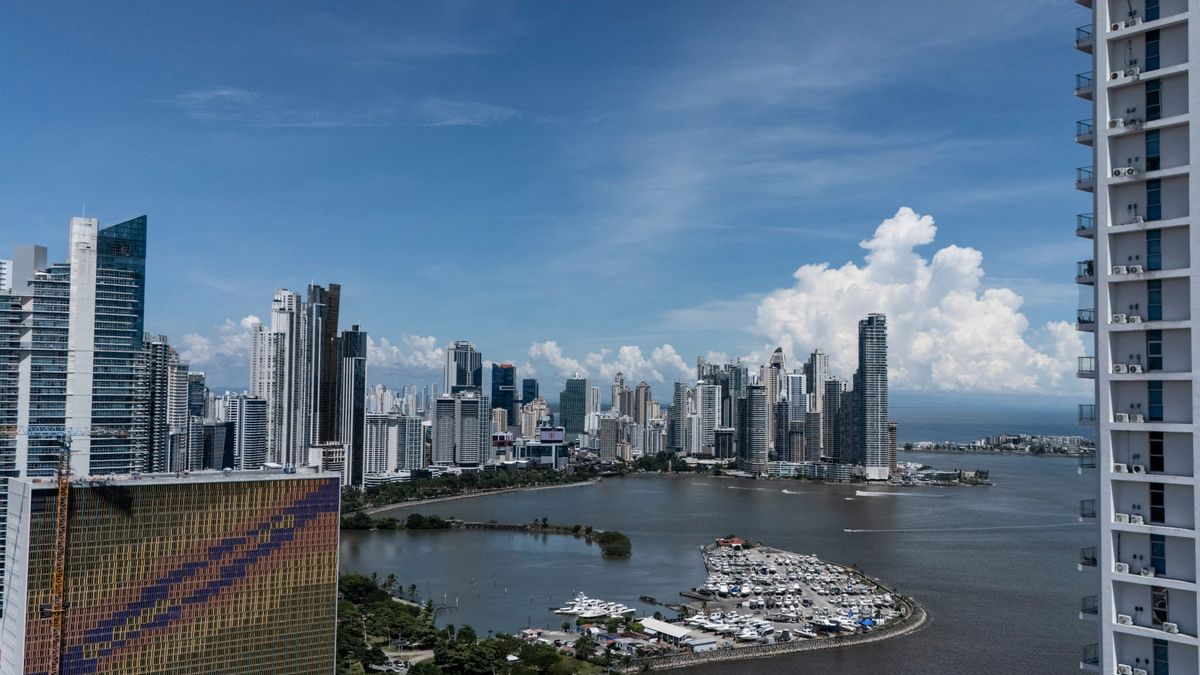
A powerful 7.7 magnitude earthquake struck off the Pacific coast of southern Panama, near the remote community of Pitaloza Arriba, triggering widespread tsunami warnings across Central and South America. Countries from Panama and Colombia to Ecuador, Nicaragua, and Guatemala were put on alert, with Chile's naval Hydrographic and Oceanographic Service also issuing a warning. Residents as far as Panama City reported significant tremors, causing buildings to shake and prompting widespread evacuations into the streets. Initial reports indicate the collapse of a historic building's tower and several balconies in Penonome, a city situated between the epicenter and the capital, underscoring the immediate structural vulnerabilities. This seismic event is not an isolated incident, following a year that saw a 7.4 magnitude quake kill hundreds in Colombia in August and twin quakes devastate Venezuela in June, claiming thousands of lives.
The fundamental power at play in the Central American region is geological. The area sits atop the volatile Pacific Ring of Fire, a horseshoe-shaped zone of frequent earthquakes and volcanic eruptions. Here, the Nazca, Cocos, and Caribbean tectonic plates constantly grind against each other, making seismic activity an inescapable reality. This geological power dictates the terms for human settlement and development, forcing nations to either adapt with robust infrastructure or face devastating consequences.
Against this backdrop, the power of national governments is tested. Panama's immediate response, including the closure of schools by the ministry of education and the rapid issuance of tsunami warnings by international and national services, demonstrates a reactive capacity. President Jose Raul Mulino's call for calm, urging citizens not to use the event to cause alarm or disorder, reflects a government's attempt to control the narrative and prevent panic – a crucial element of maintaining social order in a crisis. However, the true measure of governmental power lies not just in immediate response but in long-term preparedness, a domain where many nations in the region consistently fall short.
Economically, the power to build resilient infrastructure is often dictated by national wealth and priorities. Developing nations like Panama, despite its economic growth, frequently face trade-offs between rapid development and stringent, costly building codes. This economic calculus often prioritizes speed and affordability, inadvertently creating vulnerabilities that natural disasters exploit. The power of international aid organizations and financial institutions also comes into play, as they often dictate the terms and conditions of post-disaster reconstruction, influencing everything from material choices to urban planning. However, this external power can also inadvertently perpetuate a cycle of dependency if it doesn't foster genuine local capacity and sustainable solutions.
Finally, the power of information, wielded by scientific bodies like the US Geological Survey and national hydrographic services, is critical. Their ability to rapidly assess, warn, and disseminate data provides a crucial window for populations to react, albeit one that is only as effective as the communication infrastructure and public trust in place. The repeated nature of these quakes across the region – from Venezuela to Colombia and now Panama – highlights a collective challenge for governments to not only respond to individual events but to build a coherent, regional strategy for disaster resilience that transcends national borders.
The immediate human cost of an earthquake like this is palpable fear and disruption. Accounts from Rosendo Dominguez, a 60-year-old resident of Herrera province, who described things being knocked over and everyone evacuating into the streets, paint a vivid picture of the terror that grips communities. Beyond the initial shock, the human cost cascades through various layers of society, often disproportionately affecting the most vulnerable.
The psychological toll of living in a seismically active region, especially one that has experienced multiple destructive quakes within a single year, is immense. Communities in Central and South America are not just recovering from one event but are constantly bracing for the next. This chronic stress can lead to long-term mental health issues, impacting productivity, social cohesion, and the overall well-being of populations. Each new tremor reopens old wounds, making genuine recovery a moving target rather than a fixed destination.
While earthquakes are indiscriminate in their occurrence, their impact is anything but. The collapse of balconies in a residential building in Penonome and the general shaking of structures in Panama City underscore a critical vulnerability: the quality of construction. Poorer communities, often living in informal settlements or in buildings constructed with substandard materials and without adherence to modern building codes, bear the brunt of such disasters. These populations lack the financial resources to fortify their homes or relocate, making them inherently more exposed to physical harm and displacement. The economic disruption, from school closures to halted business operations, further exacerbates poverty, pushing families deeper into hardship as livelihoods are interrupted or destroyed.
For those in remote areas like Pitaloza Arriba, the human cost is compounded by geographical isolation. Access to emergency services, medical aid, and relief supplies can be severely hampered by damaged roads or lack of infrastructure, slowing response times and increasing the risk of casualties. The human cost, therefore, is not merely a tally of immediate injuries or deaths, but a complex web of psychological trauma, economic hardship, and systemic vulnerability that disproportionately burdens those with the least power and resources.
What governments and official statements often downplay or omit in the aftermath of such a disaster is the profound gap between immediate emergency response and long-term, systemic resilience. The focus is almost always on swift action – issuing warnings, closing schools, calling for calm – which are necessary but often overshadow the deeper, more uncomfortable truths about a nation's preparedness.
The narrative often presented is one of rapid recovery and rebuilding, implying a return to normalcy. However, the untold story is that
Source referenced: ALJAZEERA
This brief was synthesized by our Editorial Engine and reviewed by The Ground Narrative team.