TRENDING

Saturday, 10 October 2026
----------------------
29 Rabi' Al-Thani 1448 AH
The United States has imposed new sanctions directly targeting the International Criminal Court, aiming to prevent the prosecution of US and Israeli officials. This move has ignited a global debate over national sovereignty versus international justice.
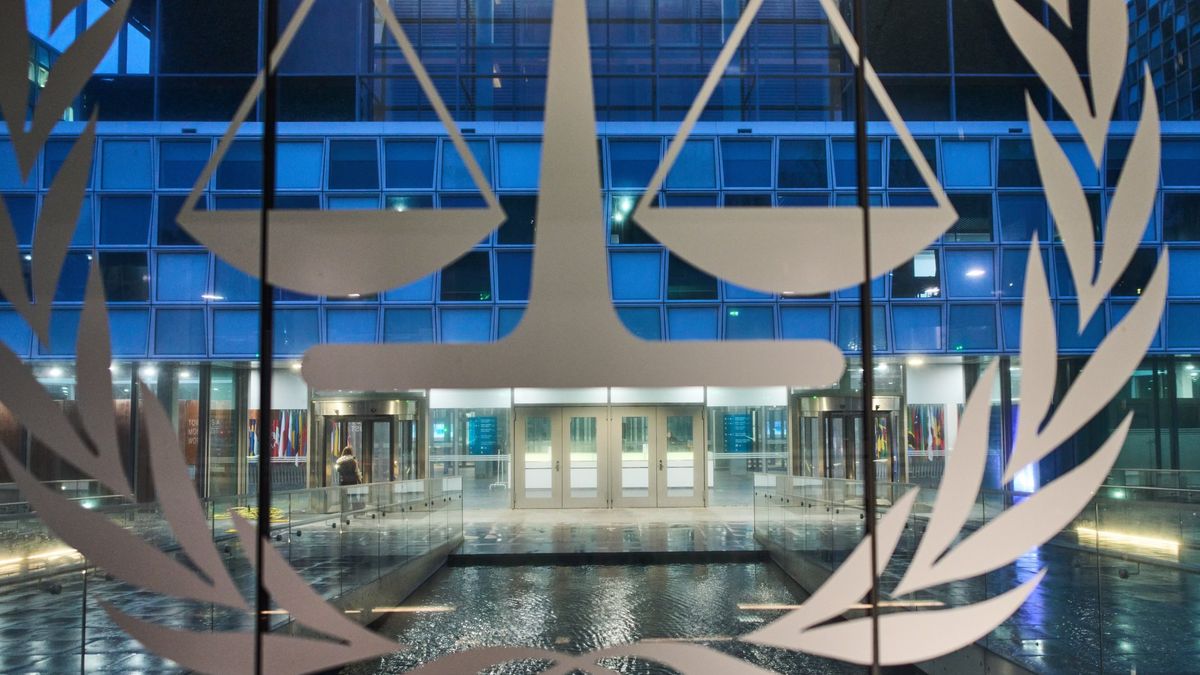
The United States has unveiled a fresh wave of sanctions directly against the International Criminal Court (ICC) itself, following earlier punitive measures targeting its personnel. Announced by Secretary of State Marco Rubio, these sanctions are designed to "cripple its ability to operate" and explicitly prevent the Hague-based court from prosecuting Americans. The move was met with immediate condemnation from the United Nations, a coalition of key US allies including European states, Canada, and Japan, and numerous human rights organizations, all of whom reiterated their support for the global war crimes tribunal. Conversely, Israel swiftly applauded the US decision, with Prime Minister Benjamin Netanyahu labeling the ICC a "political body" and a "mortal threat" to democracies.
The imposition of sanctions against the ICC is a stark demonstration of the United States' unilateral power and its willingness to deploy economic leverage to protect its perceived national interests and those of its allies. This action underscores a fundamental clash between the assertion of national sovereignty by powerful states and the evolving concept of universal jurisdiction for the gravest international crimes.
At its core, the US stance reflects a deeply held belief in American exceptionalism, where its citizens and military personnel should not be subjected to external judicial review, regardless of the severity of alleged crimes. The argument that the ICC oversteps its authority by pursuing officials from non-member states like the US and Israel is a legal interpretation that prioritizes national jurisdiction above the court's mandate to prosecute genocide, war crimes, and crimes against humanity when national systems fail. This position allows the US to maintain strategic flexibility and protect its forces from potential international legal challenges stemming from military operations globally.
The ICC, established by the Rome Statute in 2002, possesses moral and legal authority but lacks its own enforcement mechanisms. Its operational capacity is entirely dependent on the cooperation and financial support of its 125 member states. The US sanctions, by threatening to cut off resources and penalize those who cooperate with the court, directly target this vulnerability. This places member states in a precarious position, forcing them to weigh their commitment to international justice against the potential economic and political repercussions from Washington. It exposes the inherent fragility of international institutions when confronted by the coercive power of a dominant state.
For key US allies such as Britain, France, Germany, Canada, and Japan, the sanctions present a significant diplomatic and ethical dilemma. These nations are signatories to the Rome Statute and publicly committed to upholding international law and human rights. Their joint statement expressing regret and strong disagreement with the US move highlights this commitment. However, their deep strategic, economic, and security ties with the United States mean their condemnation, while firm in rhetoric, must navigate the practicalities of alliance management. The mention of a
The US imposed sanctions to prevent the ICC from prosecuting American and Israeli officials, arguing the court oversteps its authority by pursuing nationals from non-member states. This move is a direct response to specific ICC investigations into alleged war crimes.
The sanctions aim to cripple the ICC's ability to operate by cutting off resources and penalizing those who cooperate with it. This can lead to financial strain, delays in investigations and trials, and a chilling effect on the pursuit of justice for victims of atrocities.
Many US allies, including European states, Canada, and Japan, along with the UN and human rights organizations, have condemned the sanctions, reiterating support for the ICC and the international rule of law. Israel, however, has praised the US decision.
Source referenced: ALJAZEERA
This brief was synthesized by our Editorial Engine and reviewed by The Ground Narrative team.


