TRENDING

Saturday, 10 October 2026
----------------------
29 Rabi' Al-Thani 1448 AH
Russian sabotage operations across Europe are escalating from symbolic acts to direct attacks on critical infrastructure and defense supply chains. This shift signals a new, more dangerous phase in Russia's asymmetric warfare against European states supporting Ukraine.
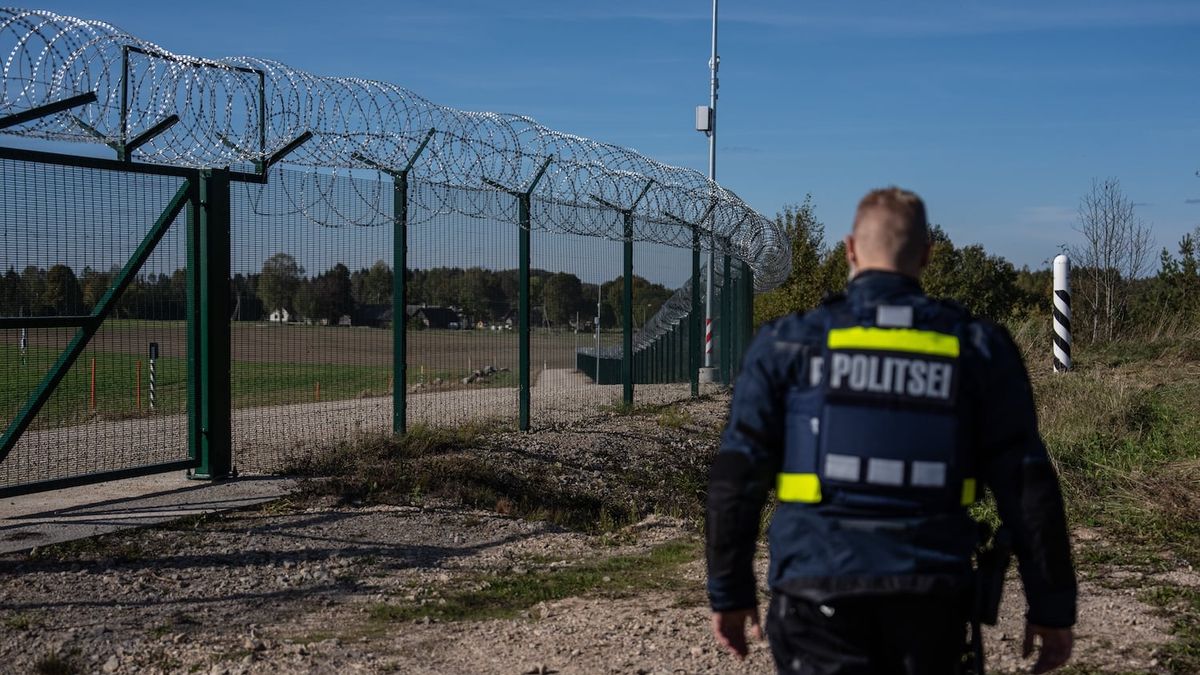
Russian sabotage operations across Europe have entered a new, more dangerous phase, according to Estonia's counterintelligence chief. What began as acts targeting symbolic objects—such as vandalizing cars of opinion-makers, burning Ukrainian flags, or arson attacks on Ukrainian restaurants—has now evolved into direct assaults aimed at disrupting military supplies to Ukraine. Recent incidents include an attack on Estonian robotics firm Milrem, a key supplier to Ukraine's military, and similar targeting of defense firms in Denmark, alongside an attempted explosive attack on a plane in Germany by Russian intelligence operatives. These operations increasingly employ explosives and leverage criminal groups and unwitting civilians, raising the stakes for public safety across the continent.
This escalation in Russian sabotage reflects a calculated shift in Moscow's strategy, moving beyond conventional military confrontation to exploit the vulnerabilities of open European societies. The core power dynamic at play is Russia's attempt to project influence and undermine adversaries through deniable, low-cost means, particularly as its conventional military efforts in Ukraine face significant resistance.
Russia's turn to sabotage is a classic tactic of asymmetric warfare, designed to inflict damage and sow discord without triggering a direct military response from NATO or the European Union. By using criminal groups and amateurs, often recruited through social media, Moscow aims for plausible deniability. This strategy complicates attribution, making it difficult for targeted nations to respond decisively. The use of up to seven layers of intermediaries between the saboteur and Russian command ensures a significant buffer, obscuring the Kremlin's direct involvement and allowing it to maintain that these are isolated criminal acts rather than state-sponsored aggression. This deniability is a powerful tool, allowing Russia to escalate tensions while avoiding the full consequences of its actions.
Targeting defense firms like Milrem directly impacts Ukraine's ability to sustain its war effort, but it also has broader economic implications for Europe. Disrupting supply chains and damaging industrial capacity creates economic instability and forces European governments to divert resources to security, potentially straining budgets and public patience. Furthermore, these attacks test the political will and unity of European nations. Each incident forces a debate on how to respond, highlighting potential differences in legal frameworks and counterintelligence capabilities across the continent. Moscow benefits from any perceived disunity or hesitation, weakening the collective resolve against its actions.
European democracies, by their very nature, are open and interconnected, relying on free movement of people and goods. This openness, a strength in peacetime, becomes a vulnerability in a shadow war. Russia exploits these freedoms, recruiting individuals who travel across borders, and leveraging social media to manipulate and radicalize. The ease with which criminal networks can operate across national boundaries further complicates the task for national security agencies, which are often constrained by legal and jurisdictional limitations. This makes Europe's commitment to democratic values a target in itself, forcing a difficult balance between security and liberty.
While the headlines focus on state-level aggression, the true weight of this escalating shadow war falls on ordinary citizens across Europe. The shift from symbolic acts to the use of explosives and direct targeting of infrastructure introduces a new, terrifying dimension to daily life.
The most immediate and visceral human cost is the increased danger to civilians. When sabotage involves explosives, the risk of unintended harm to bystanders becomes very real. A failed attack, a miscalculation, or a deliberate targeting of public spaces could lead to mass casualties, transforming a geopolitical chess match into a personal tragedy for countless families. This creates a pervasive sense of unease, forcing communities to live with the knowledge that unseen threats could emerge at any moment, shattering their sense of security.
The use of criminal networks and unwitting recruits, including Ukrainian refugees, erodes fundamental trust within society. When individuals can be manipulated into unknowingly working for an adversary, it fosters suspicion and fear. Ukrainian refugees, already displaced and vulnerable, face the added burden of potential exploitation and the risk of being viewed with suspicion, further complicating their integration into host communities. This insidious tactic can sow division, undermine social cohesion, and create an environment where neighbors eye each other with distrust, fearing who might be an unwitting agent.
Attacks on defense firms and supply chains, while seemingly abstract, have tangible economic consequences for ordinary people. Disruptions can lead to delays in production, increased costs, and even job losses in affected sectors. For communities reliant on these industries, the instability can translate into economic hardship. Beyond the direct economic impact, the need for enhanced security measures can lead to inconveniences in daily life, from stricter border controls to increased surveillance, subtly chipping away at personal freedoms and the ease of movement that Europeans have long enjoyed.
In the face of escalating sabotage, official statements from European governments and security agencies often downplay or omit critical aspects of the challenge, painting a picture that might not fully capture the complexity or the systemic vulnerabilities being exposed.
Initially, Russia's sabotage included symbolic acts like vandalism and arson. Now, it has escalated to direct attacks on defense firms supplying Ukraine and attempts to disrupt critical infrastructure, often using explosives and proxy criminal groups.
This escalation is a strategic shift by Moscow, aiming to disrupt military supplies to Ukraine and undermine European support, particularly as Russia faces setbacks on the battlefield. It's a form of asymmetric warfare designed to inflict damage without triggering direct military confrontation.
Countries like Estonia are enhancing physical security for defense firms, increasing border surveillance, and making arrests of recruited individuals. European Union ambassadors have also met to discuss the growing threat, indicating a collective awareness of the need for a coordinated response.
Source referenced: FOREIGNPOLICY
This brief was synthesized by our Editorial Engine and reviewed by The Ground Narrative team.