TRENDING

Saturday, 10 October 2026
----------------------
29 Rabi' Al-Thani 1448 AH
Finland’s regulator ordered a pause on Google’s massive data‑center build‑out, citing missing environmental studies. The move spotlights the clash between tech ambition, local ecosystems and the limits of corporate power.
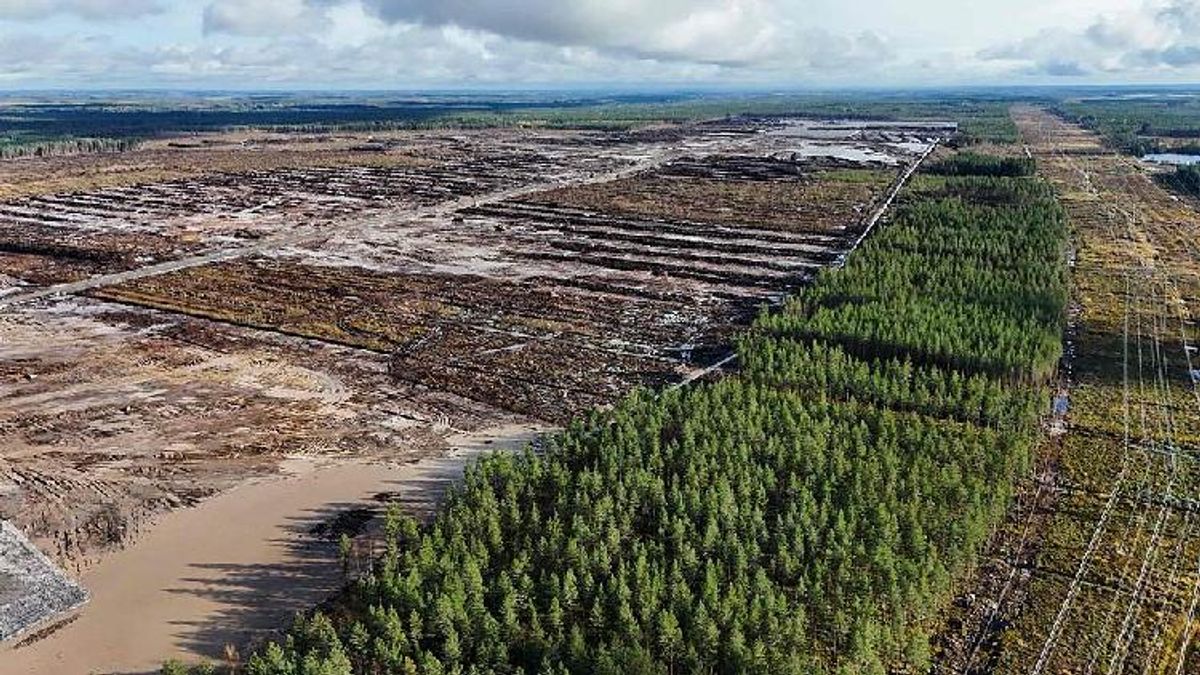
Finland’s Licensing and Supervision Authority (LVV) ordered an immediate stop to preparatory work at two Google data‑center sites in Muhos and Kajaani until required environmental impact assessments are completed. The halt covers tree removal, topsoil stripping, road construction and drainage changes, and must be in place by October 23. Google said it will comply, while Finnish climate minister Sari Multala reminded all firms that Finnish law, not foreign corporate policy, governs the process.
The clash is rooted in three intersecting power structures. First, Google is chasing a 13‑billion‑euro investment plan that promises to cement its European cloud footprint and diversify away from data‑hubs in the United States and Asia. The Finnish sites offer cheap, renewable energy and proximity to the Arctic grid, a strategic advantage for latency‑sensitive services.
Second, the Finnish government balances climate credibility with economic growth. The country has positioned itself as a leader in renewable energy, yet the promise of thousands of construction jobs and long‑term high‑skill positions creates political pressure to welcome foreign capital. Minister Sari Multala faces a tightrope: she must appear tough on environmental law to satisfy domestic green voters while not scaring away the investment that funds regional development.
Third, the EU’s broader climate agenda adds a regulatory layer. The European Green Deal obliges member states to conduct rigorous assessments for projects that could affect biodiversity or carbon sinks. By enforcing the assessment now, Finland signals compliance with EU standards, protecting its access to climate‑related funding and avoiding potential infringement proceedings.
Economic trade‑offs also matter. The data‑center promises a multiplier effect: local suppliers, housing demand, and tax revenue. Yet the preparatory work—clearing forests, building access roads—has already altered the landscape, creating sunk costs that the halt now threatens to waste. For Google, delaying the project raises capital costs and may push the company to consider alternative locations with smoother permitting pathways, such as Eastern Europe or the United States.
The affected municipalities—Muhos, Kajaani and nearby Vaala—are sparsely populated, with economies tied to forestry, agriculture and small‑scale tourism. Tree felling reduces timber supplies for local sawmills, cutting income for families that have relied on the forest for generations. Moreover, the drainage changes threaten wetlands that support fishing and seasonal foraging, eroding cultural practices linked to the land.
Construction crews, many of whom are seasonal laborers from other parts of Finland or neighboring Estonia, now face sudden unemployment. The halt comes after months of hiring, training and equipment procurement, leaving workers with unpaid wages and limited alternative jobs in remote northern regions where employment options are already scarce.
The cleared forest area represents a carbon sink that would have sequestered roughly 150,000 tonnes of CO₂ annually over the next two decades. The loss contributes directly to Finland’s national emissions targets, potentially shifting the burden onto other sectors to meet EU climate goals. Local wildlife—elk, bears and migratory birds—also lose habitat, increasing human‑wildlife conflicts and reducing biodiversity.
While Google publicly emphasizes compliance, the company’s Finnish subsidiary Tuike Finland Oy has been negotiating with regional development agencies and private landowners for years. Those negotiations often involve tax incentives, infrastructure guarantees and expedited permitting—details that are rarely disclosed in official statements. The halt forces Google to reveal the extent of its reliance on state‑backed subsidies, a point that could reshape public perception of tech giants as autonomous innovators rather than beneficiaries of public resources.
Finland’s enforcement aligns with a broader EU push to tighten environmental review thresholds after criticism that member states have fast‑tracked green‑energy projects without sufficient scrutiny. Yet the EU’s own digital strategy encourages data‑center expansion to keep European data sovereign. This contradiction is downplayed in both Brussels’ press releases and Finnish government briefings, leaving citizens without a clear picture of the policy trade‑offs.
Minister Multala warned that responsibility extends through the subcontracting chain, yet the law’s enforcement mechanisms are vague. Sub‑contractors—local earth‑moving firms, timber companies, and road builders—may escape liability if the primary contractor (Google) is deemed ultimately responsible. This legal ambiguity can shift cleanup costs onto municipalities, which lack the fiscal capacity to address unforeseen environmental damage.
The next few months will reveal whether Finland’s LVV demands a full environmental impact assessment or merely a supplemental review. Watch for any amendment to the EU Environmental Impact Assessment Directive that could tighten or relax standards for digital infrastructure. Additionally, monitor Google’s public communications for signs of relocation intent; a shift to another Nordic country would signal that regulatory friction outweighs the strategic benefits of the Finnish site. Finally, keep an eye on local election cycles in the affected municipalities—candidates may campaign on either protecting jobs or preserving the forest, turning this corporate dispute into a decisive political battleground.
Finland's licensing authority stopped work because the required environmental impact assessments had not been completed, violating Finnish and EU law.
The pause threatens construction jobs, reduces timber supplies for local sawmills, and may delay the promised long‑term high‑skill employment that the investment was meant to generate.
Source referenced: CGTN
This brief was synthesized by our Editorial Engine and reviewed by The Ground Narrative team.


