TRENDING

Saturday, 10 October 2026
----------------------
29 Rabi' Al-Thani 1448 AH
Elon Musk accuses Mukesh Ambani of sabotaging Starlink’s Indian launch, sparking a high‑stakes battle between a global tech mogul and the country’s telecom titan. The dispute reveals deep regulatory friction and a hidden toll on everyday users.
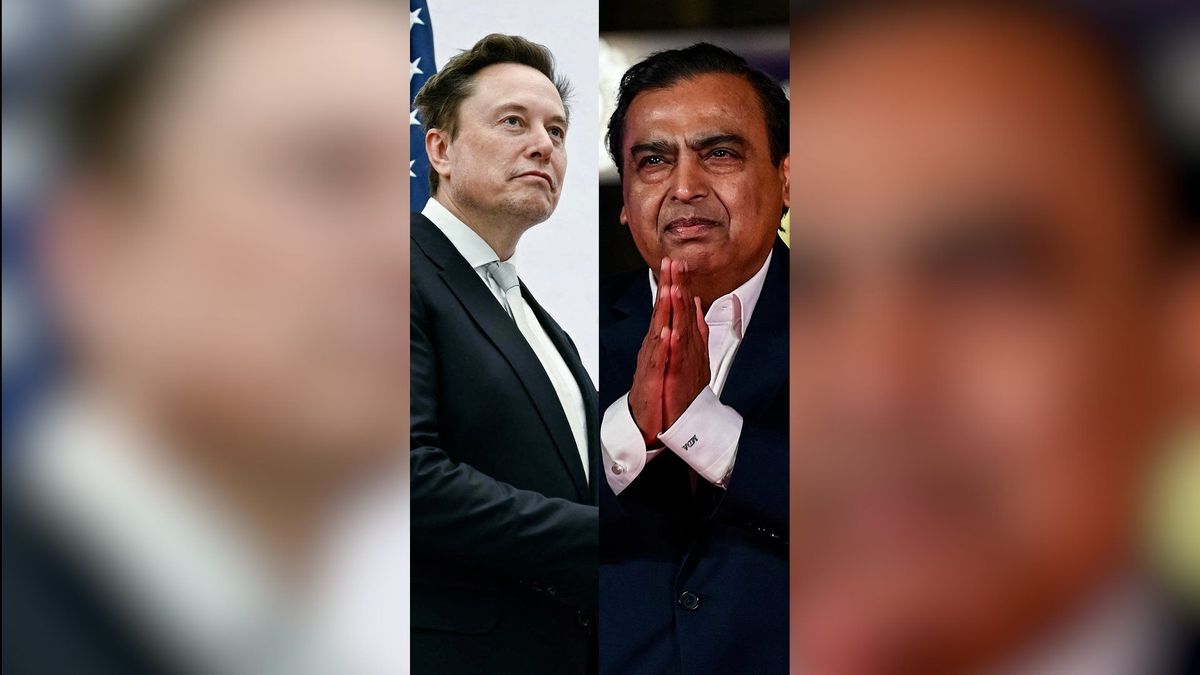
Elon Musk took to social media this week to label Indian billionaire Mukesh Ambani as the nation’s "real boss," accusing him of using political influence to stall the rollout of Starlink. The claim follows months of regulatory back‑and‑forth that has kept the satellite‑internet service in limbo, despite Elon Musk's public promises to bring high‑speed connectivity to underserved parts of India. Ambani’s Reliance Jio—the country’s largest mobile operator with over 500 million subscribers—has been cited by Musk as the primary obstacle, though officials deny any direct interference.
The clash is less about a single satellite constellation and more about the architecture of power in India’s telecom sector. First, the Regulatory framework gives the Ministry of Communications and the Telecom Regulatory Authority of India (TRAI) sweeping discretion over spectrum allocation, a resource that both domestic operators and foreign entrants covet. By controlling the timing and conditions of spectrum auctions, the government can effectively gate‑keep market entry.
Second, Reliance Jio has built an ecosystem that intertwines broadband, digital services, and a sprawling retail network. Its dominance gives it leverage over policy discussions, especially when the government seeks to balance foreign investment with national security concerns. Ambani’s close ties to senior ministers create a feedback loop: policy decisions that favor Jio’s existing infrastructure also limit the competitive edge of newcomers like Starlink.
Third, Elon Musk brings a different set of incentives. As the head of a vertically integrated satellite business, he stands to profit from a massive subscriber base in a market where broadband penetration still lags in rural areas. However, his approach—publicly shaming a domestic counterpart—risks alienating regulators who are already wary of foreign tech firms influencing critical communications infrastructure.
Finally, the broader geopolitical backdrop cannot be ignored. The United States views satellite internet as a strategic tool for digital sovereignty, while China’s own satellite ambitions are expanding across Asia. India’s delicate balancing act between these great‑power tech races adds another layer of complexity to the dispute.
While executives trade barbs, millions of families in remote villages remain without reliable internet. The promise of Starlink—low‑latency, weather‑resilient connectivity—could unlock tele‑medicine, online education, and market access for agricultural producers. Delays keep these communities dependent on patchy 2G/3G networks that limit economic mobility.
Reliance Jio’s rapid expansion has created a large, often precarious workforce of field technicians and sales agents. A sudden influx of a competitor could trigger layoffs or force workers into lower‑paid contract roles as the market readjusts. The uncertainty fuels anxiety in a sector already grappling with automation and AI‑driven network management.
Local entrepreneurs who rely on affordable data plans to run e‑commerce or digital services face higher costs when competition is stifled. Moreover, foreign investors eyeing India’s telecom market see the dispute as a signal of regulatory opacity, potentially curbing capital inflows that could otherwise fund network upgrades.
Government spokespeople emphasize that spectrum allocation follows transparent guidelines, yet they rarely address how existing licensees influence policy drafts behind closed doors. By framing the delay as a purely technical issue—such as concerns over interference with existing satellites—the administration sidesteps the deeper question of market power concentration.
Reliance Jio’s lobbying arm has reportedly commissioned studies that highlight the risks of foreign satellite constellations to national security, feeding into a broader narrative of data sovereignty. These reports often lack independent verification, yet they shape public opinion and justify stricter licensing conditions.
Both the United States and India are keen to project a collaborative tech partnership, especially as they counterbalance China’s Belt‑and‑Road digital projects. By keeping the dispute low‑profile, officials avoid diplomatic friction that could spill over into trade negotiations or defense cooperation.
The next few months will reveal whether the government moves toward a dedicated spectrum auction for Starlink or imposes additional compliance hurdles that could effectively block its entry. Watch for any amendments to the Communications Act that tighten foreign‑ownership limits, as well as statements from TRAI about interference testing protocols. On the corporate side, monitor Reliance Jio’s strategic filings—particularly any moves to acquire satellite assets or partner with other global constellations. Finally, keep an eye on how U.S. diplomatic channels reference the dispute in broader Indo‑U.S. technology dialogues; a shift there could tip the balance in favor of the satellite provider or reinforce the status quo.
Starlink’s rollout stalls because the Indian regulator has not yet cleared spectrum for satellite broadband and domestic operators, led by Reliance Jio, have lobbied for stricter conditions citing security concerns.
If approved, Starlink could provide high‑speed internet to remote areas, increasing competition, lowering data prices, and enabling new services like tele‑medicine and online education.
The clash tests the balance between India’s push for digital sovereignty and U.S. interests in expanding satellite services; diplomatic pressure could lead to policy adjustments or reinforce existing safeguards.
Editor's Note: Analysis based on publicly available statements and industry reports; ongoing regulatory developments may shift dynamics.
Source referenced: ALJAZEERA
This brief was synthesized by our Editorial Engine and reviewed by The Ground Narrative team.


