TRENDING

Tuesday, 27 October 2026
----------------------
16 Jumada Al-Awwal 1448 AH
Former FBI Director James Comey faces a third indictment from a Justice Department aligned with Donald Trump. His Instagram video reveals a personal stand while deeper power struggles unfold.
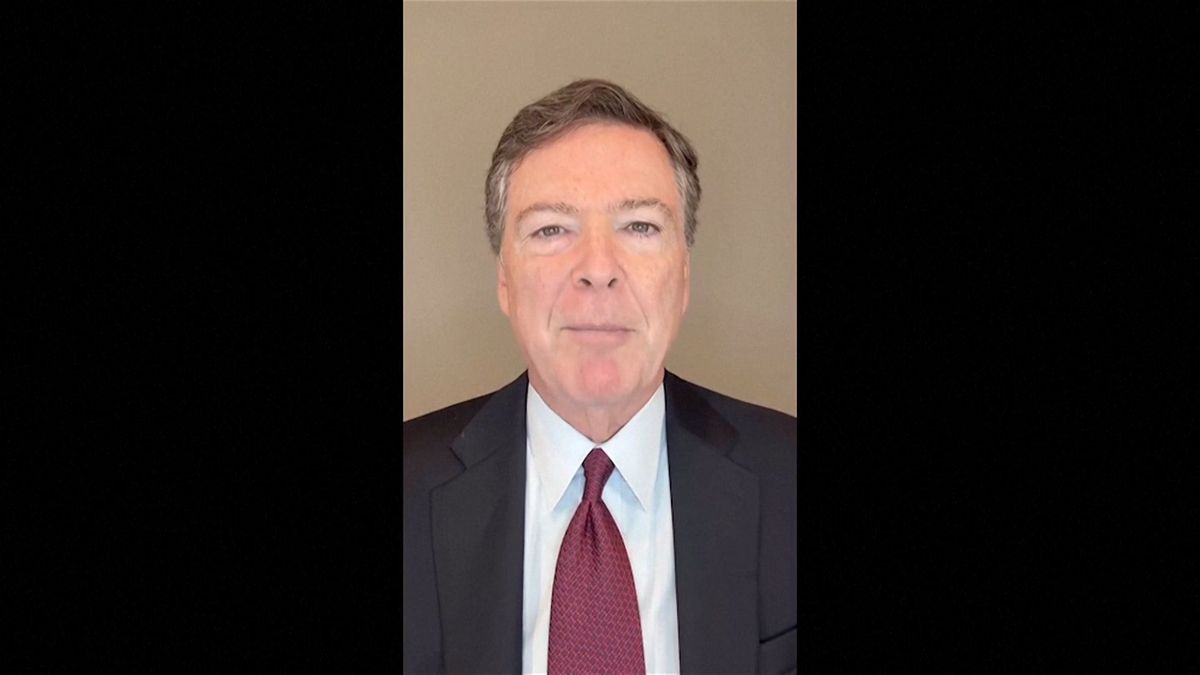
Former FBI Director James Comey was indicted for a third time in two years, this time accused of leaking sensitive national‑security information ahead of the 2016 election. The charge, brought by the Justice Department under the current administration, alleges that Comey shared classified material that could have influenced the electoral outcome. Comey denied the accusations in a self‑produced Instagram video, asserting that the prosecution is politically motivated and that he acted within legal bounds.
The current administration, led by Donald Trump, has turned the Justice Department into a tool for consolidating power and signaling loyalty to its base. By targeting a high‑profile figure who once testified against the president, the DOJ sends a clear message to other potential dissenters: opposition will be met with legal retaliation. This strategy mirrors earlier attempts to weaponize federal agencies for partisan ends, reinforcing a feedback loop where legal actions become extensions of political campaigns.
Within the DOJ, career prosecutors face a dilemma: pursue a case that may lack solid evidentiary footing but offers political capital, or risk marginalization by refusing a high‑profile directive. The administration’s control over key appointments ensures that senior officials are incentivized to align with the president’s agenda, even at the cost of perceived impartiality. Simultaneously, the FBI’s reputation suffers, as its former director becomes a courtroom pawn, eroding the agency’s ability to attract talent and maintain public trust.
The timing of the indictment, just months before the 2028 presidential primaries, suggests a calculated move to shape the narrative around national security and election integrity. By framing Comey as a traitor, the administration hopes to rally its supporters around a perceived external threat, diverting attention from domestic policy failures and consolidating the president’s standing among hard‑line voters.
The repeated prosecutions have exacted a severe emotional and financial strain on James Comey and his immediate family. Legal fees, constant media scrutiny, and the threat of incarceration disrupt daily life, forcing the family into a defensive posture that limits their ability to engage in normal activities. The psychological impact of being portrayed as a national security risk also carries stigma that can affect future employment and social standing.
Current and former FBI agents watch the proceedings with growing unease. The agency’s culture, built on secrecy and loyalty, is shaken when its former leader is publicly vilified. Junior staff worry that their own actions could be retroactively criminalized, leading to a chilling effect on whistleblowing and internal dissent. This erosion of morale threatens operational effectiveness, especially in counter‑terrorism and cyber‑security missions where rapid, decisive action is essential.
The American public, already skeptical of institutions after years of partisan conflict, faces another blow to confidence in the rule of law. When the justice system appears to be wielded as a political weapon, citizens may disengage from civic processes, believing that outcomes are predetermined by elite machinations rather than democratic deliberation. This disengagement can depress voter turnout and weaken the social contract that underpins democratic governance.
Official statements from the Justice Department emphasize the strength of the evidence, yet insiders report that senior officials faced intense pressure to move forward with the indictment despite lingering doubts. Memo leaks suggest that the decision was negotiated in exchange for political favors, such as the appointment of loyalists to key prosecutorial positions. This quid‑pro quo remains hidden from the public narrative, which frames the case as a straightforward pursuit of justice.
Mainstream coverage often highlights the sensational aspects—Comey’s Instagram video, the alleged leak—while downplaying the broader pattern of the administration’s use of legal mechanisms against opponents. The focus on the headline-grabbing elements obscures the systematic erosion of prosecutorial independence and the long‑term implications for checks and balances within the federal system.
Law firms and private security contractors stand to profit from the legal battles surrounding high‑profile national‑security cases. Their involvement, through retainer agreements and expert testimony, creates a financial incentive to sustain prolonged litigation. This economic dimension is rarely mentioned in official briefings, yet it fuels a market that benefits from the perpetuation of legal uncertainty.
The next critical juncture will be the trial’s progression and any immediate appeals. Observers should monitor whether the Supreme Court agrees to hear a case that could set precedent on the limits of prosecutorial discretion in politically charged contexts. A ruling that curtails the DOJ’s ability to pursue such cases would signal a rebalance of power, whereas a permissive decision could embolden further politicized prosecutions.
Given the president’s history of issuing pardons to allies, a future Trump pardon or commutation for Comey cannot be dismissed outright. Any move toward clemency would be a calculated political gesture, likely timed to maximize electoral advantage or to signal a shift in the administration’s stance toward the judiciary.
Congressional committees may launch investigations into the DOJ’s handling of the case, especially if public pressure mounts. Proposed reforms—such as stricter guidelines for initiating prosecutions against former officials—could emerge, reshaping the balance between executive authority and independent legal processes. Tracking these legislative efforts will reveal whether institutional safeguards can be restored or if the trend toward politicized justice will persist.
Polling on trust in the Justice Department and the FBI will indicate how deeply the case affects civic engagement. A measurable decline in confidence could translate into lower voter turnout or a surge in support for candidates promising institutional reform. Watching these metrics will help gauge the long‑term political ramifications of the prosecution.
In sum, the third indictment of James Comey is more than a legal showdown; it is a flashpoint exposing how political actors manipulate legal institutions, the cascading human costs of such tactics, and the hidden negotiations that shape public narratives. Observers should keep a close eye on judicial decisions, possible clemency, legislative reforms, and shifting public attitudes to understand how this episode will reshape the American power landscape.
The current administration alleges that Comey leaked classified information that could have affected the 2016 election, but critics say the repeated charges are politically motivated to punish a former critic.
If the courts uphold the indictment, it may embolden further politicized prosecutions; a reversal could reinforce prosecutorial independence and limit executive interference.
Editor's Note: Analysis based on publicly available reports and expert commentary; ongoing developments may affect specifics.
Source referenced: ALJAZEERA
This brief was synthesized by our Editorial Engine and reviewed by The Ground Narrative team.