TRENDING

Wednesday, 28 October 2026
----------------------
17 Jumada Al-Awwal 1448 AH
Russia announced a temporary halt to its strikes on Kherson to enable a humanitarian convoy into the occupied town of Oleshky. The pause, brokered by a U.S. political figure and a religious leader, masks deeper power calculations while the town’s civilians remain in limbo.
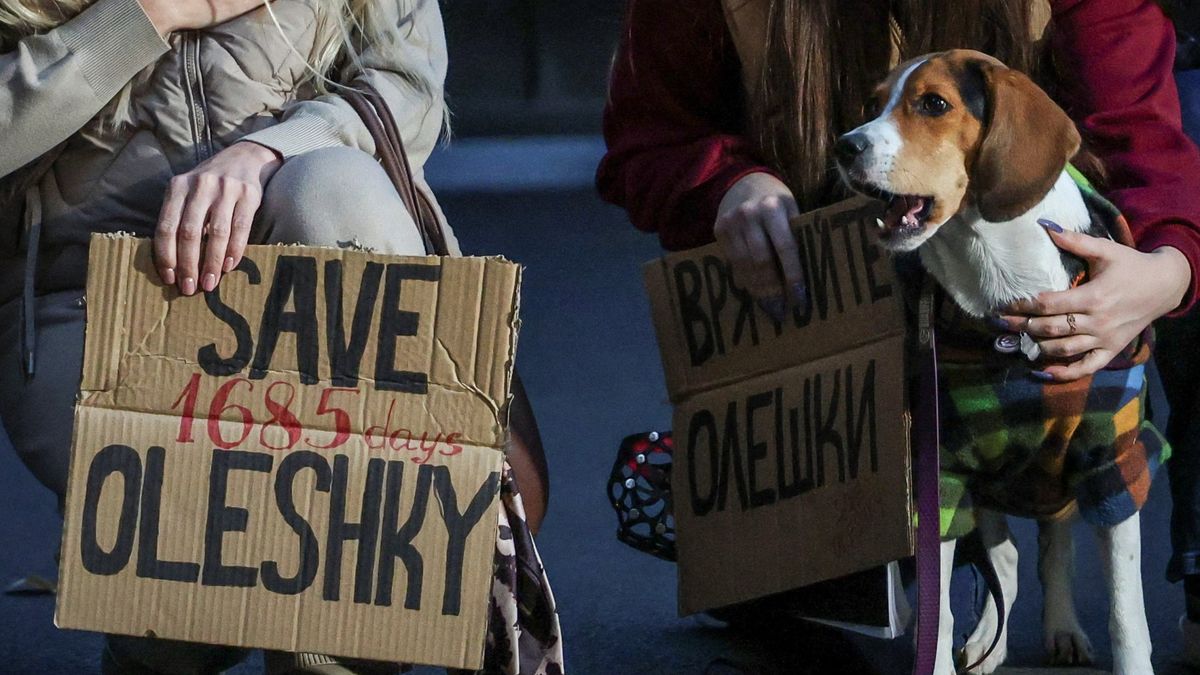
On 27 October 2026 Russia declared a suspension of artillery and air attacks on the Ukrainian province of Kherson, citing a localized cease‑fire that would allow a humanitarian mission into the occupied town of Oleshky. The pause began at 01:00 GMT and was framed as a goodwill gesture to facilitate the delivery of food, medicine and water, and to open evacuation corridors for the roughly 2,000 residents still trapped there.
The cease‑fire was negotiated in the weeks preceding the announcement, with Melania Trump leading a delegation that included Pope Leo. Their involvement was presented as a joint effort by the United States and the Vatican to revive stalled peace talks after more than four and a half years of conflict. The mission’s timetable called for aid convoys to arrive later in the week, with the cease‑fire set to last at least until Saturday, though officials warned that mistrust between the belligerents could shorten its duration.
The pause in hostilities serves multiple strategic calculations. For Russia, halting strikes temporarily creates a diplomatic opening without conceding any territorial ground. By allowing a high‑profile humanitarian operation, Moscow can claim a veneer of compliance with international norms while preserving its leverage over Ukraine and the broader negotiation table.
The United States, represented by Melania Trump, gains a platform to showcase American soft power. The involvement of a former First Lady sidesteps the usual diplomatic channels, allowing Washington to signal concern without committing additional military assets. This maneuver also diverts attention from other flashpoints where the U.S. faces pressure to increase aid or impose sanctions.
Pope Leo’s participation adds a moral dimension that can temper criticism of the mission’s political underpinnings. The Vatican’s global credibility helps legitimize the cease‑fire, making it harder for either side to dismiss the operation as a mere propaganda stunt. At the same time, the religious endorsement pressures Ukraine to appear receptive to humanitarian gestures, even as it continues to demand a full withdrawal of occupying forces.
The cease‑fire also interacts with the broader alliance math. European states that have pledged additional air‑defence systems to Kyiv watch the development closely, gauging whether the pause signals a genuine de‑escalation or a tactical pause that could be leveraged for future concessions.
The residents of Oleshky have endured more than four years of occupation, intermittent shelling, and the catastrophic flooding that followed the destruction of the Kakhovka Dam in 2023. The town’s pre‑war population of 24,000 has dwindled to roughly 2,000, many of whom are elderly, infirm, or lack the means to flee.
- Food scarcity: Supply lines have been repeatedly cut, leaving families to subsist on rationed staples. The aid convoy promises the first substantial delivery of fresh provisions in months.
- Medical vacuum: The local clinic operates with a skeletal staff and limited medicines. Chronic conditions, from diabetes to heart disease, go untreated, raising mortality rates.
- Psychological trauma: Continuous exposure to artillery, drone strikes and the ever‑present threat of mines has left a generation scarred. Children born during the occupation know only the sound of distant explosions.
The United Nations estimates that at least 1,500 of the remaining inhabitants are in urgent need of evacuation, but the presence of explosive remnants of war (ERW) and active drone patrols hampers any large‑scale movement. Even with the cease‑fire, the risk of sudden resumption of hostilities looms, meaning that any evacuation effort must be swift and meticulously coordinated.
Official statements from Russia and its allies emphasize the humanitarian nature of the pause, portraying it as a selfless act to protect civilians. What is less highlighted is how the cease‑fire creates a diplomatic bargaining chip for Moscow. By controlling the timing and duration, Russia can test the responsiveness of Western mediators and gauge the willingness of Ukraine to negotiate on terms that preserve Russian‑held territories.
Similarly, the narrative presented by the United States focuses on the moral imperative of delivering aid. Behind the scenes, the operation offers Washington a low‑risk avenue to re‑engage with the conflict without escalating military involvement. It also allows the U.S. to claim progress in peace‑building, a narrative useful for domestic audiences fatigued by prolonged war coverage.
The involvement of Pope Leo is framed as a purely humanitarian gesture, yet the Vatican’s diplomatic channels have historically been used to convey back‑channel messages between hostile states. Observers note that the Pope’s presence may serve as a conduit for discreet negotiations, a layer that mainstream media rarely explores.
Finally, the media coverage in both Russian‑state outlets and Western newsrooms tends to underplay the logistical challenges of delivering aid in a mined, drone‑patrolled zone. The focus remains on the symbolic nature of the cease‑fire rather than the grim reality that many of the 2,000 residents may never see the promised supplies before the pause ends.
- Duration of the cease‑fire: If the pause extends beyond the initial deadline, it could signal a shift toward a more sustained de‑escalation, or conversely, a tactical pause before a renewed offensive.
- Negotiation signals: Any public statements from Russia or Ukraine that reference the Oleshky mission as a confidence‑building measure will indicate whether the cease‑fire is being used as a stepping stone for broader talks.
- International response: The reaction of European allies, especially those supplying air‑defence systems, will reveal whether they view the cease‑fire as a genuine humanitarian effort or a political ploy.
- Ground reality: Reports from the United Nations and independent observers about the actual delivery of aid, the safety of evacuation routes, and the condition of civilians will be the clearest barometer of the mission’s impact.
- Media framing: Monitoring how state‑controlled and independent outlets describe the cease‑fire will expose which narratives are being amplified and which are being suppressed.
Keeping an eye on these variables will help ordinary citizens understand whether the Oleshky cease‑fire is a fleeting pause in a long‑running war or a subtle reshaping of power dynamics on the front lines.
Russia framed the pause as a humanitarian gesture, but analysts see it as a diplomatic lever to test Western willingness to negotiate while avoiding any territorial concession.
She led a U.S. delegation that helped broker the cease‑fire, allowing Washington to showcase soft‑power involvement without committing additional military resources.
Around 2,000 residents are still trapped, facing severe shortages of food, medicine, and safe evacuation routes due to mines and ongoing drone activity.
Editor's Note: Analysis based on publicly available reports and expert assessments up to the publication date.
Source referenced: ALJAZEERA
This brief was synthesized by our Editorial Engine and reviewed by The Ground Narrative team.


