TRENDING

Wednesday, 28 October 2026
----------------------
17 Jumada Al-Awwal 1448 AH
A new lawsuit pits an obscure 1930 trade law against President Donald Trump's tariff agenda, exposing a pattern of legal defeats and rising costs for everyday Americans. The battle highlights who holds the power, who bears the burden, and what the next political showdown may bring.
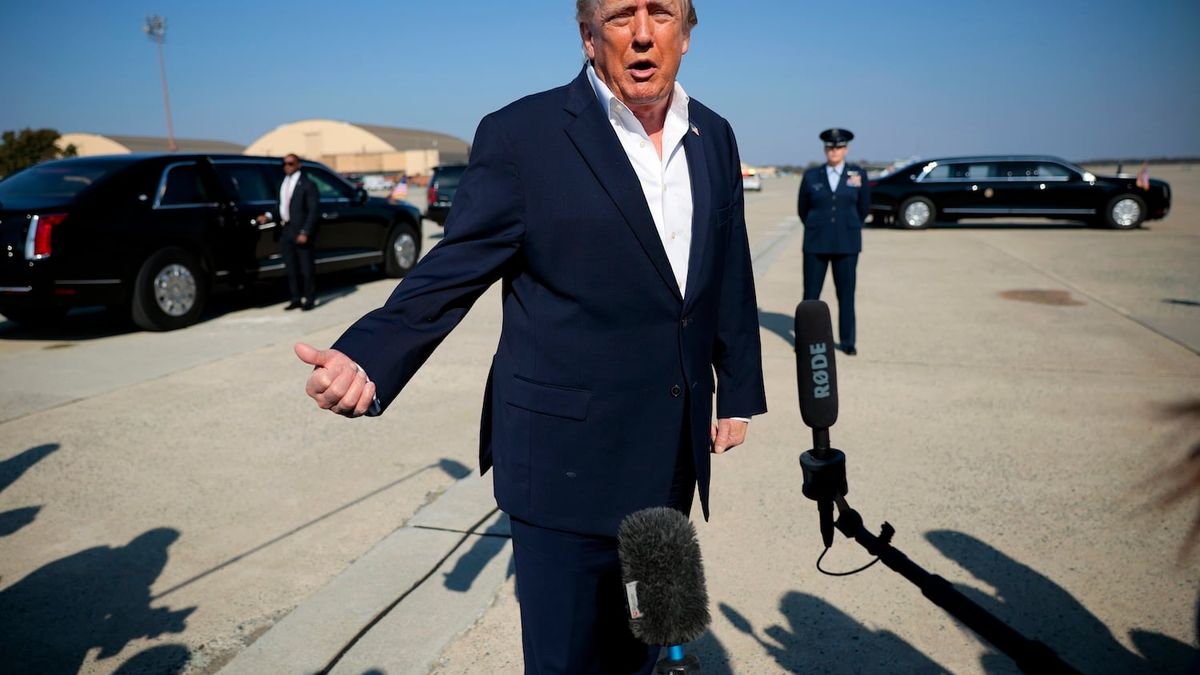
President Donald Trump faces another lawsuit, this time over his use of the dormant Section 338 of the 1930 Trade Act to impose duties on Canadian goods. The Liberty Justice Center, representing a U.S. firm hurt by the tariffs, argues the statute was designed for "imperial preference" disputes of the early 20th century and is legally dead, having been superseded by the 1962 Trade Act and the 1974 Trade Act’s Section 301. Courts have already struck down several of Trump’s tariff measures, and this case could finally close the door on his second‑term trade offensive.
The tariff saga is a textbook case of executive overreach meeting legislative inertia. After the Supreme Court knocked down the 1977 International Emergency Economic Powers Act (IEEPA) claim, the administration turned to an even older legal tool, hoping to bypass the safeguards built into modern trade law. By invoking Section 338, the White House sidestepped the investigative and remedial steps required under Section 301, effectively granting the president unilateral power to label any foreign measure as "discriminatory" and retaliate with duties.
Politically, the tariffs serve two masters. First, they feed a narrative of protecting American jobs and confronting perceived trade imbalances—a rallying cry for Trump's base. Second, they generate short‑term political capital by promising tangible action against foreign competitors, even as the economic data show the opposite. The administration’s reliance on outdated statutes also reflects Congress’s long‑standing delegation of trade authority to the executive, a delegation that has rarely been challenged until now.
Economically, the tariffs create a feedback loop. Higher import costs raise consumer prices, fueling inflation that the Federal Reserve must combat with higher interest rates—exactly the opposite of Trump’s preferred monetary stance. Meanwhile, the Treasury refunds illegally collected duties, eroding any revenue gains and deepening the federal deficit. The legal battles thus become a proxy for a broader contest over who controls trade policy: a president eager to wield it as a political weapon, or a legislative branch that has largely abdicated that role.
Every cent of a tariff on Canadian lumber, steel or agricultural products ultimately lands on the grocery bill, the home‑renovation estimate, or the price of a car. For low‑income households already stretched by a 3.7% inflation rate, these added costs translate into fewer meals, delayed home repairs, and reduced disposable income.
Domestic producers who rely on imported components face higher input costs, squeezing profit margins and prompting layoffs or plant closures. The promised manufacturing renaissance has not materialized; instead, many factories have shuttered, leaving skilled workers without jobs and local economies in decline.
Border states such as Michigan, Ohio and New York see a double hit: their export‑oriented industries confront retaliatory duties from Canada, while domestic consumers grapple with pricier goods. The cumulative effect is a slowdown in regional economic growth, which can influence voting patterns in the upcoming midterms.
Official statements frame the tariffs as a defense of United States sovereignty and a necessary response to foreign unfairness. What is left out is the systematic erosion of legal norms that allow a president to bypass congressional oversight. By resurrecting a law that even its original drafters considered a relic, the administration sidesteps the modern checks built into Section 301, such as mandatory investigations, public comment periods, and Congressional review.
Another omission is the strategic calculus of the Biden‑era trade apparatus, which quietly supports the lawsuits to restore predictability for businesses. While the White House publicly distances itself from Trump’s tariff rhetoric, its trade officials have quietly supplied legal arguments that the old statutes are incompatible with current international trade obligations.
Finally, the narrative ignores the geopolitical cost. By escalating a trade dispute with Canada—a close NATO ally—the United States risks fraying a partnership that underpins broader security cooperation in the Arctic and North Atlantic. The focus on tariffs distracts from the larger strategic picture of alliance cohesion.
The next few weeks will reveal whether the court upholds the lawsuit, effectively nullifying Section 338 and signaling the end of Trump’s last legal avenue for broad‑based tariffs. Watch the rulings of the U.S. Court of International Trade and any appellate motions, as they will set precedent for future executive use of historic statutes.
Politically, the outcome will feed into the November midterm narrative. A decisive loss could embolden Democrats to push for a legislative rollback of the executive’s trade powers, while a victory might reinforce Trump’s claim of unchecked authority, influencing Republican strategies in swing districts.
Economically, monitor price trends for goods most affected by the Canada tariffs—lumber, steel, and dairy. A reversal could ease inflation pressures, while a continuation would keep consumer costs elevated, affecting household budgets and potentially reshaping public opinion on trade policy.
Finally, keep an eye on congressional hearings. If Democrats regain control of the House, they may launch investigations into the delegation of trade authority, potentially leading to new legislation that re‑asserts legislative oversight and curtails future executive overreach.
The unfolding legal drama is more than a courtroom skirmish; it is a litmus test for the balance of power in U.S. trade policy and a reminder that the human price of political posturing is paid at the checkout line.
Section 338 is an obscure provision originally meant to counter "imperial preference" tariffs in the 1930s. It has never been used before and was superseded by later trade laws, making its modern applicability highly questionable.
The tariffs raise the price of imported goods, from lumber to food, which increases household expenses and fuels inflation. They also hurt domestic manufacturers that rely on imported inputs, leading to job losses.
Yes. If Democrats regain control of Congress, they could pass legislation to limit executive delegation of trade authority, restoring a stronger legislative check on future tariff actions.
Editor's Note: Analysis based on publicly available legal filings and economic data up to October 2026.
Source referenced: FOREIGNPOLICY
This brief was synthesized by our Editorial Engine and reviewed by The Ground Narrative team.