TRENDING

Wednesday, 28 October 2026
----------------------
17 Jumada Al-Awwal 1448 AH
The Communist Party’s fifth plenary in Beijing spotlighted Xi Jinping’s reliance on formal party mechanisms. While the agenda emphasizes “party self‑governance,” the real stakes ripple through officials and ordinary people alike.
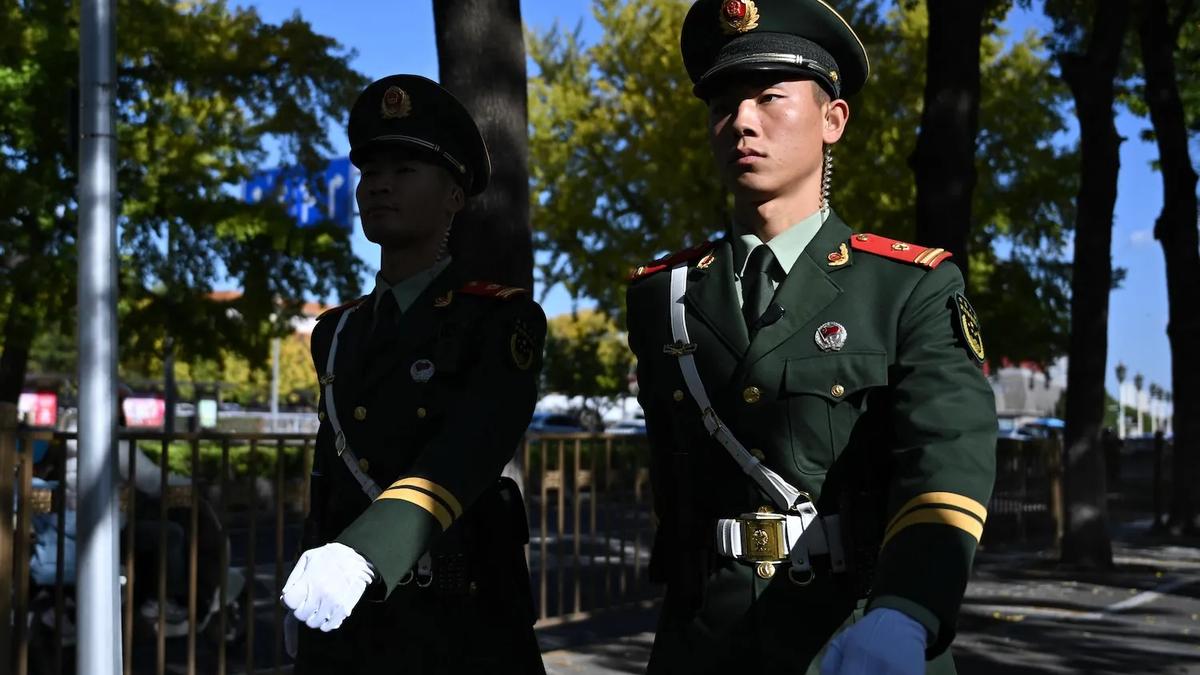
The Chinese Communist Party opened its fifth plenary on October 26, gathering roughly 200 voting members of the Central Committee and about 170 alternates. The agenda, unusually centered on “party self‑governance,” signaled a shift from the usual focus on macro‑economic management to a tighter grip on internal discipline and loyalty to Xi Jinping. The session was largely ceremonial, with most substantive decisions already negotiated in smaller, behind‑the‑scenes groups.
Unlike Mao Zedong, who could bypass party organs by mobilising mass movements, Xi Jinping has built his authority on the very institutions that once constrained his predecessors. The Central Committee, the Politburo, and the Central Commission for Discipline Inspection (CCDI) form a hierarchy that channels appointments, promotions, and punishments. By steering the fifth plenary toward “self‑governance,” Xi signals that the party’s internal watchdogs are the primary tool for preserving his rule.
When Xi rose to power in 2012, a sweeping anti‑corruption campaign was presented as a moral crusade to restore legitimacy. Over a decade, millions of officials have been investigated, many disappearing from public life. Yet the campaign has become a double‑edged sword: it removes potential rivals but also creates a vacuum filled by cadres whose loyalty is bought rather than earned. The current plenary agenda suggests that the campaign’s returns are waning, prompting a renewed emphasis on loyalty tests and stricter party discipline.
Control of the party’s internal security services—most notably the CCDI and the Ministry of State Security—gives Xi a direct line to monitor and discipline officials at every level. This network operates independently of the military, which historically offered an alternative power base. By keeping the security organs firmly under party command, Xi reduces the risk of a parallel power centre emerging, a lesson learned from the chaotic purges of the Cultural Revolution.
Xi’s personality cult is deliberately modest compared with Mao’s. No mass rallies, no cult‑of‑personality slogans, just a steady reinforcement of hierarchy. This restraint reflects a strategic calculation: the party’s legitimacy now rests on performance and order rather than revolutionary fervour. The fifth plenary, therefore, is less a theatrical showcase and more a procedural affirmation that the party’s machinery continues to serve Xi’s agenda.
The intensified focus on “self‑governance” translates into a wave of investigations targeting mid‑level officials who fail to meet loyalty metrics. Careers are abruptly ended, families lose housing subsidies, and children often face school placement restrictions. The climate of fear forces cadres to prioritize political correctness over effective governance, slowing local development projects and eroding public services.
When officials are preoccupied with internal audits, routine administrative tasks—such as processing permits, delivering social welfare, or maintaining infrastructure—suffer delays. Rural residents, already grappling with rising living costs, experience longer wait times for medical reimbursements and school funding. Moreover, the crackdown on dissent curtails the limited space for civil society groups to voice grievances, leaving ordinary people with fewer channels to influence policy.
Corporate executives, especially those in state‑owned enterprises, must navigate an increasingly politicised promotion ladder. Risk‑averse decision‑making leads to under‑investment in innovation, as managers fear that ambitious projects could be labeled “politically incorrect.” The resulting slowdown hampers job creation, disproportionately affecting migrant workers who rely on the manufacturing sector for livelihood.
While the plenary projects an image of collective decision‑making, power still circulates through informal “princeling” circles, old school card‑playing clubs, and mentorship ties that remain largely invisible to the public. Xi’s deliberate curtailment of these networks is a recent development; many senior officials still rely on patronage to secure promotions, a reality downplayed in official statements that stress meritocracy.
The shift toward “party self‑governance” coincides with mounting fiscal strain from a slowing economy, demographic decline, and the cost of sustaining a large security apparatus. By framing the agenda as a moral crusade, the leadership diverts attention from these structural challenges, presenting loyalty as the primary solution to fiscal shortfalls.
State media heralds the plenary as a renewal of the party’s commitment to the people, yet on the ground, citizens report rising unemployment and deteriorating public services. The narrative of a disciplined, morally upright party masks a widening gap between official rhetoric and everyday hardship, a discrepancy the regime prefers to keep out of the public discourse.
- Upcoming local elections: The next round of village and township elections will test whether the central crackdown on dissent translates into tighter control over grassroots representation.
- Policy shifts in the CCDI: Any new guidelines issued by the discipline inspection commission will indicate whether the anti‑corruption drive is entering a new, possibly harsher phase.
- Economic data releases: Quarterly GDP and employment figures will reveal whether the party’s internal focus is beginning to affect macro‑economic performance.
- Signals from the military: A subtle re‑balancing of authority between the party’s security organs and the People’s Liberation Army could hint at future power realignments.
- International reactions: How foreign governments and multinational corporations respond to the intensified internal scrutiny will affect China’s external economic ties, especially in sectors reliant on state‑owned enterprises.
Keeping an eye on these indicators will help readers gauge whether the fifth plenary is merely a procedural checkpoint or the prelude to a deeper consolidation of power that could reshape China’s domestic landscape and its interactions on the world stage.
The shift signals Xi’s concern that previous anti‑corruption campaigns have not fully secured loyalty. Emphasising self‑governance allows the leadership to tighten internal discipline while sidestepping economic shortcomings.
Increased political scrutiny slows bureaucratic processes, delays public services, and creates a climate where officials prioritize loyalty over effective governance, ultimately impacting daily life and economic opportunities.
New CCDI guidelines, altered promotion criteria for officials, or a noticeable shift in resource allocation toward security organs would suggest a deeper consolidation of Xi’s authority.
Editor's Note: Analysis based on publicly available reports and historical patterns; future developments may alter the power dynamics described.
Source referenced: FOREIGNPOLICY
This brief was synthesized by our Editorial Engine and reviewed by The Ground Narrative team.


