TRENDING

Wednesday, 28 October 2026
----------------------
17 Jumada Al-Awwal 1448 AH
Israel’s October 2026 parliamentary vote produced a fragmented Knesset with no clear majority. The outcome forces a coalition scramble that could end the country’s most right‑wing government since 2020.
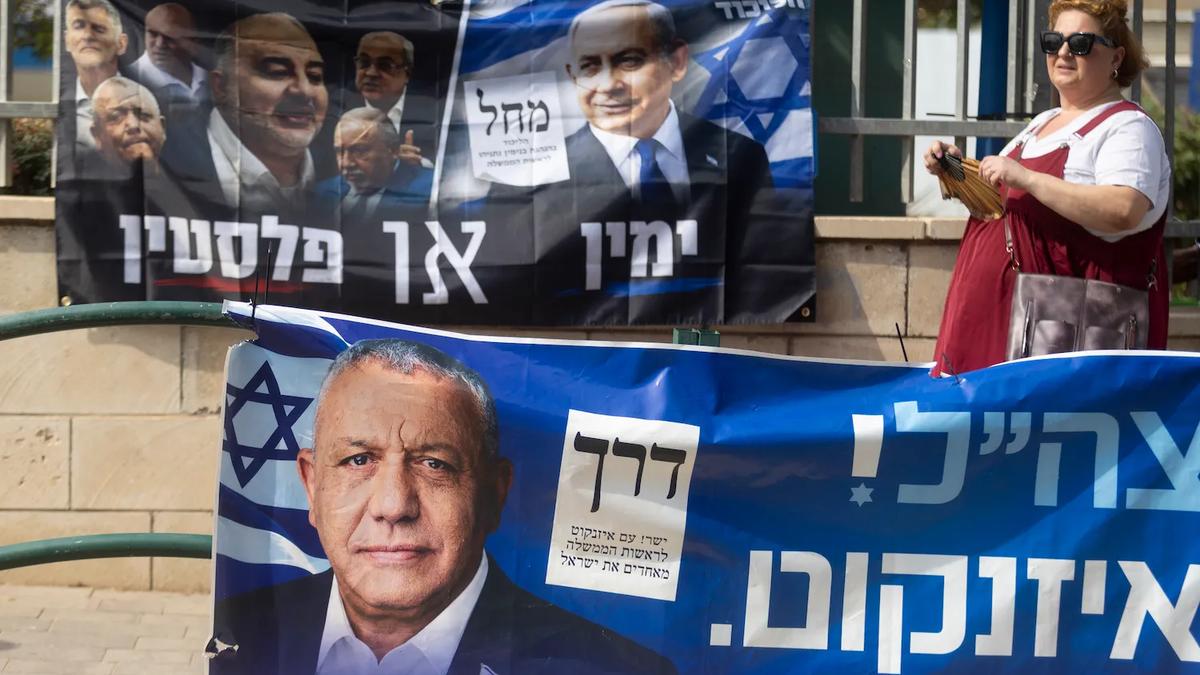
Israel held a national parliamentary election on 27 October 2026, the first since the Oct. 7, 2023 Hamas attack and the subsequent wars in Gaza, Lebanon and the Iranian‑border theater. Preliminary exit polls reported Gadi Eisenkot’s centrist bloc at 52 seats, Benjamin Netanyahu’s right‑wing alliance at 50, and Arab parties holding 18 seats. Turnout hit 74.3 percent, the highest since 1988, signalling a public appetite for change after two years of intense conflict.
The election outcome reflects a clash of survival strategies among Israel’s elite. Netanyahu, who has built a coalition around hard‑line security rhetoric and a promise to neutralise Iran, relies on religious parties, nationalist settlers and a network of patronage that rewards loyalists with contracts and land deals. His political calculus is to preserve a security‑first narrative that justifies continued military operations and a robust defense budget, which in turn secures funding for his party’s backers.
Eisenkot, a former chief of staff, positions himself as a “change” candidate, promising to replace the current war‑era cabinet with a more pragmatic leadership. His appeal rests on two pillars: a desire among middle‑class voters for economic stability after war‑driven inflation, and a fatigue with the perpetual state of emergency that has eroded civil liberties. To translate his modest lead into a governing majority, Eisenkot must stitch together a coalition that spans right‑wing Yisrael Beiteinu, left‑leaning Democrats, and possibly Arab parties such as Raam and the Joint List. Each potential partner brings its own red lines: Yisrael Beiteinu opposes any Arab participation, while the Joint List refuses any alliance with Lieberman’s nationalist platform.
The Knesset’s 120‑seat structure amplifies the need for compromise. Historically, Israeli governments have survived only as long as coalition partners feel their core interests—budget allocations, security mandates, or religious accommodations—are protected. The 2021 coalition collapse after a year of infighting illustrates how fragile such arrangements can be, especially when ideological cohesion is low. Eisenkot’s “change” bloc, while united in its opposition to Netanyahu, lacks a shared policy agenda beyond the removal of the incumbent. This creates a bargaining environment where smaller parties can extract disproportionate concessions, a dynamic that can stall decisive governance.
Internationally, the United States watches the election closely. Washington has supplied Israel with billions in military aid and diplomatic cover, particularly on Iran. A shift away from Netanyahu could recalibrate U.S. leverage, especially if a new coalition seeks to moderate settlement expansion or pursue a different approach to the Gaza reconstruction. Conversely, European capitals, wary of Israel’s right‑wing trajectory, may see an opening to push for renewed peace talks, but they remain constrained by their own domestic politics and the broader US‑Israel security umbrella.
Even as Israelis head to the polls, the humanitarian fallout of the Gaza war continues to shape daily life. The United Nations estimates that over 30 % of Gaza’s housing stock remains destroyed, with electricity and clean water supplies intermittent. For families living in the southern Strip, each political shift in Jerusalem translates into uncertainty about reconstruction funding, border crossing permissions, and the likelihood of renewed hostilities.
Within Israel, the war has left deep scars on civilian populations. Residents of border towns such as Sderot and Kiryat Shmona endured months of rocket fire, leading to chronic anxiety, disrupted schooling, and a surge in mental‑health cases. The war‑economy also inflated housing prices in central districts, pushing younger families into precarious rental markets. A coalition that fails to address these socioeconomic pressures risks fueling further discontent.
The 18 seats held by Arab parties represent roughly 20 % of the electorate, many of whom feel marginalized by security‑first policies that prioritize military spending over public services. Their communities have faced heightened police presence, restrictions on political expression, and limited access to development funds. If Eisenkot’s bloc leans on Arab support, these voters could extract commitments for infrastructure investment and greater political representation, but such promises are often diluted in the final coalition agreement.
Official narratives from both camps focus on security and economic recovery, but several layers remain under‑reported. First, the role of private security firms that have expanded contracts during the war is largely invisible. These firms profit from heightened threat levels, lobbying for policies that maintain a perpetual state of emergency, which in turn sustains their revenue streams.
Second, the influence of foreign donors—particularly from the United States and Gulf states—on Israeli political parties is downplayed. Campaign financing data shows a surge in contributions to right‑wing candidates from US‑based political action committees that view a hardline stance on Iran as aligning with their own geopolitical interests. Simultaneously, Gulf investors have begun channeling funds toward centrist parties that promise a more stable environment for trade.
Third, the media’s framing of the election as a binary choice between war and peace obscures the nuanced policy debates over settlement policy, judicial reforms, and the future of the Israeli‑Palestinian peace process. By reducing the contest to a personality clash, the press sidelines substantive discussions that directly affect everyday citizens.
Finally, the psychological toll on soldiers returning from Gaza is rarely quantified. The Ministry of Defense reports increased rates of PTSD, yet veteran services remain under‑funded, and public discourse rarely acknowledges the long‑term societal costs of sustained combat operations.
The next weeks will reveal whether Eisenkot can assemble a viable coalition and how much influence Arab parties will wield in that process. Key indicators include: (1) formal coalition agreements announced by the President of Israel within the constitutional 28‑day window; (2) budget allocations in the upcoming fiscal plan, especially for reconstruction in Gaza and social services for border communities; (3) any shift in U.S. military aid packages contingent on Israel’s internal political realignment; and (4) public opinion polls tracking confidence in the new government’s ability to address security versus civil liberties. Observers should also monitor the rhetoric of Iranian officials, as a perceived weakening of Netanyahu’s hardline posture could embolden Tehran’s regional strategy. The interplay of these factors will determine whether Israel moves toward a more moderate governance model or re‑entrenches the war‑era status quo.
The fragmented Knesset forces Eisenkot to negotiate with parties that have mutually exclusive red lines, especially between right‑wing nationalist groups and Arab parties. Budget demands, security policy, and settlement issues further complicate any agreement.
A new coalition could reopen negotiations on reconstruction funding and border crossings, but if security concerns dominate, aid may remain limited. The pace of recovery will depend on whether the government prioritises civilian needs over military objectives.
Source referenced: FOREIGNPOLICY
This brief was synthesized by our Editorial Engine and reviewed by The Ground Narrative team.