TRENDING

Wednesday, 28 October 2026
----------------------
17 Jumada Al-Awwal 1448 AH
Israel’s October 27 vote may replace Benjamin Netanyahu with a centrist bloc led by former chief of staff Gadi Eisenkot, but the core policies on Gaza and the West Bank are likely to stay the same. The article uncovers the power calculations behind the shift and the communities that will bear the cost.
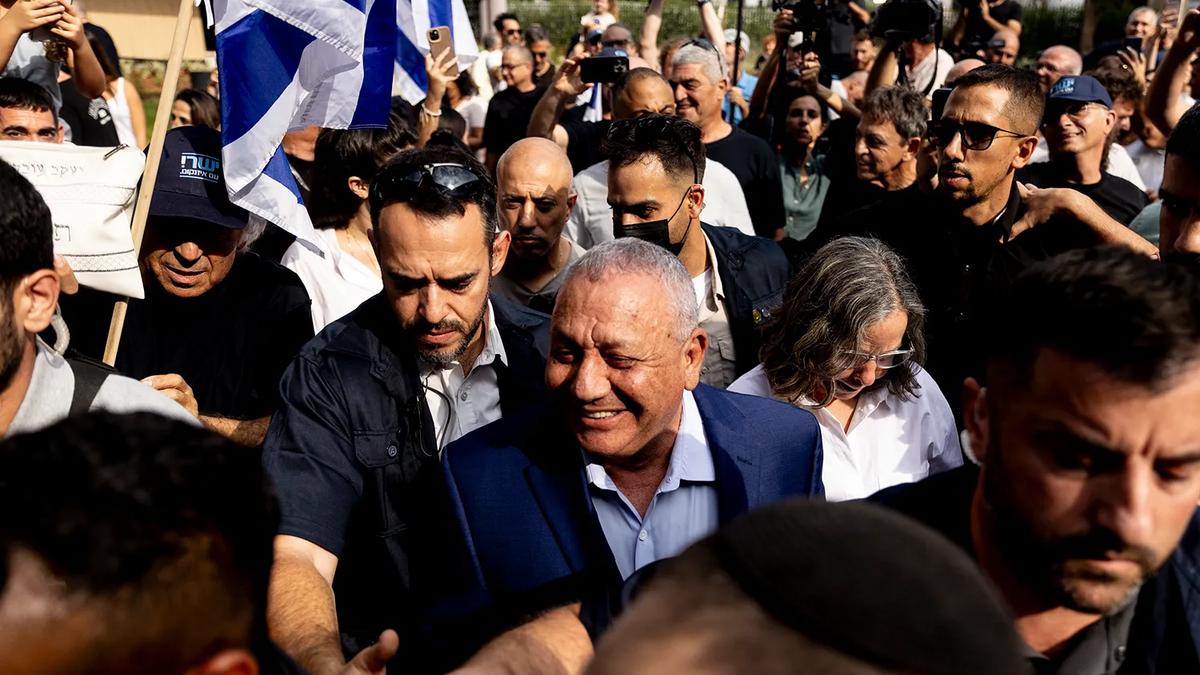
Israel held a long‑awaited parliamentary election on October 27, 2026. Preliminary exit polls from Channel 12 show former army chief Gadi Eisenkot's centrist "change bloc" edging ahead with an estimated 52 seats, while Benjamin Netanyahu's right‑wing alliance trails at 50 seats and Arab‑led parties hold 18. The numbers are still provisional, and coalition talks will likely stretch for weeks, but the headline suggests a possible end to Netanyahu’s 15‑year premiership.
Eisenkot’s rise is less about a radical ideological swing and more about the mechanics of Israel’s fragmented party system. The country’s proportional representation forces any prime minister to cobble together a coalition of at least 61 of the 120 Knesset members. Netanyahu has long relied on a blend of religious parties, nationalist settlers, and security‑focused factions to secure a parliamentary majority. Eisenkot, a former chief of staff who helped codify the Dahiya Doctrine—a strategy of overwhelming force against civilian infrastructure—must assemble a similarly broad alliance.
The centrist bloc’s platform emphasizes internal reforms: a commission of inquiry into the Oct. 7 Hamas attacks, term limits for the prime minister, a draft constitution, and ending the Haredi exemption from military service. Those proposals appeal to middle‑class voters fatigued by perpetual elections and to secular Israelis who see the religious establishment as a political dead‑weight. Yet, the document is conspicuously silent on the Gaza Strip, the E‑1 settlement corridor, and a two‑state solution. By omitting these flashpoints, Eisenkot’s team can court both right‑wing settlers and centrist voters without alienating either.
Internationally, the United States watches the outcome with a mix of hope and caution. Washington’s bipartisan criticism of Netanyahu’s personal style—often dubbed "Bibi Derangement Syndrome"—does not translate into a desire for a fundamentally different Israeli policy. U.S. officials want a partner who can maintain security cooperation, keep Iran’s influence in check, and avoid a diplomatic rupture with Arab neighbors. Eisenkot’s military pedigree and his public endorsement of a tougher stance on Hezbollah, Iran, and Hamas align with those expectations, even as he promises domestic reforms.
In short, the power calculus is about balancing three forces: the need for a stable governing coalition, the pressure from religious and settler lobbies, and the United States’ demand for a reliable security partner. The result is a continuity of core foreign‑policy positions, even as the domestic leadership changes.
The Gaza Strip bears the brunt of Israel’s military doctrine. The Dahiya Doctrine—originally applied in the 2006 Lebanon war—calls for massive, indiscriminate force aimed at erasing an enemy’s capacity to fight. While the 2023 war left much of Gaza in ruins, the lack of a clear policy shift means reconstruction will be slow, aid will remain politicized, and civilian casualties will continue to rise whenever hostilities flare.
Even without a formal annexation, the new coalition is likely to intensify security operations in Area A of the West Bank, where the Palestinian Authority nominally governs. Recent spikes in settler violence and Israeli police crackdowns have already displaced families, restricted movement, and heightened economic hardship. The absence of a two‑state roadmap locks Palestinians into a perpetual limbo, where basic services are eroded and land confiscations accelerate.
Domestically, the promised reforms—ending Haredi draft exemptions and imposing term limits—could reshape Israeli society. Haredi communities, which make up roughly 12 % of the population, rely heavily on state subsidies and have historically avoided conscription. Removing the exemption would trigger massive protests, potential civil unrest, and a reshuffling of welfare allocations. Meanwhile, secular Israelis may finally see a modest improvement in public services, but the benefits will be uneven as coalition partners extract concessions for their constituencies.
Eisenkot’s platform deliberately sidesteps any mention of a Palestinian state. By framing the future as “civil separation” and emphasizing security presence in the West Bank, the change bloc signals that a two‑state solution is off the table for the foreseeable future. This omission is a strategic move to avoid alienating settler voters while placating centrist Israelis who fear a security vacuum.
The E‑1 project—a controversial plan to link Israeli settlements from the West Bank to the Jordan Valley—has quietly advanced under the current government. Eisenkot’s coalition, which includes parties like Naftali Bennett's Bennett 2026, has no incentive to halt the process, as settlement growth is a key bargaining chip in any future peace negotiations. The lack of public debate masks the long‑term demographic and geographic implications for a viable Palestinian state.
American policymakers often present the election as a chance for a dramatic policy reset, but the reality is more nuanced. While Washington hopes for a leader less prone to personal diplomatic spats, it still expects Israel to maintain a hard line against Iran and Hamas. The untold story is that U.S. pressure is focused on procedural reforms—like term limits—rather than substantive changes to the occupation, because the latter would jeopardize strategic cooperation.
The next weeks will reveal whether Eisenkot can marshal a coalition that satisfies both his reform agenda and the demands of hard‑line partners. Key indicators to monitor include:
- The composition of the final cabinet, especially the ministries controlling defense, settlement planning, and the interior.
- Legislative progress on the proposed term‑limit law and constitutional draft, which could curb future leaders’ grip on power.
- The pace of settlement approvals in the West Bank, particularly any movement on the E‑1 corridor.
- Reactions from the United States, notably congressional hearings on aid and military cooperation, which may signal a shift in diplomatic tone.
- Grassroots responses in Gaza and the West Bank, especially any escalation in protests or clashes that could force the new government to adjust its security posture.
By tracking these variables, observers can gauge whether Israel’s political turnover translates into real policy change—or merely a reshuffling of the same power structures that have long dictated the region’s fate.
The 'change bloc' is a centrist coalition led by former army chief Gadi Eisenkot, combining parties like Bennett 2026, Yesh Atid, and others to challenge Netanyahu's right‑wing alliance.
Current indications suggest settlement expansion, especially projects like E‑1, will continue, as the coalition relies on settler support and has omitted any commitment to halt growth.
Washington is likely to welcome domestic reforms and a less volatile leader, but will still expect a hard security stance against Iran and Hamas, keeping the core foreign‑policy line unchanged.
Source referenced: FOREIGNPOLICY
This brief was synthesized by our Editorial Engine and reviewed by The Ground Narrative team.


