TRENDING

Wednesday, 28 October 2026
----------------------
17 Jumada Al-Awwal 1448 AH
A senior Bolsonaro ally claims ignorance as a senator reportedly flees Brazil for Florida amid a money‑laundering probe. The episode reveals deep power struggles and ordinary Brazilians left to bear the fallout.
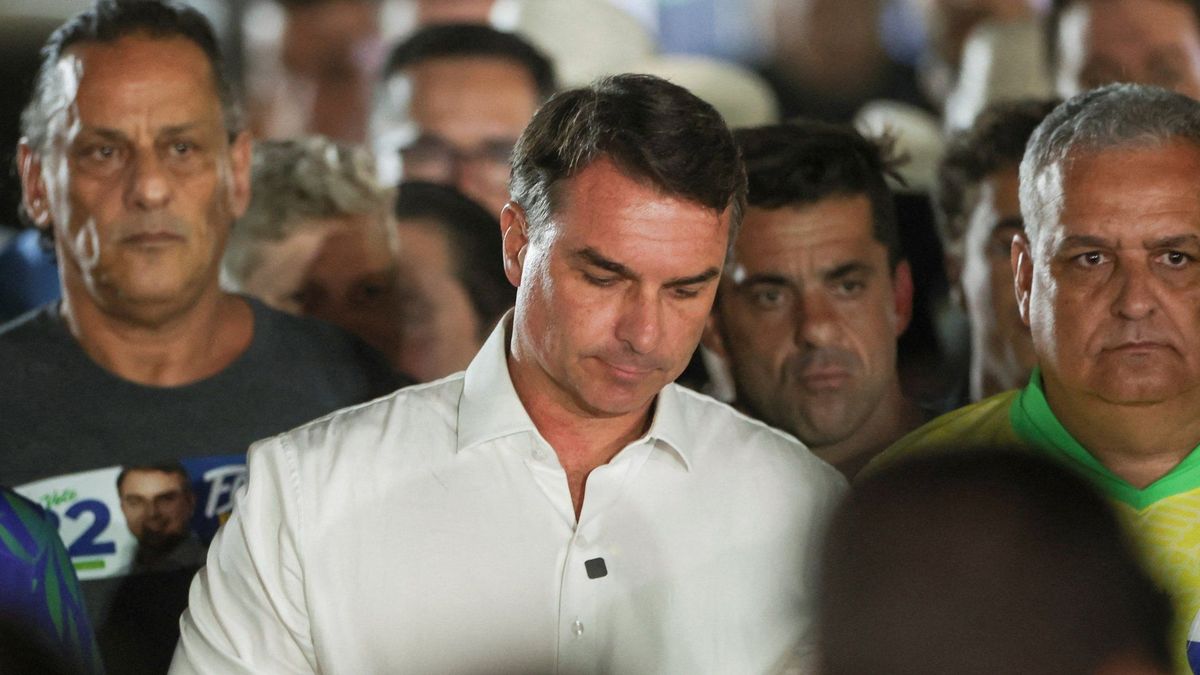
Former campaign manager Rogerio Marinho told reporters he never heard the senator discuss leaving the country. The senator in question, a close ally of former president Jair Bolsonaro, is alleged to have slipped out of Brazil for Florida shortly after Bolsonaro’s loss in the October 2026 presidential vote. The departure coincides with a mounting police investigation into alleged money‑laundering schemes tied to the former president’s inner circle. While the senator’s name has not been officially released, media outlets link the move to a broader effort to evade legal scrutiny.
Brazil’s post‑election landscape is a chessboard of competing interests. President Lula faces the task of consolidating a fragile coalition while signaling a break from the previous administration’s alleged corruption. At the same time, the judiciary, emboldened by recent high‑profile convictions, seeks to demonstrate independence by pursuing cases against Bolsonaro allies. The senator’s flight serves multiple strategic purposes: it removes a potential witness from domestic courts, signals to other embattled figures that exile remains an option, and tests the limits of Brazil’s extradition agreements with the United States. For the United States, granting safe haven to a politically exposed individual offers leverage in bilateral talks on trade, Amazon protection, and regional security, even as it risks domestic criticism over perceived favoritism.
Communities in the Amazonian states, already strained by deforestation policies of the previous government, now confront uncertainty over federal investment. The scandal diverts attention and resources away from infrastructure projects that many locals depend on for market access.
Federal employees, from tax auditors to social program administrators, experience heightened pressure as investigations expand. Morale drops when high‑profile figures appear to escape accountability, eroding trust in institutions meant to protect citizens.
Supporters of Bolsonaro view the senator’s departure as evidence of a politically motivated witch‑hunt, while Lula’s base sees it as confirmation of the previous regime’s corruption. This binary narrative fuels street protests, disrupts local economies, and hampers constructive dialogue on pressing issues like health care and education.
Official statements emphasize the rule of law and the president’s commitment to transparency, yet they downplay the role of international networks that facilitate political exile. Behind closed doors, diplomatic channels negotiate the terms of safe passage, often exchanging concessions on trade or security cooperation. Meanwhile, media coverage focuses on the sensational aspect of a flight, sidelining the systemic weaknesses that allow powerful individuals to exploit legal loopholes and offshore financial structures. The financial sector, for its part, quietly adjusts risk assessments, anticipating tighter anti‑money‑laundering regulations that could affect foreign investment flows.
Analysts will monitor upcoming court rulings on the senator’s alleged crimes, as they set precedents for future extradition requests. Watch for the emergence of organized exile networks that could aid other officials seeking refuge abroad, potentially straining Brazil‑U.S. relations. Finally, legislative proposals aimed at tightening campaign‑finance rules and closing offshore loopholes will indicate whether the government can translate public outrage into lasting institutional reform.
Exile offers protection from domestic prosecution and access to a legal system that can be more favorable for political figures, especially when bilateral ties allow for negotiated safe‑haven arrangements.
It complicates investigations by removing a potential witness, signals that powerful actors can evade accountability, and may undermine public confidence in anti‑corruption reforms.
Source referenced: ALJAZEERA
This brief was synthesized by our Editorial Engine and reviewed by The Ground Narrative team.


