TRENDING

Wednesday, 28 October 2026
----------------------
17 Jumada Al-Awwal 1448 AH
Record-breaking cash flows are flooding the 2026 US midterms, driven by PACs and opaque dark money. The surge rewrites the balance of power while ordinary voters bear the hidden costs.
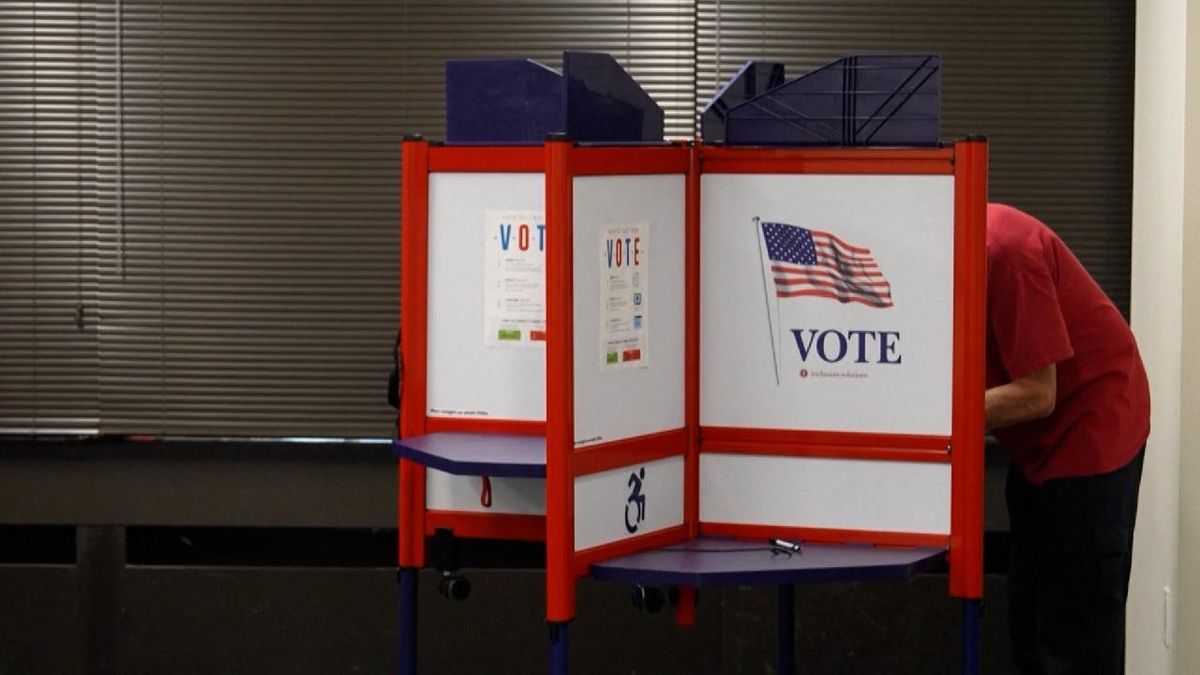
The 2026 United States midterm elections are on track to become the most expensive congressional contest in modern history. Within weeks of the November vote, campaign finance filings show billions of dollars funneled through political action committees (PACs) and untraceable "dark money" networks, dwarfing the total outlays of the 2022 cycle.
The flood of cash is not a spontaneous surge of civic enthusiasm; it is the product of a tightly woven financial architecture that rewards entrenched interests.
PACs, legally permitted to collect unlimited contributions from corporations, unions, and wealthy individuals, have become the primary conduit for large‑scale spending. Their ability to run coordinated ads, hire data firms, and purchase voter‑contact platforms creates a feedback loop: more money yields more sophisticated outreach, which in turn attracts additional donors seeking influence.
Unlike traditional PACs, dark money groups are not required to disclose donors. They operate through a maze of nonprofit shells—501(c)(4) social welfare organizations, 527 political groups, and shell corporations—allowing benefactors to hide behind legal anonymity. This opacity shields the identities of the most powerful contributors, ranging from tech giants to fossil‑fuel conglomerates, and lets them shape electoral outcomes without public scrutiny.
Both Democratic and Republican leadership structures have institutionalized a winner‑take‑all mindset. Congressional leaders allocate committee chairmanships, office space, and legislative priorities based on electoral performance. Consequently, they prioritize fundraising over constituency service, turning campaign success into a prerequisite for political survival.
The United States' fragmented media ecosystem amplifies the impact of money. Super‑PACs purchase airtime on cable news, stream ads on social platforms, and fund native‑style content that blurs the line between journalism and persuasion. The sheer volume of paid messaging crowds out independent reporting, making it harder for voters to discern fact from paid narrative.
Congressional committees that oversee campaign finance—most notably the House Committee on Oversight—are themselves staffed by members who rely heavily on the same fundraising pipelines they are meant to regulate. This creates a structural conflict of interest that stalls meaningful reform, ensuring the status quo persists.
While the headlines celebrate record‑breaking dollars, the real story unfolds in the lives of ordinary Americans whose voices are increasingly drowned out.
The deluge of targeted ads creates information overload, especially in swing districts where voters are bombarded with contradictory messages. Studies show that hyper‑personalized political advertising can erode trust in the electoral process, leading to lower turnout among marginalized groups who feel their concerns are reduced to data points.
Congressional offices, once community hubs for constituent assistance, now operate as fundraising outposts. Staff time is reallocated to donor outreach and event planning, leaving fewer resources for casework on Social Security, immigration, or disaster relief. Rural hospitals and small‑town schools feel the pinch when elected officials prioritize national fundraising trips over local hearings.
When campaign dollars flow disproportionately to incumbents and candidates with established donor networks, challengers—often from lower‑income backgrounds—struggle to compete. This perpetuates a political class that mirrors economic elites, limiting policy options that could address wage stagnation, affordable housing, or climate resilience.
Official narratives emphasize democratic participation and the right to free speech, but several critical dimensions remain hidden.
Companies that pour money into election cycles rarely disclose how their contributions align with policy outcomes. For instance, a major oil producer may fund candidates who oppose carbon‑pricing legislation, yet public statements focus on job creation. The causal link between campaign spending and legislative inertia on climate policy is systematically downplayed.
A quiet industry of data aggregators harvests personal information from social media, credit reports, and consumer purchases to build voter profiles. These firms sell hyper‑targeted lists to PACs, enabling micro‑targeted persuasion that bypasses traditional public debate. The ethical implications of weaponizing personal data for political gain are rarely addressed in official briefings.
Recent Supreme Court rulings have expanded the definition of protected speech, effectively insulating dark money groups from disclosure requirements. While the courts frame this as a defense of First Amendment rights, the practical effect is a veil that prevents voters from knowing who is attempting to sway their ballots.
The trajectory of this spending surge points to several flashpoints that will shape the next political cycle.
- Legislative Reform Attempts – Bills aimed at tightening disclosure rules for 501(c)(4) organizations are slated for committee debate. Their fate will indicate whether Congress can overcome its own conflict of interest.
- State‑Level Ballot Initiatives – Several states, including Colorado and Michigan, are preparing citizen‑initiated measures to cap PAC contributions and require real‑time donor transparency. Successful passage could create a patchwork of reforms that pressure federal action.
- Supreme Court Nominations – The upcoming appointment of a new Justice may tilt the balance on future campaign‑finance jurisprudence. Observers should track the nominee’s prior rulings on corporate speech.
- Technology Platform Policies – Social media giants are under congressional investigation for political ad transparency. New platform rules could limit the reach of dark‑money ads or require labeling that reveals funding sources.
- Grassroots Funding Movements – Small‑donor matching programs, like the recent "Democracy Dollars" pilot in Seattle, are gaining traction. Their scalability will test whether bottom‑up financing can counterbalance the top‑down money tsunami.
By monitoring these developments, citizens can gauge whether the record‑spending wave will recede or become the new normal for American democracy.
The rise is driven by unlimited contributions to PACs, the growth of dark‑money groups that hide donors, and a political system that rewards fundraising as a path to power.
Dark money refers to political spending by nonprofit entities that are not required to disclose donors. It lets wealthy interests influence outcomes without public accountability.
Several states are proposing donor‑transparency measures and contribution caps, while Congress debates bills to tighten disclosure rules for nonprofit political groups.
Source referenced: CGTN
This brief was synthesized by our Editorial Engine and reviewed by The Ground Narrative team.


