TRENDING

Friday, 16 October 2026
----------------------
5 Jumada Al-Awwal 1448 AH
US President Donald Trump's announcement that Israel and Hezbollah have agreed to dial back fighting marks a significant development in the escalating tensions between the two sides. The agreement comes as the US seeks to broker a ceasefire in the Iran war, with Lebanon playing a crucial role in the negotiations.
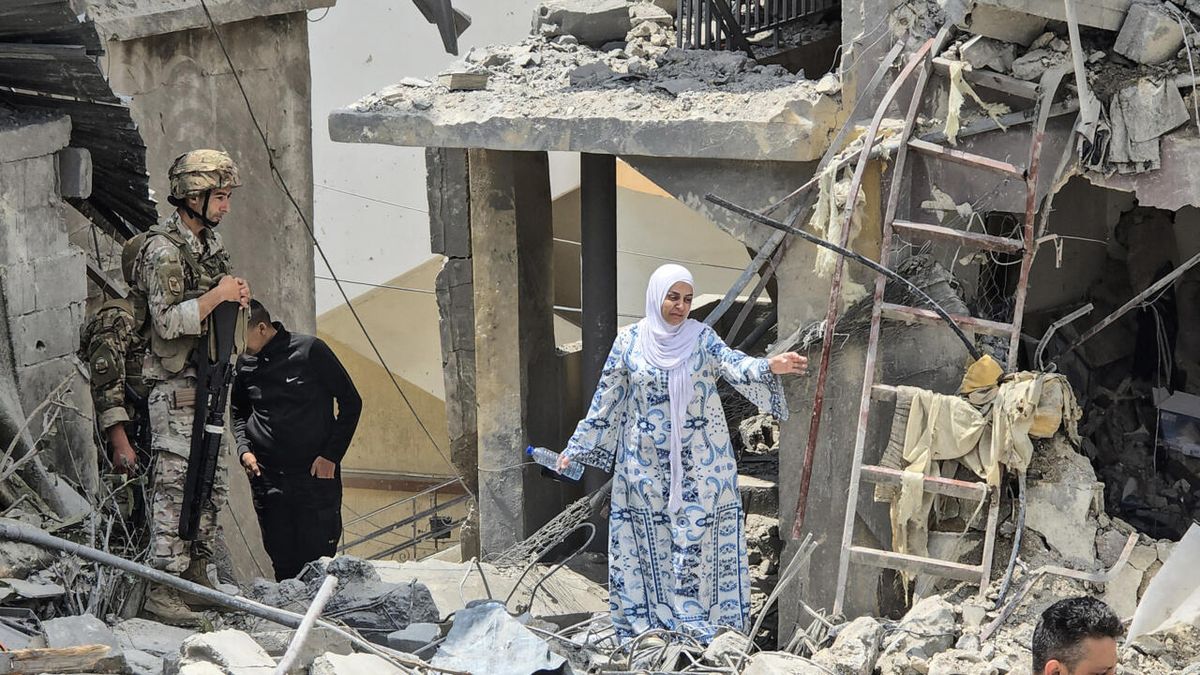
The recent escalation of tensions between Israel and Hezbollah has brought the region to the brink of a full-blown conflict. The conflict, which has been ongoing since mid-April, has resulted in the deaths of over 3,400 people in Lebanon and the displacement of over 1 million people.
The Israel-Hezbollah conflict has its roots in the 2006 war between Israel and Lebanon. The war, which was sparked by Hezbollah's capture of two Israeli soldiers, resulted in the deaths of over 1,000 people and the displacement of hundreds of thousands. Since then, tensions between the two sides have remained high, with periodic outbreaks of violence.
The current conflict began in mid-April, when Israel launched airstrikes against Hezbollah targets in Lebanon. Hezbollah responded with rocket attacks against Israeli cities, including Haifa and Tel Aviv. The conflict has since escalated, with both sides trading blows and neither side showing any signs of backing down.
US President Donald Trump has been actively engaged in efforts to broker a ceasefire between Israel and Hezbollah. Trump has spoken with Israeli Prime Minister Benjamin Netanyahu and Hezbollah leaders, urging them to dial back their military actions. Trump's efforts have been supported by the US State Department, which has been working to facilitate talks between the two sides.
On June 2, 2026, Trump announced that Israel and Hezbollah had agreed to dial back their military actions. The agreement, which was reached through indirect communication between the two sides, marks a significant development in the conflict. Trump's announcement was welcomed by the international community, with many leaders expressing hope that the agreement would lead to a lasting ceasefire.
The Israel-Hezbollah conflict has significant regional implications. The conflict has the potential to draw in other regional players, including Iran and Saudi Arabia. The conflict also has the potential to destabilize the region, with the possibility of a wider conflict breaking out.
The future consequences of the Israel-Hezbollah conflict are uncertain. If the conflict continues to escalate, it could lead to a wider conflict in the region. The conflict could also have significant humanitarian consequences, with the potential for widespread displacement and loss of life.
The Israel-Hezbollah conflict is a complex and deeply entrenched issue. The conflict has significant regional implications and the potential to destabilize the region. The US diplomatic efforts to broker a ceasefire are a welcome development, but the future consequences of the conflict remain uncertain.
* Israel: The Israeli government has been actively engaged in the conflict, launching airstrikes against Hezbollah targets and urging the international community to take action.
* Hezbollah: Hezbollah has been a key player in the conflict, responding to Israeli airstrikes with rocket attacks against Israeli cities.
* US: The US has been actively engaged in efforts to broker a ceasefire between Israel and Hezbollah, with President Trump speaking with Israeli Prime Minister Netanyahu and Hezbollah leaders.
* Iran: Iran has been a key player in the conflict, with the country's foreign minister urging the international community to take action to end the conflict.
* Saudi Arabia: Saudi Arabia has condemned Israel's actions in the conflict, urging the international community to prevent Israel from going deeper into Lebanon.
Source referenced: FRANCE24
This brief was synthesized by our Editorial Engine and reviewed by The Ground Narrative team.