TRENDING

Thursday, 15 October 2026
----------------------
4 Jumada Al-Awwal 1448 AH
Israel's capture of Beaufort Castle and expansion of ground operations in southern Lebanon have significant implications for regional stability and the Israeli-Hezbollah conflict.
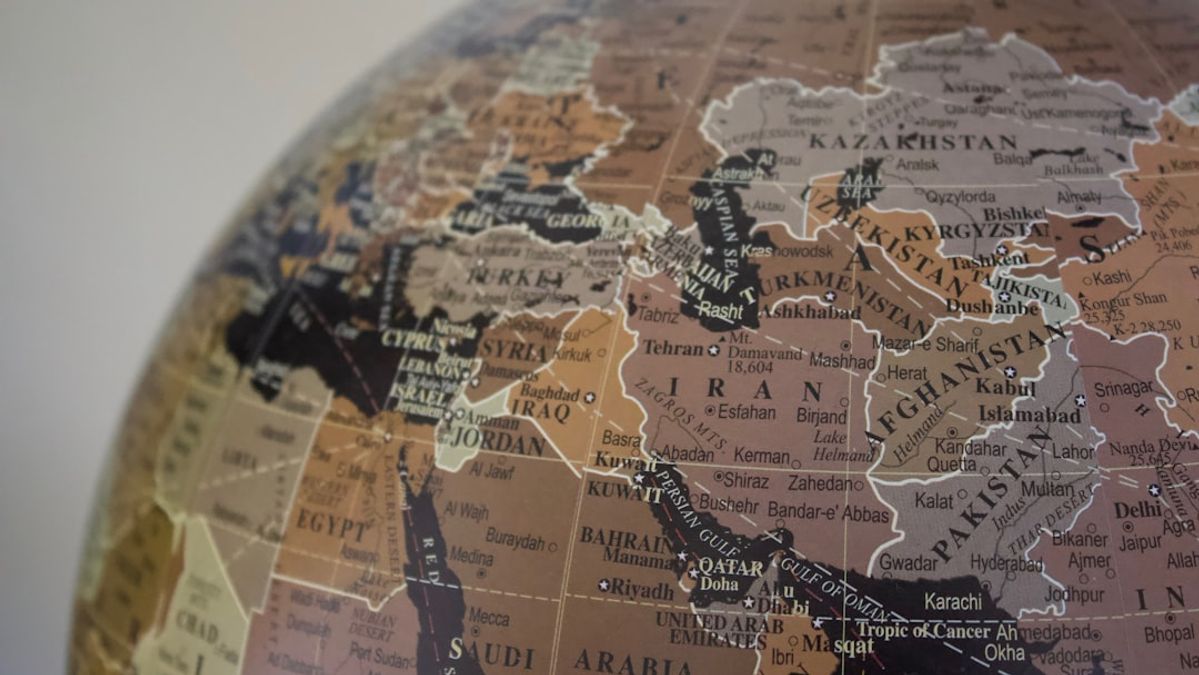
Israel's military has captured Beaufort Castle, a strategic fort in southern Lebanon, as part of its expanded ground operations against Hezbollah. This development marks a significant escalation in the Israeli-Hezbollah conflict, with far-reaching implications for regional stability.
Beaufort Castle has been a contested site for centuries, with various empires and armies vying for control. The Israeli military's capture of the castle is a symbolic victory, as it marks a significant milestone in Israel's efforts to assert its dominance in the region.
Israel's motivations for expanding its ground operations in Lebanon are multifaceted. The Israeli military is seeking to weaken Hezbollah's capabilities and disrupt its supply chains, which are largely dependent on Iranian support. By capturing key strategic locations, such as Beaufort Castle, Israel aims to gain a strategic advantage over Hezbollah and limit its ability to launch attacks against Israeli targets.
The Israeli-Hezbollah conflict has significant regional implications, with far-reaching consequences for Lebanon, Syria, and the broader Middle East. The conflict has already resulted in the deaths of over 3,300 people, with many more displaced or injured. The ongoing violence has also strained relations between Lebanon and Israel, with both countries accusing each other of violating the ceasefire.
The international community has been watching the conflict with growing concern, with France requesting a meeting of the United Nations Security Council to discuss the Israeli military operations. The United States has also been involved in efforts to broker a ceasefire, but so far, these efforts have been unsuccessful.
The capture of Beaufort Castle and Israel's expanded ground operations in Lebanon have significant implications for the future of the conflict. If Israel continues to push deeper into Lebanese territory, it may lead to further escalation and increased violence. Conversely, if Hezbollah is able to regroup and launch a counterattack, it could lead to a wider conflict involving other regional actors.
The Israeli-Hezbollah conflict is a complex and multifaceted issue, with far-reaching implications for regional stability and global security. The capture of Beaufort Castle and Israel's expanded ground operations in Lebanon mark a significant escalation in the conflict, with significant consequences for the future of the region.
Editor's Note: The analysis is based on publicly available information and may not reflect the full range of motivations and strategies involved in the conflict.
Source referenced: ALJAZEERA
This brief was synthesized by our Editorial Engine and reviewed by The Ground Narrative team.