TRENDING

Friday, 16 October 2026
----------------------
5 Jumada Al-Awwal 1448 AH
The past week witnessed profound geopolitical shifts, notably the funeral of Iran's 'slain' Supreme Leader Ayatollah Ali Khamenei, signaling a potential succession crisis, alongside Marine Le Pen's clearance to run for the French presidency, reshaping European political dynamics. These events unfold amidst escalating climate crises and persistent international tensions.
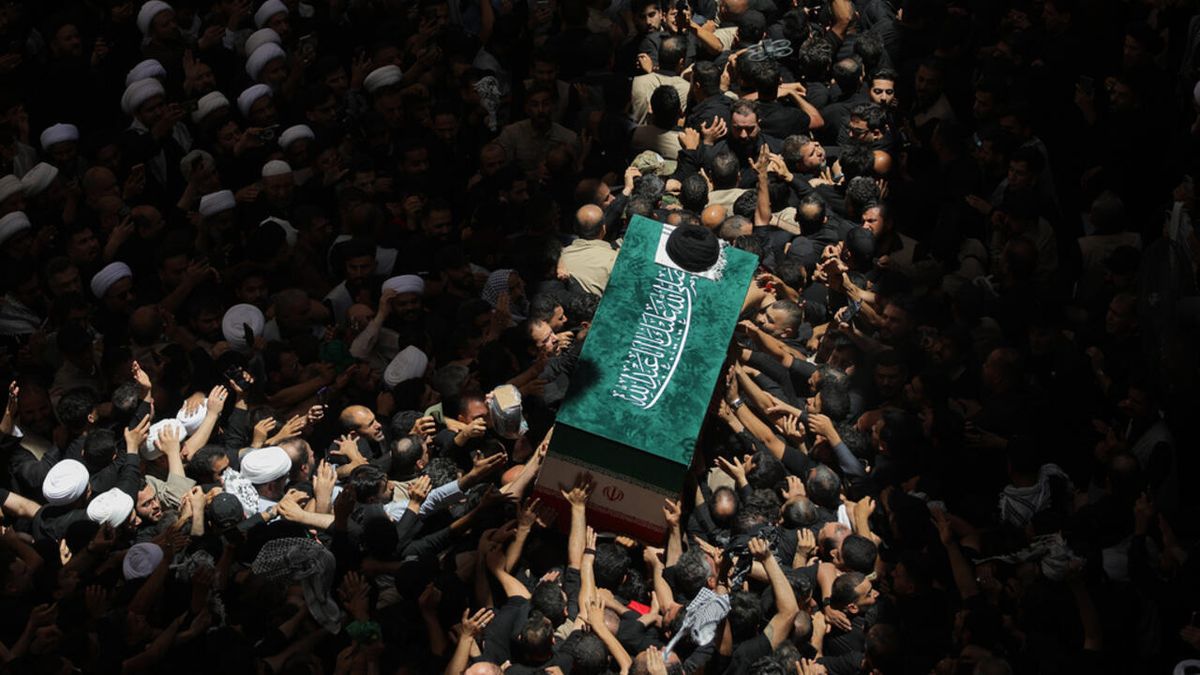
The past week has been marked by a confluence of significant global events, ranging from a critical leadership transition in the Middle East to shifting political landscapes in Europe and escalating humanitarian and environmental crises across the Americas. These developments collectively underscore a period of heightened geopolitical instability, power realignments, and pressing global challenges.
The most profound geopolitical development of the week centered on Iran, which held days-long funeral ceremonies for its "slain supreme leader Ayatollah Ali Khamenei." The explicit mention of Khamenei being "slain" suggests a violent or targeted death, a detail that, if confirmed, would represent a monumental event with far-reaching implications for regional stability and global security. The ceremonies, which commenced in Tehran on July 5, 2026, and included a procession to the Imam Ali Shrine in Najaf, Iraq, before returning to Iran for burial, highlight the deep religious and political ties between the two nations and Iran's enduring influence in the broader Shiite world. The death of a Supreme Leader, particularly under such circumstances, immediately triggers a complex and potentially contentious succession process within Iran's intricate political and religious hierarchy. This transition could lead to internal power struggles, shifts in foreign policy, and a re-evaluation of Iran's nuclear program and regional proxy networks. The appearance of a banner depicting former US President Donald Trump during the Tehran ceremonies further underscores the deep-seated anti-American sentiment prevalent among certain factions and the enduring legacy of US-Iran tensions, even amidst a leadership crisis.
In France, the political landscape saw a significant development with far-right leader Marine Le Pen being cleared to run in next year's presidential election, despite an appeals court upholding her embezzlement conviction. This decision paves the way for Le Pen's continued prominence in French politics, signaling a potential resurgence for the far-right movement. Her candidacy could profoundly impact the future direction of France, a key member of the European Union, potentially influencing EU cohesion, immigration policies, and international relations. The political development unfolds as France, like much of Europe, grapples with severe environmental challenges. The nation experienced yet another heatwave, threatening to disrupt major events like the Tour de France and exacerbating a worsening drought, particularly evident in the sandbanks of the Loire River. Similarly, southern Spain was ravaged by deadly wildfires in Almeria province, claiming at least 12 lives, including several foreigners. These environmental crises underscore the escalating impact of climate change on European societies, straining emergency services, public health, and economic sectors.
Across the Americas, several critical events unfolded, highlighting both humanitarian disasters and persistent political tensions. Venezuela was struck by devastating earthquakes that claimed at least 4,000 lives in La Guaira, leaving widespread destruction and exacerbating the country's already fragile economic and social infrastructure. The scale of this natural disaster will undoubtedly place immense pressure on Venezuela's government and could necessitate significant international humanitarian aid, potentially opening avenues for diplomatic engagement or further highlighting the country's isolation. Meanwhile, Cuba continued to experience recurrent power outages, attributed to a "de facto oil blockade imposed by the Trump administration." This situation underscores the ongoing humanitarian impact of US sanctions policy on the Cuban populace, contributing to economic hardship and social unrest. In the United States, a shooting involving an ICE officer in Houston, which resulted in the death of Lorenzo Salgado Araujo, sparked public outrage and renewed scrutiny of the Trump administration's immigration crackdown. This incident highlights the contentious nature of US immigration policy and its domestic social and political ramifications, which often resonate internationally through human rights concerns and border relations.
The week's events paint a picture of a world in flux, grappling with complex geopolitical transitions, the rise of populist political forces, and the intensifying effects of climate change. The potential succession crisis in Iran, particularly if linked to a violent death, stands as a major flashpoint with global ramifications. Concurrently, the political trajectory of France, the humanitarian crises in Venezuela and Cuba, and the domestic tensions in the US all contribute to a global narrative of uncertainty and evolving challenges. These developments collectively demand sustained international attention and coordinated responses to mitigate instability and address pressing public-interest concerns.
Editor's Note: The article explicitly states 'slain supreme leader Ayatollah Ali Khamenei.' This analysis proceeds with that premise, acknowledging its profound implications for Iran and global stability.
Source referenced: FRANCE24
This brief was synthesized by our Editorial Engine and reviewed by The Ground Narrative team.