TRENDING

Friday, 16 October 2026
----------------------
5 Jumada Al-Awwal 1448 AH
Iran's monthslong internet shutdown has ended, but users face heavy restrictions and widespread disruptions, raising concerns about the country's economic and social stability.
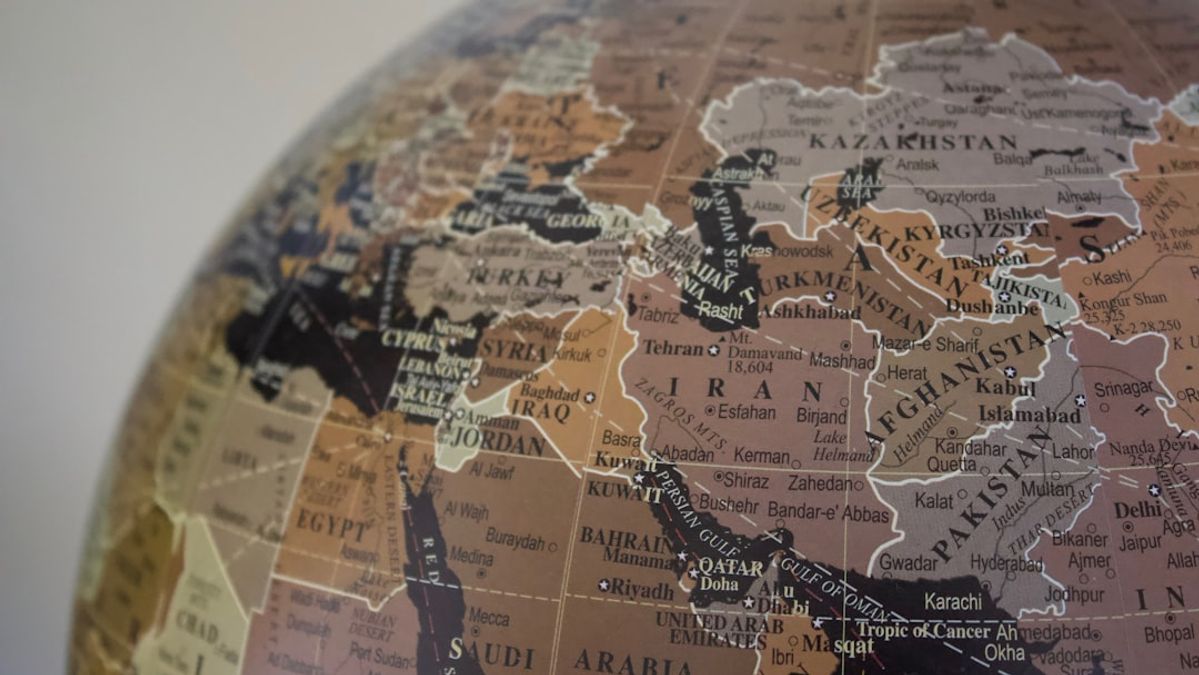
Iran's decision to shut down the internet for a month has been lifted, but the consequences of this strategic move are far-reaching and multifaceted. The shutdown, which was imposed in January during mass anti-government protests, was justified by the government as a military imperative after the United States and Israel attacked Iran on February 28.
Why it matters: The internet shutdown has had a devastating impact on Iran's economy, with estimated daily losses of $30-40 million and indirect losses likely twice that amount. The shutdown has also affected the livelihoods of millions of people, with around 10 million jobs dependent on internet connectivity. The prolonged outage has caused widespread disruptions, with users facing slow and spotty service, and apps like YouTube and Instagram heavily restricted.
Historical context: Iran's internet shutdown is one of the longest and strictest national shutdowns in the world, with a duration of over four months. The shutdown has been criticized for its impact on the economy, with prices spiking during the outage, and the cost of virtual private networks (VPNs) soaring, making them unaffordable for many.
Regional implications: The internet shutdown has had significant regional implications, with neighboring countries and international organizations expressing concern about the impact on Iran's economy and social stability. The shutdown has also raised questions about the country's commitment to human rights and freedom of expression.
Future consequences: The future consequences of Iran's internet shutdown are uncertain, but it is likely that the country will face significant economic and social challenges in the coming months. The shutdown has already caused widespread disruptions, and the slow return to service is likely to exacerbate these challenges. The government's decision to lift some restrictions on internet access is a positive step, but it is unclear whether this will be enough to mitigate the damage caused by the shutdown.
Who: The Iranian government, led by President Ebrahim Raisi, has been responsible for the internet shutdown. The government has justified the shutdown as a military imperative, but critics argue that it is a strategic move to suppress dissent and maintain control over the population.
What: The internet shutdown has resulted in widespread disruptions, with users facing slow and spotty service, and apps like YouTube and Instagram heavily restricted. The shutdown has also had a devastating impact on Iran's economy, with estimated daily losses of $30-40 million and indirect losses likely twice that amount.
When: The internet shutdown was imposed in January during mass anti-government protests, and was lifted on May 26, 2026.
Where: The shutdown has affected Iran, with users facing widespread disruptions and restrictions on internet access.
Why: The government has justified the shutdown as a military imperative, but critics argue that it is a strategic move to suppress dissent and maintain control over the population.
How: The shutdown was implemented through a combination of technical and administrative measures, including the blocking of internet access and the restriction of apps like YouTube and Instagram.
Iran's internet shutdown has been a strategic gamble with significant economic and social consequences. The shutdown has had a devastating impact on the country's economy, and has affected the livelihoods of millions of people. The government's decision to lift some restrictions on internet access is a positive step, but it is unclear whether this will be enough to mitigate the damage caused by the shutdown. The future consequences of the shutdown are uncertain, but it is likely that Iran will face significant economic and social challenges in the coming months.
Editor's Note: The analysis is based on publicly available information and may not reflect the full extent of the shutdown's impact on Iran's economy and social stability. Further research and analysis are needed to fully understand the consequences of the shutdown.
Source referenced: NPR
This brief was synthesized by our Editorial Engine and reviewed by The Ground Narrative team.


