TRENDING

Tuesday, 27 October 2026
----------------------
16 Jumada Al-Awwal 1448 AH
Iran is set to receive hundreds of Chinese-made shoulder-launched air-defense missile systems, a move aimed at strengthening its short-range air defenses amidst ongoing conflict with the United States and Israel. This procurement highlights deepening military ties between Tehran and Beijing and underscores the challenges to international sanctions regimes.
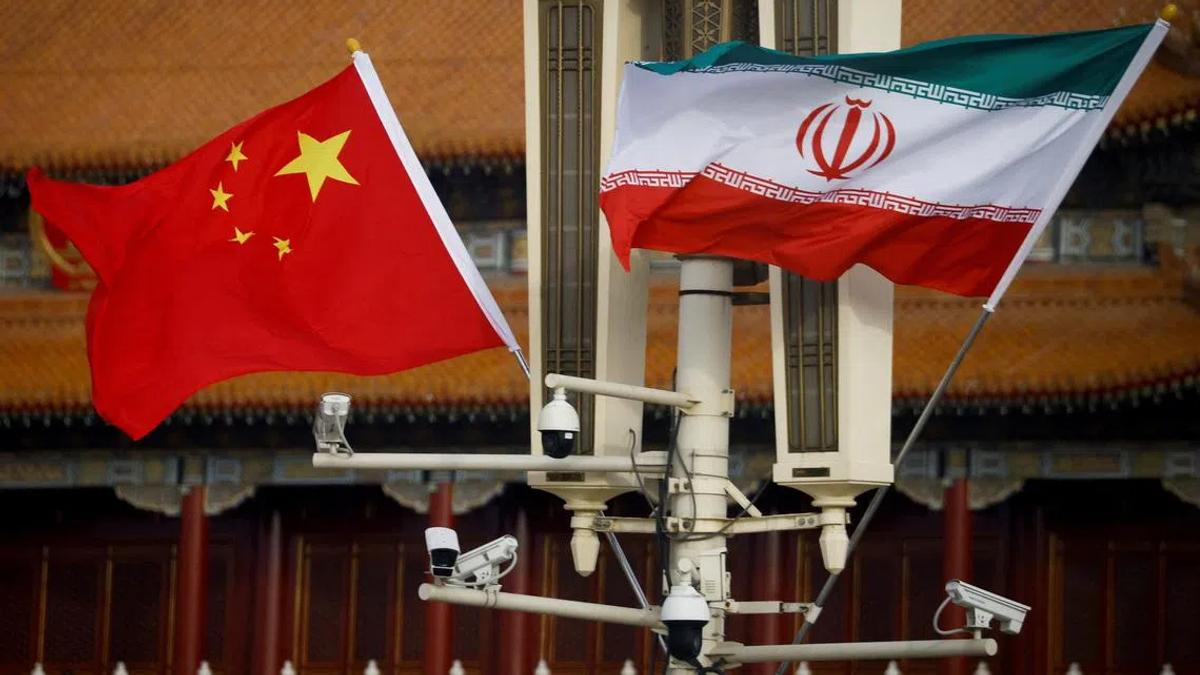
In a significant development for regional security dynamics, Iran is reportedly on the cusp of receiving a substantial shipment of Chinese-made shoulder-launched air-defense missile systems (MANPADS). Sources familiar with the deal indicate that Tehran expects to take delivery of up to 400 QW-12 and FN-16 missile systems within weeks, a purchase valued at an estimated US$60-70 million. This acquisition represents one of Iran's most considerable efforts to enhance its short-range air defense capabilities since the outbreak of its conflict with the United States and Israel, which has exposed critical vulnerabilities in its existing defense infrastructure.
The decision to procure these man-portable systems comes after months of intense fighting, during which US and Israeli forces reportedly targeted Iranian missile, drone, and air-defense facilities. These engagements underscored the limitations of Iran's fixed military and strategic sites against advanced aircraft and precision-guided munitions. Military experts emphasize that MANPADS offer crucial advantages: their mobility allows for rapid deployment by small teams, and their ability to be frequently relocated makes them significantly less vulnerable to pre-emptive strikes compared to static air-defense batteries. The QW-12 and FN-16 systems are specifically designed to engage low-flying aircraft, helicopters, and drones, providing a critical layer of protection around sensitive installations such as military bases and energy infrastructure.
This rearmament drive is particularly pertinent given the current geopolitical climate. While a ceasefire has been in theoretical effect since April, US President Donald Trump has indicated that strikes could resume if negotiations fail to resolve the five-month-old conflict. In this context, the acquisition of hundreds of MANPADS is a clear strategic move by Iran to bolster its defensive posture and potentially deter future aerial incursions, thereby complicating the operational calculus for its adversaries.
The alleged deal also casts a spotlight on the deepening military and strategic ties between China and Iran. Despite international sanctions and restrictions on defense-related imports, Beijing appears willing to act as a key supplier for Tehran's military modernization efforts. The contract was reportedly signed with Zhongqing Baoshang International Investment, a Hong Kong-based company acting as an intermediary for the Chinese supplier. While China's Foreign Ministry has publicly denied the reports, stating they are "completely groundless" and that Beijing consistently promotes peace, the transaction, if confirmed, would underscore China's growing role as an alternative arms provider on the global stage, potentially challenging the efficacy of Western-led sanctions regimes.
The proposed delivery mechanism, initially by air from Urumqi in western China, with a transit through Pakistan, adds another layer of geopolitical complexity. Pakistan's military public relations wing, ISPR, has vehemently denied any involvement in the supply of air defense weapons to Iran from China, labeling such speculations as "absolutely concocted and false." However, the exploration of such transit routes, including potential overland options, highlights the intricate networks employed to circumvent international scrutiny and facilitate sensitive military transfers.
The influx of advanced MANPADS into Iran's arsenal carries significant regional implications. It could alter the tactical balance in the Middle East, making the operational environment more hazardous for low-altitude air assets. This enhancement of Iran's defensive capabilities might lead to a more complex and potentially escalatory security landscape, as adversaries may need to adapt their strategies or consider more aggressive tactics to counter the improved Iranian air defenses.
Furthermore, this procurement is not an isolated incident but rather indicative of a broader trend. Reuters previously reported on Iran's efforts to secure a separate agreement with China for anti-ship cruise missiles, suggesting a comprehensive and expanding military partnership. Such deepening cooperation between China and Iran, two nations often at odds with Western powers, signifies a recalibration of alliances and a potential shift in global power dynamics. It also presents a persistent challenge to the international community's efforts to curb Iran's military development through sanctions, demonstrating Tehran's continued reliance on a combination of domestic production and strategic foreign partnerships to meet its defense needs.
In conclusion, Iran's acquisition of Chinese MANPADS is a multifaceted development with far-reaching consequences. It addresses critical gaps in Iran's air defense, strengthens its strategic partnership with China, and poses significant questions about regional stability and the effectiveness of international sanctions in a multipolar world.
Source referenced: STRAITSTIMES
This brief was synthesized by our Editorial Engine and reviewed by The Ground Narrative team.