TRENDING

Thursday, 22 October 2026
----------------------
11 Jumada Al-Awwal 1448 AH
An Indian activist's hunger strike has ended, but student-led protests demanding accountability for leaked medical entrance exam papers continue to escalate nationwide, posing the most significant youth challenge to Prime Minister Narendra Modi's government since 2014. The demonstrations highlight deep-seated frustrations among young Indians regarding systemic issues like job shortages and governance failures.
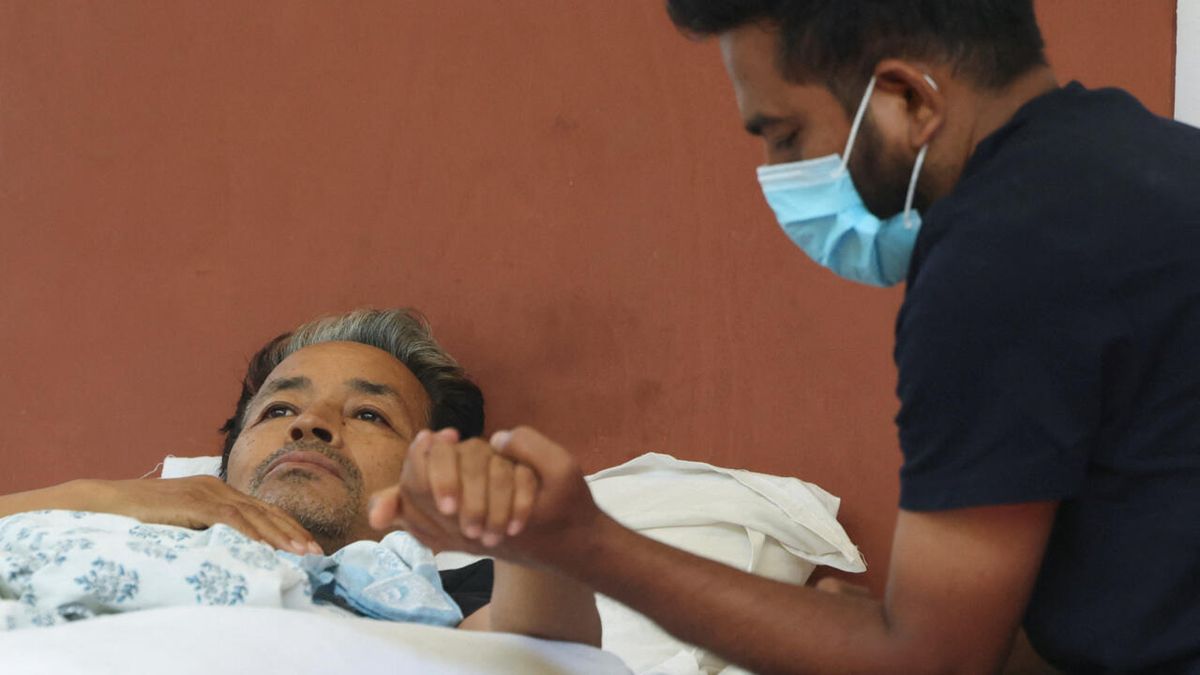
Indian activist Sonam Wangchuk concluded a 26-day hunger strike on Friday, July 24, 2026, following discussions with federal ministers. However, his decision has not quelled the widespread student-led protests that have gripped India, demanding the resignation of Education Minister Dharmendra Pradhan and comprehensive reforms in the national examination system. These demonstrations, primarily spearheaded by the self-named Cockroach Janta Party (CJP) movement, represent the most substantial youth-led challenge to Prime Minister Narendra Modi's government since he assumed power in 2014.
The catalyst for this national unrest is the alleged leak of medical school entrance exam papers in May, which reportedly affected approximately two million students and has been linked to several student suicides. Protesters assert that these leaks facilitated widespread cheating, undermining the integrity of a crucial pathway to higher education and professional careers. The CJP, founded by Abhijeet Dipke, has vowed to continue its agitation until Minister Pradhan steps down, rejecting Prime Minister Modi's initial proposal for special courts to prosecute those behind the leaks as an insufficient response to the systemic problem.
The protests, initially concentrated in New Delhi, particularly around the Jantar Mantar protest site, have rapidly spread to other major cities including Ranchi, Pune, Thiruvananthapuram, and Kolkata. Tens of thousands of people have participated in marches, with a significant demonstration on Monday seeing protesters attempt to march on parliament. These gatherings have been met with substantial security deployments, leading to clashes where police reportedly used tear gas and batons against demonstrators, while some protesters allegedly threw stones and plastic bottles at officers.
In response to the escalating situation, authorities in Delhi have implemented restrictive measures. These include the closure of 16 metro rail stations in central areas and the blocking of mobile internet services, which not only impacted protesters but also disrupted digital payments for local businesses. Offices and businesses in the bustling Connaught Place central business district were also asked to shut down early. Human rights groups have widely criticized these measures, viewing them as attempts to curb dissent and prevent further outbreaks of violence.
Prime Minister Modi, in his first public comments on the crisis, acknowledged the gravity of the situation, stating that "Nothing is more important than the welfare and future of our youth!" He initially proposed setting up special courts to expedite the prosecution of those involved in the leaks and later promised stricter action against such incidents following a cabinet meeting. However, the CJP and other student groups have largely dismissed these proposals, arguing that they fail to address the root causes of frequent exam leaks and the broader issues of systemic corruption and governance.
The ongoing protests transcend the immediate issue of exam paper leaks, tapping into deeper veins of frustration among India's vast youth population. The article explicitly links the movement's surge in popularity to widespread discontent over issues such as job shortages and the recurring problem of exam leaks, which undermine meritocracy and social mobility. For a nation with one of the world's largest youth demographics, the inability to secure fair opportunities in education and employment poses a significant long-term challenge to social stability and economic development.
From a geopolitical perspective, the sustained youth-led challenge to the Modi government signals potential shifts in India's domestic political landscape. The involvement of opposition parties, who have echoed the youth movement's demands and disrupted parliamentary sessions, further amplifies the political pressure on the ruling administration. The crisis also draws attention to the state of democratic freedoms and the right to peaceful assembly in India, particularly given the government's use of internet shutdowns and police action against protesters. The support from prominent Bollywood stars, including Salman Khan, Alia Bhatt, and Kareena Kapoor, underscores the broad societal resonance of the students' grievances.
This crisis highlights the critical importance of transparent and equitable governance in India's education sector, which is vital for nurturing human capital and maintaining public trust. The government's handling of these protests and its ability to implement meaningful reforms will be closely watched, as it could have lasting implications for its legitimacy, social cohesion, and the future trajectory of India's democratic institutions.
Source referenced: FRANCE24
This brief was synthesized by our Editorial Engine and reviewed by The Ground Narrative team.


