TRENDING

Friday, 18 September 2026
----------------------
7 Rabi' Al-Thani 1448 AH
A French police officer was detained for allegedly planning attacks and 3D‑printing weapons, exposing how far‑right extremism can infiltrate state security forces and what it means for public trust.
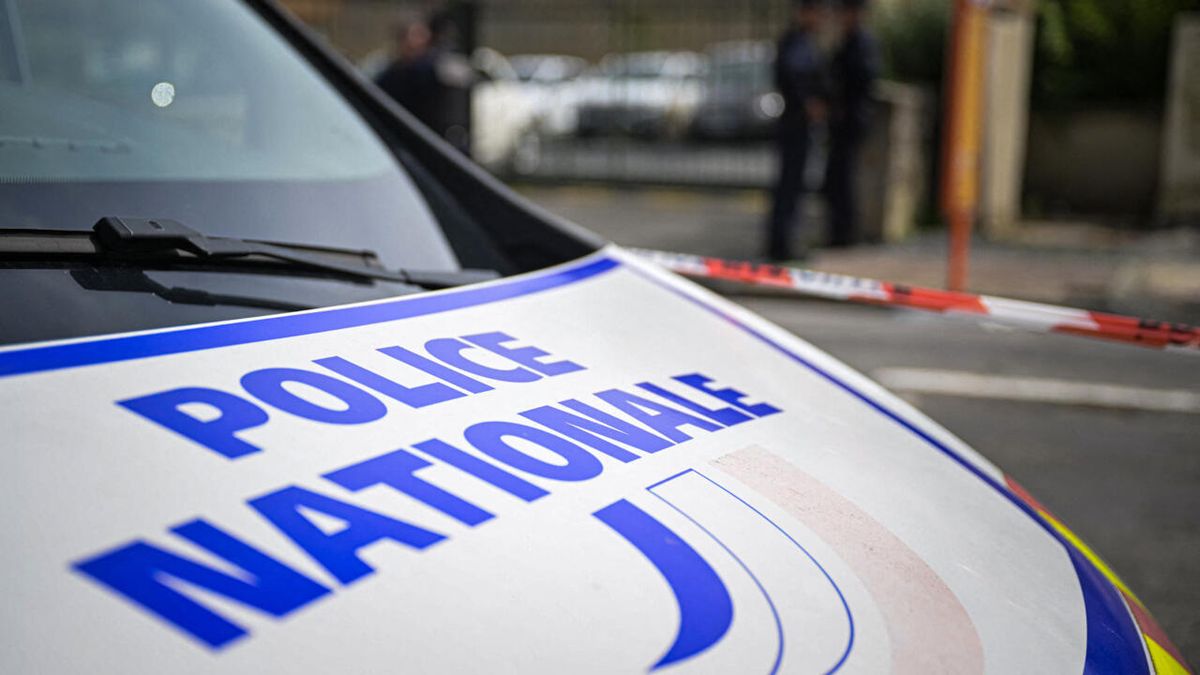
A 35‑year‑old French police officer was arrested on August 23 on suspicion of plotting violent attacks against the state and of manufacturing 3D‑printed firearms. The investigation, reported by AFP and TF1/LCI, also links him to incitement of terrorism on social media.
The case sits at the intersection of three structural forces. First, the far‑right’s growing political legitimacy—embodied by Marine Le Pen’s bid for the presidency—creates a feedback loop where extremist rhetoric finds a broader audience and, in some instances, recruits within state institutions. Second, the police hierarchy’s internal culture still wrestles with past scandals of racist conduct, suggesting gaps in vetting and monitoring that can allow radical ideologies to fester unnoticed. Third, emerging manufacturing technologies like desktop 3D printers lower the barrier for illicit weapon production, offering a cheap, decentralized means for lone actors to arm themselves without traditional supply chains. Together, these dynamics give extremist actors both ideological cover and practical tools, while the state’s response is constrained by the need to protect institutional legitimacy and avoid fueling a political narrative that the far‑right can exploit.
The immediate human cost is unevenly distributed. Communities targeted by far‑right hate—immigrants, Muslims, LGBTQ + people—face heightened fear that state protectors may share their prejudice. Trust in the police, already strained after prior incidents of racist remarks, erodes further, potentially discouraging cooperation with law‑enforcement and compromising public safety. The officer’s own family confronts stigma and legal uncertainty, while the broader police workforce must bear the burden of intensified scrutiny and possible punitive reforms that could affect morale and career prospects.
Official statements emphasize the individual nature of the crime, downplaying systemic factors. What receives less attention is the lack of a comprehensive audit of extremist sympathies within the force and the political calculus of parties like the RN, which may benefit from portraying the incident as an isolated “bad apple” while simultaneously normalising hard‑line rhetoric. Media coverage also skirts the role of digital platforms that enable rapid radicalisation and weapon‑design sharing, sidestepping the responsibility of tech companies and the state’s regulatory lag.
Watch for three developments. 1) Judicial outcomes: the trial will set precedents on how French law treats extremist activity by security personnel, influencing future prosecutions. 2) Political fallout: the RN’s electoral strategy may either distance itself from the scandal to preserve mainstream appeal or double‑down on law‑and‑order narratives that justify harsher policing. 3) Policy responses: proposals to tighten oversight of police recruitment, introduce mandatory extremism‑risk assessments, and regulate 3D‑printing of weapon components could reshape the security landscape. The interplay of these threads will determine whether France can restore confidence in its police or see a deeper entanglement of far‑right ideology within state structures.
Source referenced: FRANCE24
This brief was synthesized by our Editorial Engine and reviewed by The Ground Narrative team.