TRENDING

Friday, 16 October 2026
----------------------
5 Jumada Al-Awwal 1448 AH
A former senior adviser for the Federal Reserve Board of Governors was sentenced to 38 months in prison for lying about sharing confidential data with Chinese intelligence agents, highlighting US vulnerabilities in the face of Chinese espionage.
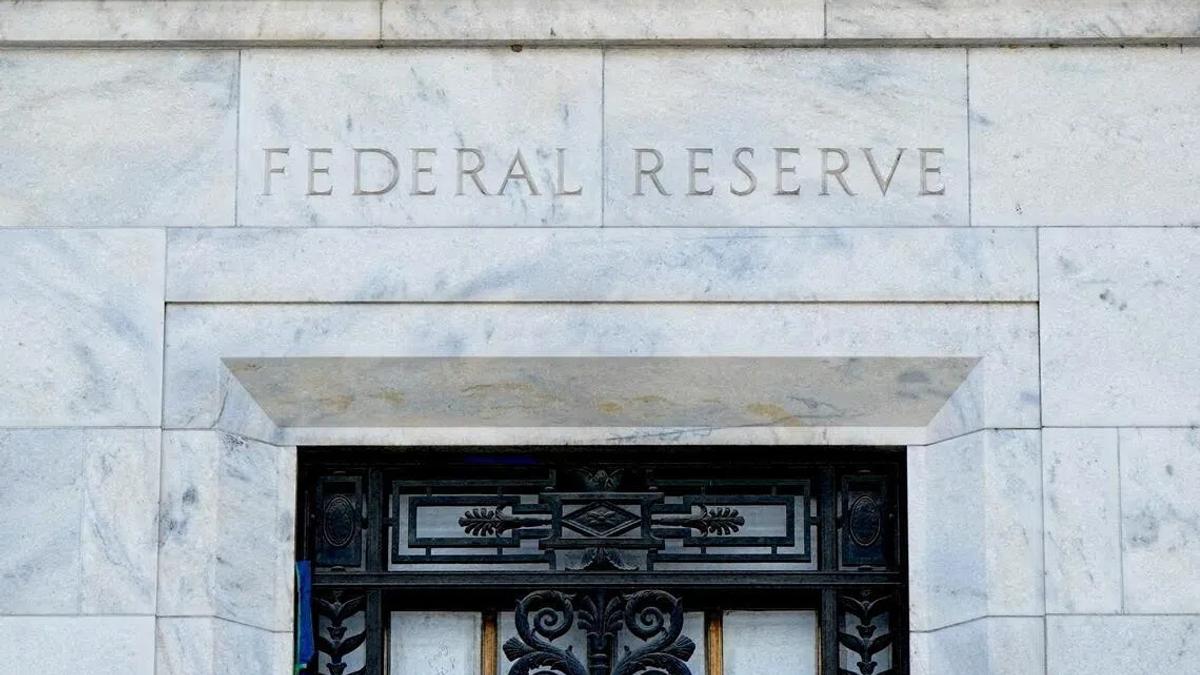
The sentencing of John Harold Rogers, a former senior adviser for the Federal Reserve Board of Governors, to 38 months in prison for lying about sharing confidential data with Chinese intelligence agents has significant implications for US national security and economic stability.
Rogers' actions, which involved secretly providing sensitive data to Chinese operatives from 2013 to 2023, were motivated by financial gain and academic opportunities in China. This highlights the vulnerability of US institutions and individuals to Chinese espionage, particularly in the realm of economic policy.
The case is part of a larger pattern of Chinese espionage targeting the US, with numerous instances of Chinese hackers and intelligence agents infiltrating US research facilities, universities, and government agencies. The Chinese government's efforts to acquire sensitive information on US economic policy and national security have been ongoing for years.
The Rogers case exposes the risks of Chinese espionage to US economic stability, particularly in the realm of Treasury securities trading. The Chinese government's ability to acquire advance knowledge of Federal Reserve interest rate decisions could generate enormous profits trading US Treasury securities, which could have significant implications for global financial markets.
The sentencing of Rogers serves as a warning to other US institutions and individuals who may be vulnerable to Chinese espionage. It also highlights the need for increased vigilance and cooperation between US government agencies and institutions to prevent similar cases in the future.
The Rogers case matters because it exposes the vulnerability of US institutions and individuals to Chinese espionage, particularly in the realm of economic policy. It also highlights the need for increased cooperation and vigilance between US government agencies and institutions to prevent similar cases in the future.
Editor's Note: The analysis is based on publicly available information and may not reflect the full extent of the case or its implications.
Source referenced: STRAITSTIMES
This brief was synthesized by our Editorial Engine and reviewed by The Ground Narrative team.