TRENDING

Friday, 16 October 2026
----------------------
5 Jumada Al-Awwal 1448 AH
Europe, the world's fastest-warming continent, is grappling with an unprecedented surge in extreme weather events, from record temperatures and wildfires to hailstorms and tornadoes. This escalating climate crisis poses profound geopolitical, economic, and social challenges, demanding urgent and coordinated strategic responses.
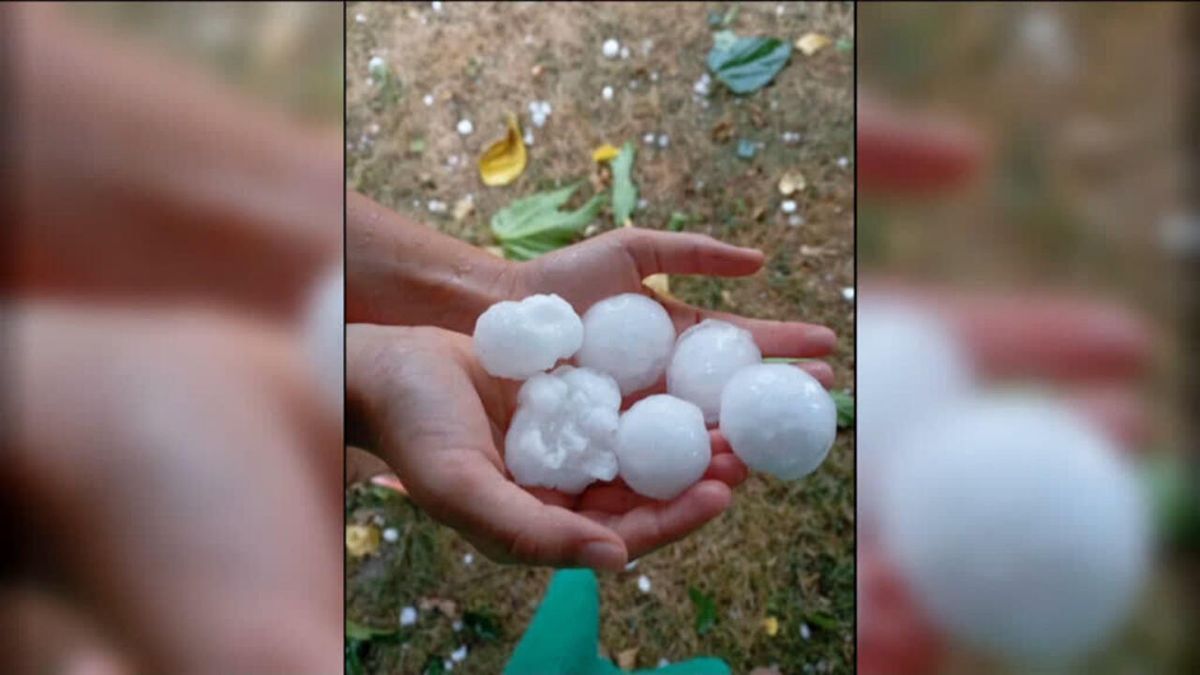
Europe is currently experiencing a summer marked by an alarming escalation of extreme weather phenomena, including record-breaking temperatures, devastating wildfires, severe hailstorms, and destructive tornadoes. This surge in climatic volatility underscores a critical geopolitical challenge, as scientific consensus increasingly links these events to anthropogenic climate change, noting that Europe is warming at a faster rate than any other continent globally. The implications extend far beyond environmental concerns, touching upon economic stability, social cohesion, political governance, and regional security.
Across the European continent, populations are contending with the immediate and tangible consequences of these climatic shifts. From the Mediterranean basin, which has seen extensive wildfires ravage forests and communities, to central and northern regions experiencing uncharacteristic hailstorms and tornadoes, the breadth of impact is significant. These events, occurring throughout the current summer of 2026, are not isolated incidents but rather manifestations of a broader trend. Scientists emphasize that while no single weather event can be solely attributed to climate change, the overall frequency and intensity of such extremes are undeniably amplified by a warming planet. Europe's accelerated warming rate, a critical factor, means that the continent is on the front lines of climate impact, making adaptation and mitigation efforts particularly urgent.
The economic toll of these extreme weather events is substantial and multifaceted. Agricultural sectors across Europe face significant crop losses due to droughts, heatwaves, and sudden severe storms, threatening food security and increasing commodity prices. The tourism industry, a vital economic pillar for many European nations, is also vulnerable, with destinations becoming less appealing or even inaccessible during peak seasons due to extreme heat or natural disasters. Furthermore, the cost of rebuilding infrastructure, providing emergency services, and managing public health crises – from heatstroke to respiratory issues caused by wildfire smoke – places immense strain on national budgets. Insurance markets are also feeling the pressure, with rising claims and increasing premiums potentially impacting economic stability.
Socially, the crisis exacerbates existing vulnerabilities. Heatwaves disproportionately affect elderly populations and those with pre-existing health conditions, leading to increased mortality rates. Displacement due to wildfires or floods can create internal migration pressures, straining social services and potentially leading to social unrest if communities feel inadequately protected or supported. The psychological impact of repeated exposure to climate disasters also represents a growing public health concern, contributing to anxiety and stress among affected populations.
From a geopolitical perspective, the escalating climate crisis in Europe presents several critical challenges. Governments face mounting pressure from their electorates to implement effective climate policies, balancing the urgent need for action with economic realities and potential political backlash. This can lead to increased political polarization, both within nations and across the European Union, as member states grapple with differing priorities and capacities for climate action. The need for cross-border cooperation in disaster response, such as coordinated firefighting efforts or shared water management strategies, becomes more critical but also potentially more contentious as resources become scarcer.
Moreover, climate change can act as a threat multiplier, exacerbating existing geopolitical tensions. Resource scarcity, particularly water, could become a source of friction between nations sharing river basins. Climate-induced migration, both internal and from outside Europe, could place additional strain on border management and integration policies, potentially fueling populist narratives and challenging the continent's social fabric. While not directly leading to interstate conflict, the cumulative stress of climate impacts can destabilize regions, divert resources from other strategic priorities, and complicate diplomatic efforts on a range of issues.
As the fastest-warming continent, Europe's experience with extreme weather also profoundly impacts its role in global climate diplomacy. The urgency of its domestic situation strengthens its moral and strategic imperative to advocate for ambitious global climate action. However, its ability to lead by example is contingent on its capacity to implement effective mitigation and adaptation strategies at home. Failure to do so could undermine its credibility on the international stage, particularly in negotiations with major emitters. The crisis also highlights the need for Europe to invest further in green technologies and sustainable practices, not only to meet its own climate goals but also to foster economic resilience and maintain its competitive edge in a rapidly transforming global economy.
The long-term outlook suggests that without significant global intervention, Europe will continue to face increasingly severe and frequent extreme weather events. This necessitates a dual strategic approach: aggressive mitigation to reduce greenhouse gas emissions and robust adaptation measures to cope with unavoidable impacts. Investment in resilient infrastructure, early warning systems, sustainable urban planning, and ecological restoration will be crucial. The ongoing climate crisis is not merely an environmental issue but a fundamental challenge to Europe's long-term stability, prosperity, and its position in the global order. Addressing it effectively requires a comprehensive, coordinated, and sustained geopolitical strategy that integrates climate action into all facets of policy-making.
Source referenced: FRANCE24
This brief was synthesized by our Editorial Engine and reviewed by The Ground Narrative team.