TRENDING

Friday, 16 October 2026
----------------------
5 Jumada Al-Awwal 1448 AH
Iran's Supreme Leader Ayatollah Mojtaba Khamenei threatens 'unforgettable lessons' for the US, as tensions escalate over the Strait of Hormuz, with two US troops killed and several injured in Iranian attacks.
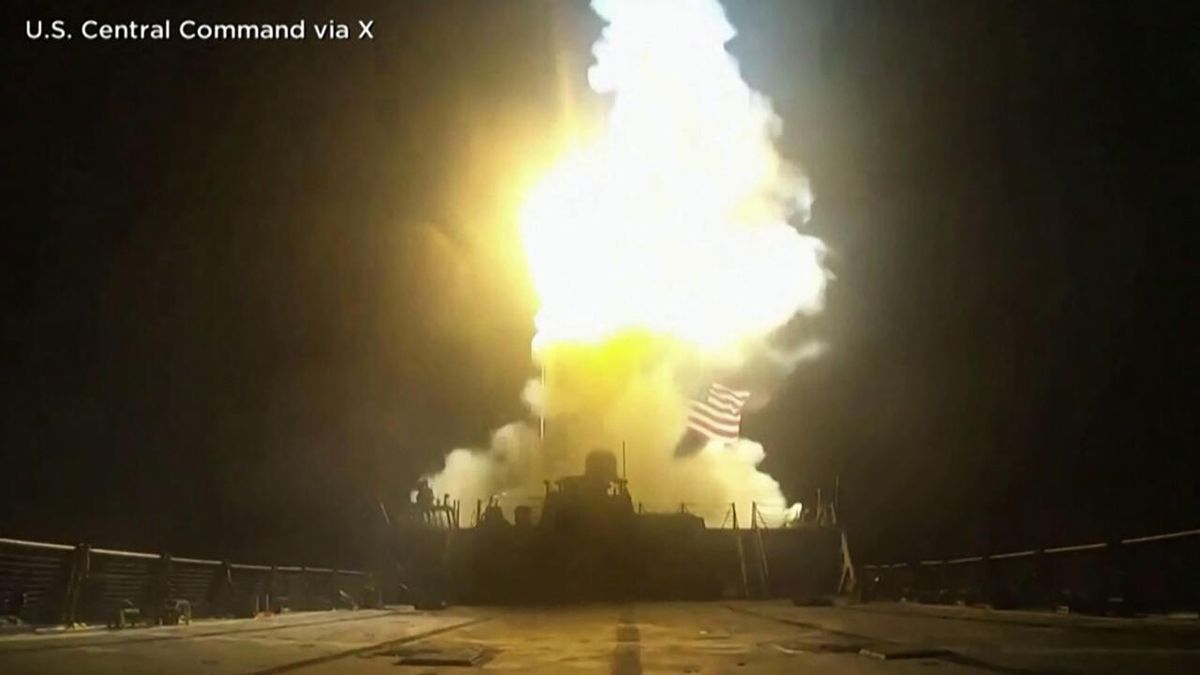
The recent attacks on US troops in Jordan and the subsequent threats from Iranian Supreme Leader Ayatollah Mojtaba Khamenei have heightened tensions in the Middle East. The conflict, which began in February 2026, has seen multiple attacks on both sides, with the US and its allies targeting Iranian military sites and infrastructure, while Iran has launched drone and missile attacks on dissident bases in Iraqi Kurdistan and civilian infrastructure in the region.
The Strait of Hormuz, a critical waterway that connects the Persian Gulf to the Gulf of Oman, has become a focal point of the conflict. Iran has effectively closed the strait to shipping traffic, citing its need for control over the waterway. This move has sent oil prices soaring and given Tehran significant leverage in negotiations. The US has reimposed a naval blockade on Iranian ports to halt its shipments of crude oil, while Iran has fired on ships and demanded that vessels pay fees to transit the strait.
Iran's actions in the region are driven by a desire to assert its dominance and control over the Strait of Hormuz. The country has long sought to establish itself as a regional power and has been willing to take risks to achieve its goals. The US, on the other hand, is seeking to prevent Iran from gaining a strategic advantage and to protect its interests in the region.
The conflict in the Middle East has significant regional implications. The escalation of tensions has led to a decline in shipping traffic through the Strait of Hormuz, with crossings falling to a three-week low. This has had a ripple effect on the global economy, with oil prices rising and trade flows disrupted. The conflict has also led to a humanitarian crisis, with at least 50 people killed and over 500 wounded in US strikes in the past three weeks.
The conflict in the Middle East is likely to continue, with both sides dug in and unwilling to back down. The US has resumed threats to target power stations and bridges to try to compel Iran to loosen its hold on the Strait of Hormuz. Iran, on the other hand, has vowed to teach the US 'unforgettable lessons' if it continues to attack the Islamic Republic. The consequences of this conflict will be far-reaching, with significant implications for regional stability, global trade, and the global economy.
The conflict in the Middle East is a complex and multifaceted issue, driven by strategic motivations and regional implications. The escalation of tensions has led to a humanitarian crisis and significant economic disruption. As the conflict continues, it is essential to understand the underlying drivers and to consider the potential consequences of different outcomes. Only by doing so can we hope to find a peaceful resolution to this crisis and restore stability to the region.
Source referenced: FRANCE24
This brief was synthesized by our Editorial Engine and reviewed by The Ground Narrative team.