TRENDING

Friday, 23 October 2026
----------------------
12 Jumada Al-Awwal 1448 AH
The rapid development of a new Ebola vaccine by Oxford University marks a significant milestone in the fight against the deadly disease. The vaccine, targeting the Bundibugyo strain, has been administered to the first human volunteer, sparking hopes for a potential breakthrough in the outbreak-ridden Democratic Republic of Congo and Uganda.
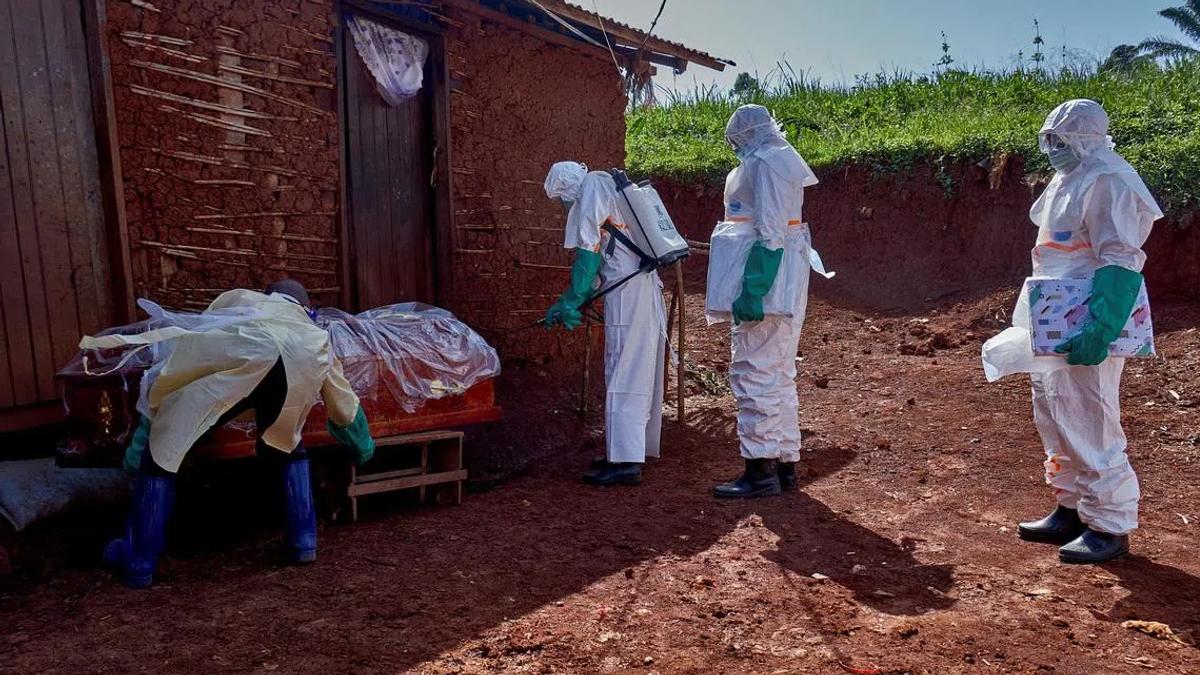
The recent outbreak of the Bundibugyo strain of Ebola in the Democratic Republic of Congo (DRC) and Uganda has resulted in over 1,000 deaths, highlighting the need for a rapid and effective response. The World Health Organization (WHO) has warned that the outbreak has expanded faster than any previous one, emphasizing the urgency of developing a vaccine or treatment.
Oxford University's Pandemic Sciences Institute has taken the lead in developing a new vaccine, ChAdOx1 BDBV, which uses the same technology as AstraZeneca's Covid-19 vaccine. The vaccine has been administered to the first human volunteer, Ed Hunt, marking a significant milestone in the development process. The trial aims to assess the safety and effectiveness of the vaccine in 50 healthy adults.
The rapid development of the Ebola vaccine has significant geopolitical implications. The DRC, a mineral-rich country, has been plagued by conflict and instability, making it challenging to contain the outbreak. The involvement of international organizations, such as the WHO and the Coalition for Epidemic Preparedness Innovations, highlights the global response to the crisis. The Serum Institute of India has already manufactured a stockpile of 620,000 doses, demonstrating the potential for international collaboration in addressing public health crises.
The outbreak in the DRC and Uganda has regional implications, with cases reported in four other DRC provinces. The WHO has warned that the outbreak has expanded faster than any previous one, emphasizing the need for a coordinated response. The involvement of international organizations and the rapid development of the vaccine highlight the importance of regional cooperation in addressing public health crises.
The successful development and deployment of the Ebola vaccine could have significant future consequences. It could provide a model for rapid response to emerging public health crises, demonstrating the potential for international collaboration and innovation in addressing global challenges. The vaccine could also have implications for the global health security architecture, highlighting the need for more effective mechanisms for responding to pandemics.
The rapid development of the Ebola vaccine by Oxford University marks a significant milestone in the fight against the deadly disease. The vaccine, targeting the Bundibugyo strain, has been administered to the first human volunteer, sparking hopes for a potential breakthrough in the outbreak-ridden DRC and Uganda. The geopolitical implications of the vaccine's development and deployment highlight the importance of international collaboration and innovation in addressing public health crises.
Editor's Note: The analysis is based on publicly available information and may be subject to change as more data becomes available.
Source referenced: STRAITSTIMES
This brief was synthesized by our Editorial Engine and reviewed by The Ground Narrative team.