TRENDING

Friday, 2 October 2026
----------------------
21 Rabi' Al-Thani 1448 AH
An experimental clinical trial for the Bundibugyo strain of Ebola has commenced in the Democratic Republic of Congo, aiming to develop effective treatments amidst a deadly outbreak that has claimed over 500 lives. The initiative, backed by the WHO, faces significant challenges from regional violence and community resistance, underscoring the complex interplay of public health, security, and international cooperation.
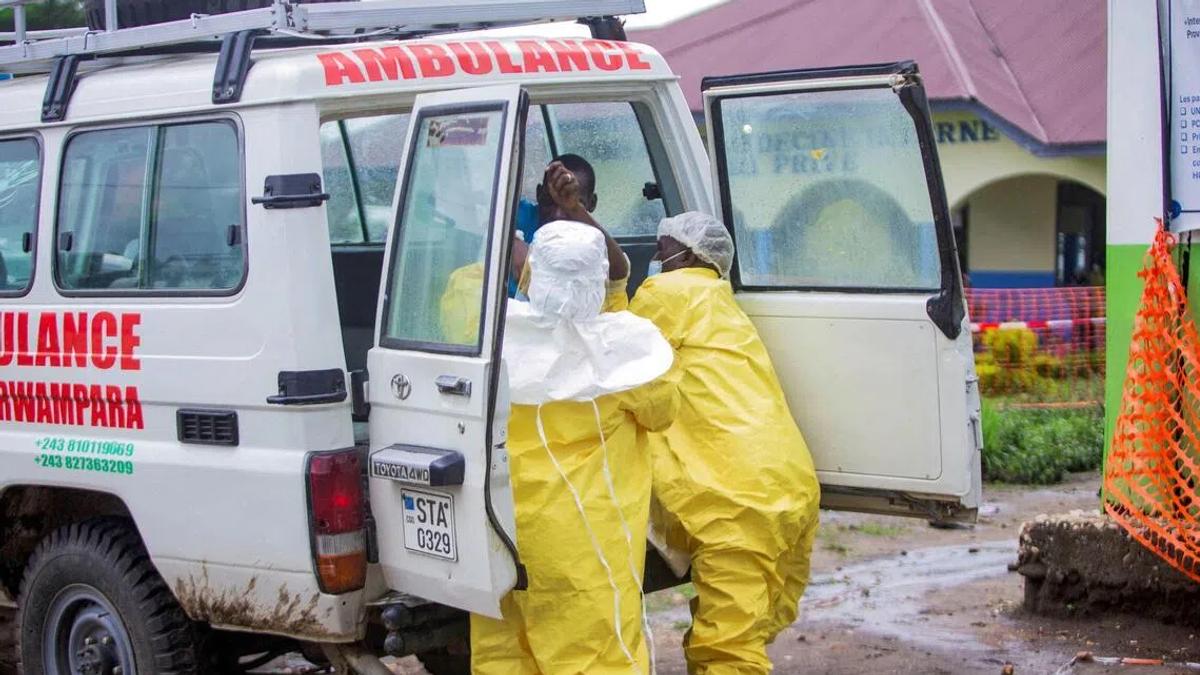
In a critical development for global health security, an experimental clinical trial has begun in the Democratic Republic of Congo (DRC) to test potential treatments for the Bundibugyo strain of Ebola. This strain has caused a significant outbreak, infecting nearly 1,600 people in Congo and neighboring Uganda and leading to over 500 deaths. The trial, initiated in July 2026, represents a concerted international effort to combat a virulent disease for which no approved vaccines or specific treatments currently exist.
The trial, sponsored by the World Health Organization (WHO) and coordinated by the University of Oxford, is evaluating Mapp Biopharmaceutical’s monoclonal antibody cocktail MBP134 and Gilead Sciences’ antiviral remdesivir. It is primarily focused on patients in Congo’s Ituri province, the epicenter of the current outbreak. A key innovation of this study is its adaptive platform design, which allows for continuous patient recruitment across current and future Ebola outbreaks, ensuring that valuable data can be accumulated over time, even if the current epidemic subsides. This design also permits the inclusion of vulnerable populations, such as children, pregnant women, and breastfeeding women, who are often excluded from clinical research despite facing heightened risks.
The commencement of this trial is not merely a scientific endeavor; it carries profound geopolitical and regional stability implications. The DRC, particularly its eastern provinces like Ituri and North Kivu, has long been plagued by armed conflict, political instability, and humanitarian crises. These underlying conditions significantly complicate public health responses and exacerbate the impact of epidemics.
Challenges to Response Efforts: The article highlights severe operational challenges, including violent attacks on response teams, vandalism of Ebola infrastructure, and persistent insecurity disrupting field operations. An infection-prevention team, for instance, was attacked and its vehicle stoned in North Kivu. Such incidents are symptomatic of deeper issues: a lack of trust in governmental and international institutions, fueled by historical grievances, political manipulation, and the presence of numerous armed groups. Community resistance to screening and treatment, alongside overcrowded treatment centers, further impedes effective disease containment.
Cross-Border Contagion and Regional Security: The fact that the outbreak has spread to neighboring Uganda underscores the transnational nature of infectious disease threats. Uncontrolled epidemics in one nation can quickly become regional crises, straining healthcare systems, disrupting economies, and potentially leading to population displacement. This necessitates robust cross-border cooperation and coordinated regional health strategies, which are often challenging to implement in areas marked by porous borders and ongoing conflict.
International Cooperation and Capacity Building: The involvement of the WHO, international pharmaceutical companies, and academic institutions like the University of Oxford demonstrates the critical role of multilateralism in addressing global health emergencies. This collaboration not only brings scientific expertise and resources but also aims to build local capacity. The establishment of new diagnostic laboratories closer to transmission hotspots and the construction of additional treatment facilities are vital steps in strengthening the DRC's health infrastructure. Furthermore, the authorities' decision to offer free healthcare in hard-hit areas is a strategic move to encourage early care-seeking and rebuild community trust, which is essential for successful public health interventions.
The adaptive design of the Partners trial reflects a strategic shift in how the global community approaches emerging infectious diseases. Lessons learned from previous outbreaks, including the COVID-19 pandemic, have emphasized the need for agile research platforms that can rapidly evaluate treatments and vaccines. This approach aims to accelerate the development of definitive answers, ensuring that future outbreaks are met with proven medical countermeasures rather than experimental interventions under emergency use protocols.
From a geopolitical perspective, investing in such trials in vulnerable regions like the DRC is a critical component of global health security. Preventing and containing outbreaks at their source reduces the risk of international spread, thereby safeguarding global economic stability and human health. The challenges faced by the Ebola response in Congo serve as a stark reminder that effective public health interventions cannot be divorced from the broader socio-political and security contexts in which they operate. Addressing the root causes of instability, fostering good governance, and building community trust are as crucial as scientific breakthroughs in the fight against infectious diseases.
In conclusion, the experimental Ebola trial in Congo is a beacon of scientific hope against a deadly pathogen. However, its success is inextricably linked to overcoming the complex web of violence, mistrust, and instability that characterizes the region. The outcome of this trial, both scientifically and operationally, will offer invaluable lessons for future global health crises, highlighting the imperative for integrated strategies that combine medical innovation with robust security, diplomatic, and community engagement efforts.
Source referenced: STRAITSTIMES
This brief was synthesized by our Editorial Engine and reviewed by The Ground Narrative team.

