TRENDING

Monday, 5 October 2026
----------------------
24 Rabi' Al-Thani 1448 AH
As the US marks 250 years since the Declaration of Independence, the country grapples with the legacy of its past, including deepening political divisions, resurgent racism, and renewed attacks on civil rights.
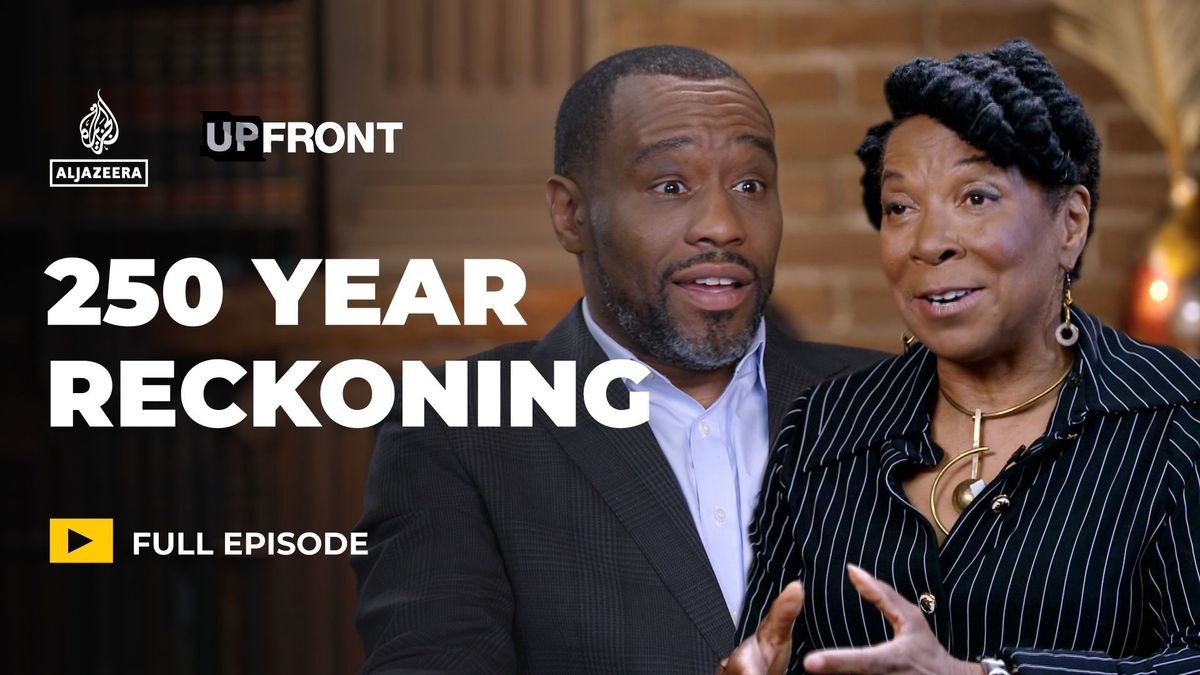
The United States is celebrating a significant milestone – 250 years since the signing of the Declaration of Independence. This momentous occasion serves as a poignant reminder of the country's transformative journey, marked by major advances in technology, economic power, and civil rights. However, these gains are now juxtaposed with profound challenges, including deepening political divisions, resurgent racism, and renewed attacks on civil rights.
The US civil rights movement has been a defining aspect of the nation's history, with pivotal moments such as the Montgomery Bus Boycott, the March on Washington, and the passage of landmark legislation like the Civil Rights Act and the Voting Rights Act. These achievements have been instrumental in shaping the country's identity and have served as a beacon of hope for marginalized communities worldwide.
Despite the progress made, the US civil rights landscape remains complex and contentious. The past few years have seen a resurgence of racist rhetoric, hate crimes, and voter suppression tactics, which have eroded the gains of the civil rights movement. The Trump administration's policies, including the travel ban targeting predominantly Muslim countries and the rollback of affirmative action, have further exacerbated these issues.
The US civil rights struggle has far-reaching implications for the global community. The country's handling of issues like racism, xenophobia, and police brutality has significant consequences for international relations, particularly in the context of the Black Lives Matter movement and its global offshoots. The US's reputation as a champion of human rights and democracy is being tested, and its response to these challenges will have a profound impact on its relationships with other nations.
As the US reflects on its 250-year history, it is essential to acknowledge the progress made while also confronting the regression that has occurred. The country must address the systemic issues that have led to the erosion of civil rights, including voter suppression, police brutality, and racial profiling. This requires a multifaceted approach, involving policy changes, community engagement, and a commitment to social justice.
The US civil rights journey is a complex and ongoing narrative, marked by both progress and regression. As the country celebrates its 250-year anniversary, it is crucial to recognize the significance of this moment and the challenges that lie ahead. By acknowledging the past, confronting the present, and working towards a more just future, the US can reclaim its position as a champion of human rights and democracy.
Source referenced: ALJAZEERA
This brief was synthesized by our Editorial Engine and reviewed by The Ground Narrative team.


