TRENDING

Sunday, 13 September 2026
----------------------
2 Rabi' Al-Thani 1448 AH
Wildfires sweeping through the Greek island of Salamina have killed two people and injured several others, as Europe grapples with successive heatwaves and drought. The disaster highlights the human cost of climate change and the challenges faced by countries in preventing and responding to such crises.
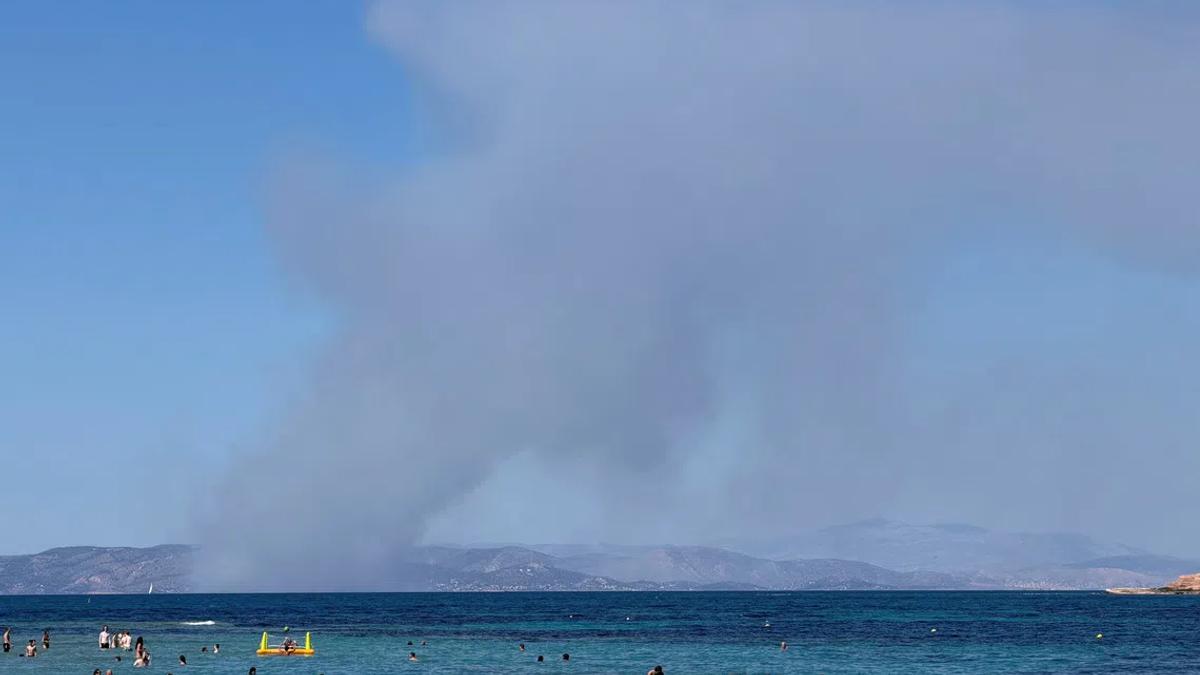
Two people have died and several others were injured as wildfires swept through the Greek island of Salamina, located west of Athens. The fires broke out during Greece's peak summer getaway weekend, around the August 15 Assumption holiday, when large numbers of Athenians head to nearby islands.
The successive heatwaves intensifying drought and straining water supplies across Europe have created a tinderbox of conditions ripe for wildfires. Climate change is a significant factor, with rising temperatures and altered precipitation patterns contributing to the increased risk of such disasters. Furthermore, the proximity of Salamina to Athens, the capital's main port of Piraeus, and its popularity as a summer getaway, underscores the socioeconomic dynamics at play. The Greek government's ability to respond effectively to these emergencies is crucial, not just for saving lives but also for maintaining public trust and demonstrating its capacity to manage crises.
The human cost of these wildfires is not limited to the immediate loss of life and property. The residents and tourists who were forced to evacuate, the firefighters and volunteers risking their lives to combat the flames, and the communities whose livelihoods depend on the island's ecosystem all bear the brunt of this disaster. The psychological impact on those who have lost loved ones or seen their homes destroyed should not be underestimated. Moreover, the strain on local health clinics and emergency services adds another layer of complexity to the response efforts.
While the immediate cause of the fires in Salamina is not known, the broader context of climate change and environmental degradation cannot be ignored. Powerful actors, including governments and corporations, often downplay the role of human activities in exacerbating natural disasters. The focus on immediate response and relief can overshadow the need for long-term strategies to mitigate the effects of climate change, such as investing in sustainable practices, enhancing disaster preparedness, and promoting environmental conservation.
As the situation in Salamina and other affected regions evolves, it is crucial to watch for the Greek government's response to the disaster, including any measures to support affected communities and prevent future wildfires. The international community's reaction, particularly in terms of offering aid and sharing best practices in disaster management and climate change mitigation, will also be significant. Furthermore, the impact of these wildfires on Greece's economy, especially its tourism sector, which is a vital component of the country's GDP, should be closely monitored. The ability of European countries to collaborate on addressing the root causes of these disasters and to develop a unified strategy for climate change mitigation will be a key factor in determining the region's resilience to future crises.
Editor's Note: The analysis is based on current trends and available data, but the evolving nature of climate change and its impacts means that predictions and outcomes are subject to a degree of uncertainty.
Source referenced: STRAITSTIMES
This brief was synthesized by our Editorial Engine and reviewed by The Ground Narrative team.


