TRENDING

Sunday, 4 October 2026
----------------------
23 Rabi' Al-Thani 1448 AH
A recent stampede-like incident at an Indian temple, claiming seven lives, highlights the recurring human cost of inadequate infrastructure and crowd management at massive religious gatherings. This analysis delves into the systemic failures and political calculations behind India's deadly pilgrimages.
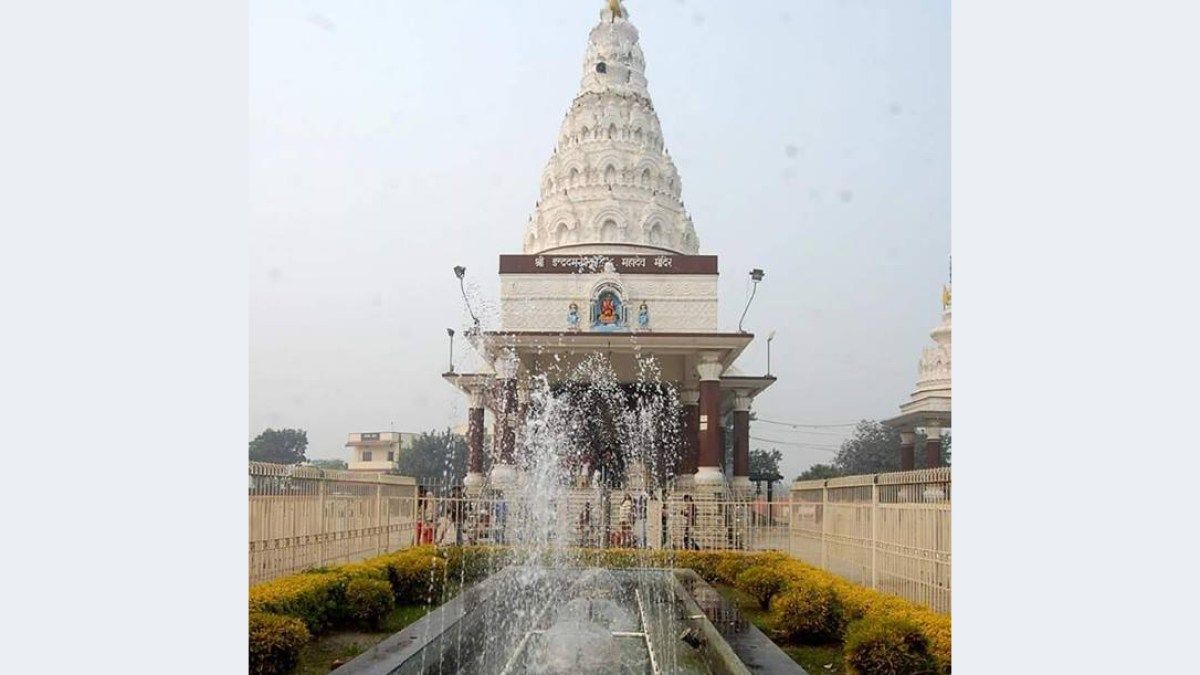
Seven devotees died and more than a dozen were injured in a "stampede-like" incident at the Ashok Dham temple in Lakhisarai, Bihar, India. The tragedy unfolded during the holy month of Shravan, when a large crowd had gathered to offer water to the Hindu god Shiva. Initial reports suggest a falling electricity pole caused electrocution, triggering panic and a deadly crush among the pilgrims.
The recurring nature of such tragedies at India's religious festivals points to a complex interplay of political incentives, economic realities, and cultural norms. For governments, facilitating massive religious gatherings can be a powerful tool for garnering public support, especially from a religiously devout electorate. The political capital gained from being seen as a patron of faith often outweighs the perceived cost of investing in comprehensive, expensive safety measures that are not immediately visible or politically rewarding. This creates a subtle but significant disincentive for proactive, systemic safety over reactive, post-incident responses.
Religious institutions, while central to these events, often lack the resources, expertise, or regulatory authority to manage crowds of millions safely. They frequently rely on government support, which can be inconsistent or focused on grand gestures rather than granular safety protocols. The economic trade-off is stark: upgrading electrical grids, implementing robust crowd barriers, and deploying extensive emergency services across thousands of pilgrimage sites nationwide is an immense financial undertaking for a developing nation with competing priorities. Consequently, temporary, ad-hoc solutions, which are cheaper but inherently riskier, often become the default. This dynamic perpetuates a cycle where the spectacle of faith takes precedence over the foundational safety infrastructure required for such immense human congregations.
The immediate human cost is borne by the devotees themselves – ordinary citizens, often from rural areas or lower-income brackets, who undertake arduous journeys driven by faith and tradition. They are the direct victims of stampedes, electrocution, and inadequate safety measures. Beyond the immediate fatalities and injuries, families lose breadwinners, children lose parents, and communities are left to grapple with profound grief and economic disruption. These are not just statistics; they are lives irrevocably altered by preventable failures.
Local communities surrounding these pilgrimage sites also bear a significant, often unacknowledged, burden. Mass gatherings strain local resources, overwhelming hospitals, transport networks, and emergency services. The emotional toll on first responders and residents, who repeatedly witness and assist in the aftermath of such incidents, is immense. This cycle of tragedy, recovery, and the inevitable next incident creates a pervasive sense of vulnerability and a quiet erosion of trust in the systems meant to protect them.
What often remains unaddressed in the immediate aftermath of these incidents is the systemic neglect that underpins their recurrence. While official statements offer condolences and promise investigations, there is a persistent accountability gap. The focus tends to be on individual failures rather than the broader structural issues: aging electrical infrastructure, inadequate urban planning around religious sites, and inconsistent enforcement of safety regulations. The fact that "crowd crushes are relatively common in India during religious festivals" is often stated as a matter of fact, rather than a damning indictment of public safety governance.
Furthermore, a subtle narrative often emerges that frames such tragedies as unavoidable accidents or even acts of divine will, effectively deflecting attention from human responsibility and preventable failures. This framing can inadvertently normalize the risks associated with mass religious gatherings, making it harder to demand fundamental changes. The political expediency of facilitating large religious events, which resonate deeply with the electorate, often overshadows the long-term, less visible investment required to make these gatherings truly safe. The conversation rarely shifts to how such events could be managed with the same rigor and safety standards applied to, say, major international sporting events or concerts in developed nations.
Moving forward, observers should watch for more than just reactive measures. The critical question is whether this incident, like others before it, will trigger a genuine, proactive policy review of safety standards at religious sites across India, or if it will result in another localized, temporary fix. Look for concrete plans for upgrading electrical infrastructure, implementing modern crowd control mechanisms, and enhancing emergency response systems at major pilgrimage sites, rather than just promises.
Crucially, the role of public pressure will be vital. Will civil society groups, affected families, or independent media push for greater accountability and systemic change, or will the narrative of "unavoidable tragedy" prevail? Finally, consider how these recurring incidents might subtly influence local and national electoral dynamics. While religious sentiment often plays a powerful role, a persistent failure to protect devotees could, over time, erode public confidence in the governance capacity of political actors. The true test lies in whether India can reconcile its deep-seated spiritual traditions with the imperative of modern public safety.
Source referenced: ALJAZEERA
This brief was synthesized by our Editorial Engine and reviewed by The Ground Narrative team.