TRENDING

Monday, 5 October 2026
----------------------
24 Rabi' Al-Thani 1448 AH
Hong Kong is set to publish its first five-year plan in September, a move that underscores the city's deepening integration with mainland China. The plan is expected to outline Hong Kong's role in China's national development strategy, with significant implications for the city's economy, politics, and people.
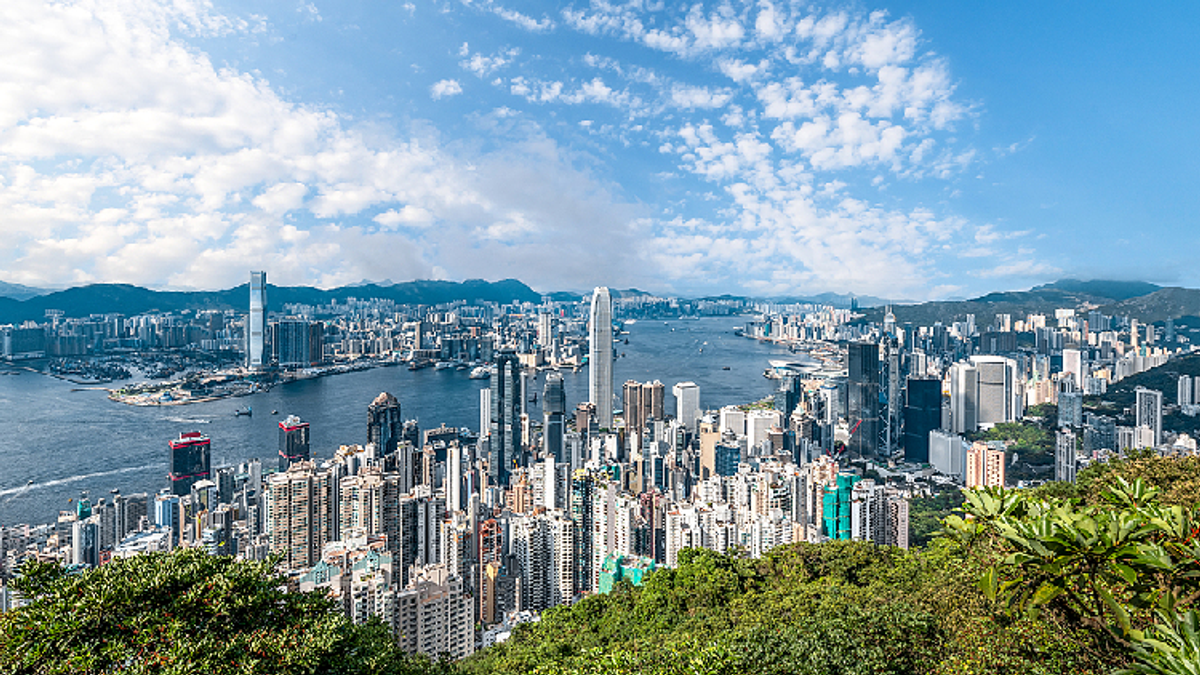
The Hong Kong government has announced that it will publish its first five-year plan in September, following a public consultation that drew over 16,000 submissions from various sectors and stakeholders. The plan is seen as a key initiative to integrate Hong Kong into China's overall development strategy, with the city's government keen to contribute to the country's growth and prosperity.
The five-year plan is a significant development in Hong Kong's relationship with Beijing, reflecting the city's evolving role in China's national strategy. The plan is expected to outline Hong Kong's contributions to China's economic growth, including its role in the Greater Bay Area initiative, a massive infrastructure project aimed at integrating Hong Kong, Macau, and several mainland cities into a single economic hub. The plan will also likely address issues such as innovation, technology, and financial services, areas where Hong Kong is seen as a key player in China's economic development.
The five-year plan will have significant implications for the people of Hong Kong, who are likely to see their city's autonomy and distinct identity further eroded. The plan's emphasis on integration with mainland China may lead to increased scrutiny and control over Hong Kong's economy, politics, and society, potentially undermining the city's traditional freedoms and way of life. The plan may also exacerbate existing social and economic tensions in Hong Kong, including issues such as housing affordability, income inequality, and access to education and healthcare.
While the Hong Kong government has presented the five-year plan as a positive development for the city, there are concerns that the plan may be used to further consolidate Beijing's control over Hong Kong. The plan's emphasis on integration with mainland China may be seen as a threat to Hong Kong's autonomy and distinct identity, potentially leading to increased tensions between the city and the mainland. The plan may also be used to suppress dissent and opposition in Hong Kong, with the city's government using the plan as a pretext to crack down on pro-democracy activists and other critics of the government.
As the five-year plan is published and implemented, readers should watch for signs of increased control and scrutiny over Hong Kong's economy, politics, and society. The plan's impact on the city's autonomy and distinct identity will be a key area of focus, as will its implications for the people of Hong Kong. Readers should also watch for signs of dissent and opposition to the plan, including protests and other forms of activism. The plan's success or failure will have significant implications for Hong Kong's future, and for the city's relationship with Beijing and the rest of the world.
Editor's Note: The analysis is based on publicly available information and may not reflect the full complexity of the situation.
Source referenced: CGTN
This brief was synthesized by our Editorial Engine and reviewed by The Ground Narrative team.


