TRENDING

Sunday, 4 October 2026
----------------------
23 Rabi' Al-Thani 1448 AH
The Ebola outbreak in the Democratic Republic of Congo is spreading at a record pace, with over 4,300 cases and 2,000 lives lost so far. As the virus threatens to reach the capital Kinshasa, the city's preparedness is being put to the test.
The Ebola outbreak in the Democratic Republic of Congo has been spreading rapidly, with the virus now present in six provinces. The outbreak is driven by the rare Bundibugyo strain, for which there is no approved vaccine or treatment. The World Health Organization (WHO) has warned that the outbreak could surpass the 2014-2016 West African Ebola outbreak, which claimed 11,000 lives.
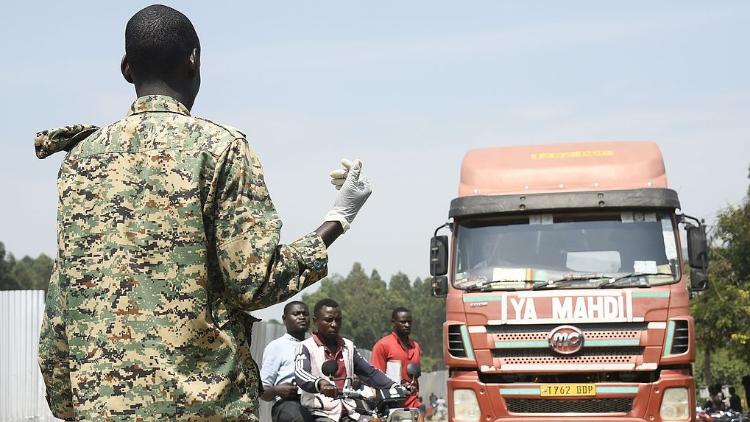
The spread of the virus is being fueled by large-scale population movements and ongoing violence in the affected areas. The northeastern province of Ituri, where the outbreak originated, has been plagued by insecurity for years, making it difficult for health authorities to contain the outbreak. The WHO has expressed concern about the slow pace of contact-tracing, which has allowed the virus to spread quickly.
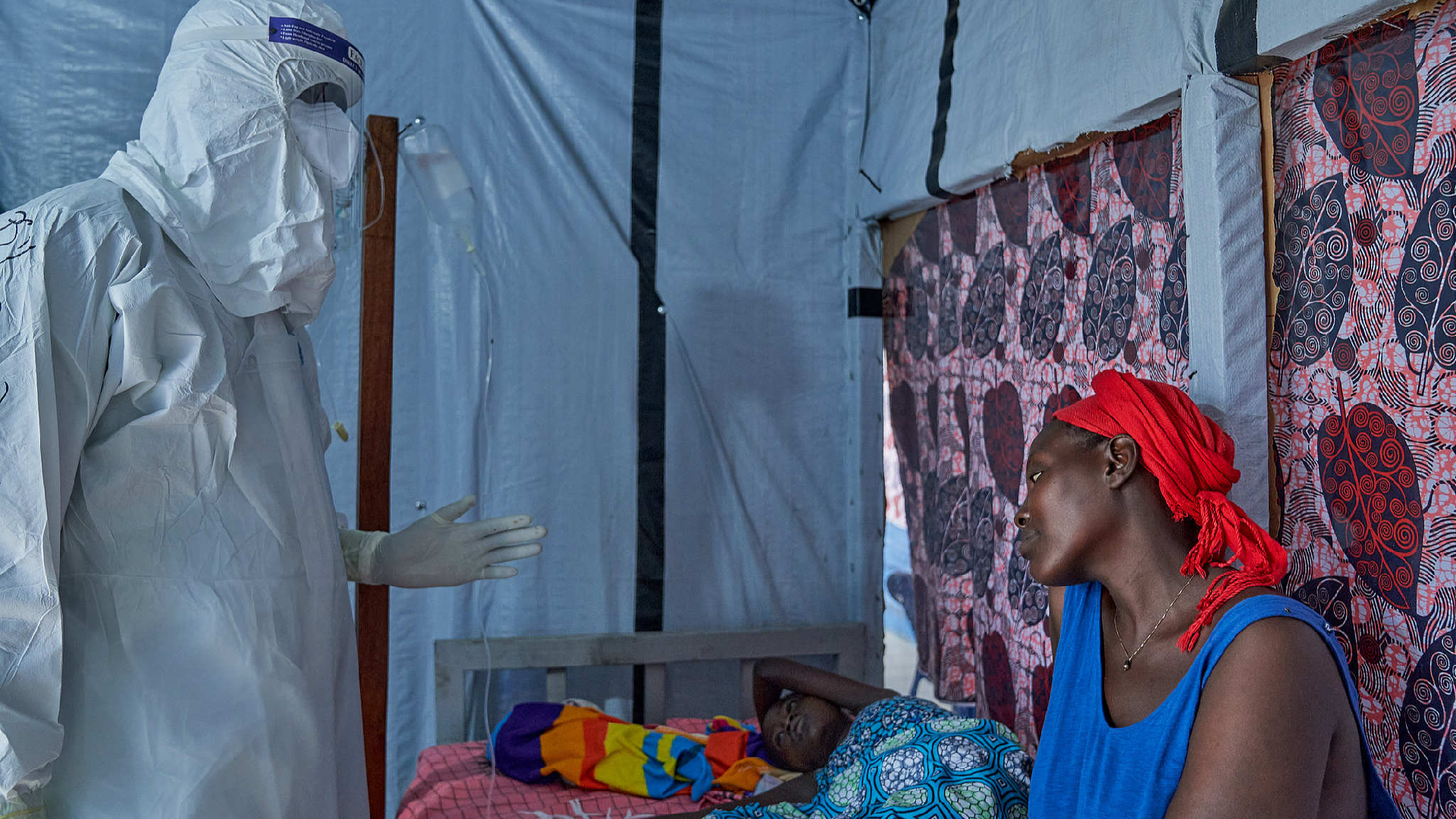
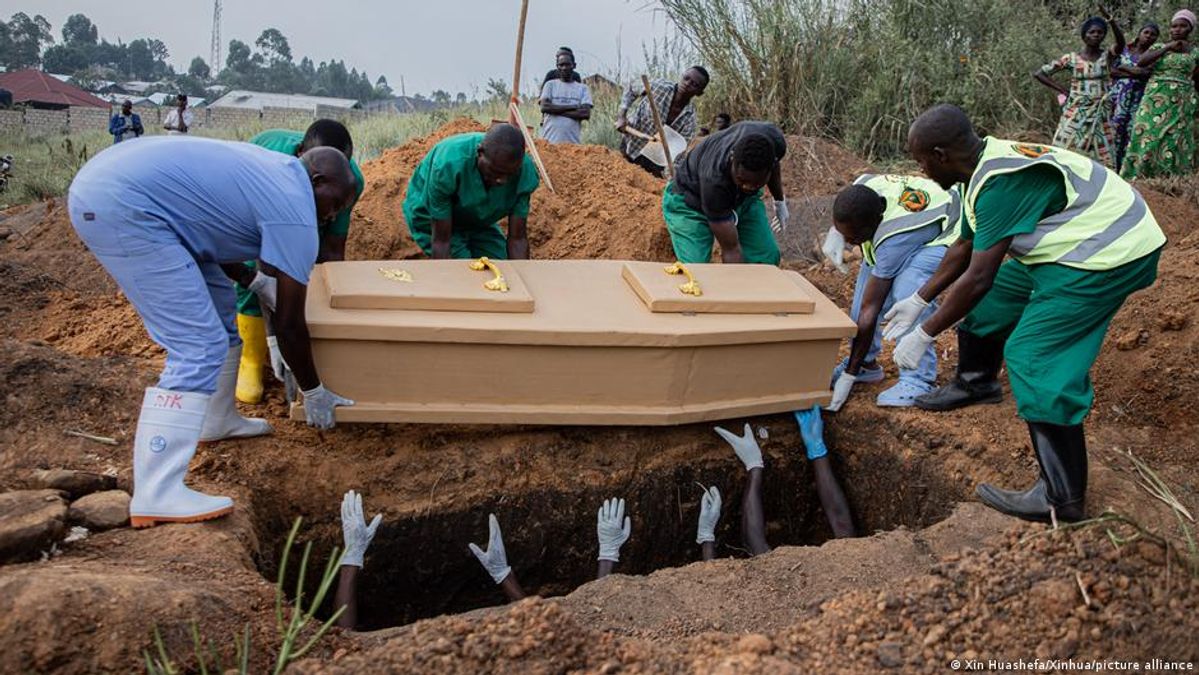
The human cost of the outbreak is devastating, with over 2,000 lives lost so far. The virus is also having a significant impact on the economy and social structures of the affected communities. In Kinshasa, the capital city, there is growing fear among the population of contracting the virus. The city's health facilities are being stretched to the limit, with only 20 beds available for Ebola patients at the Cinquantenaire Hospital.
What is being downplayed by the authorities is the fact that the outbreak is not just a health crisis, but also a humanitarian one. The ongoing violence and insecurity in the affected areas are exacerbating the spread of the virus, and the lack of resources and infrastructure is hindering the response efforts. The WHO has warned that the outbreak could be at least two to four times larger than official figures, highlighting the need for a more comprehensive and coordinated response.
As the outbreak continues to spread, it is essential to watch for the following developments: the effectiveness of the current response efforts, the availability of resources and funding, and the potential for the virus to mutate and become more lethal. The international community must also be vigilant in supporting the affected countries and providing the necessary assistance to contain the outbreak. The people of Kinshasa and the surrounding areas are holding their breath, hoping that the virus will not reach their city and that the authorities will be able to contain the outbreak before it's too late.
Editor's Note: The analysis is based on current data and trends, but the situation is evolving rapidly, and the accuracy of the information may change over time.
Source referenced: DW
This brief was synthesized by our Editorial Engine and reviewed by The Ground Narrative team.