TRENDING

Monday, 5 October 2026
----------------------
24 Rabi' Al-Thani 1448 AH
Thousands of Zimbabweans fled South Africa after anti‑immigrant raids, only to find a homeland with few jobs and limited aid, exposing a cycle of displacement and neglect.
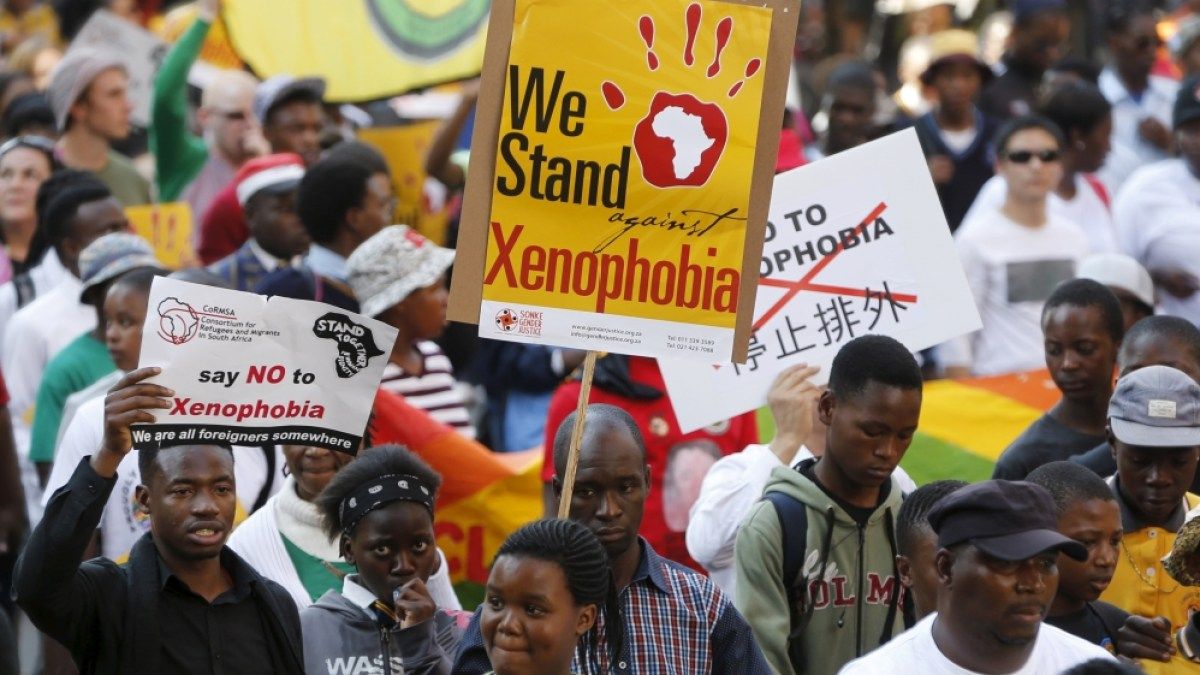
Samantha Chimbuya and more than 116,000 fellow Zimbabweans left South Africa in mid‑2026 after anti‑immigrant activists set a June 30 deadline for undocumented migrants to depart. The exodus, sparked by raids on homes and workplaces in KwaZulu‑Natal and elsewhere, forced many to return to a Zimbabwe still reeling from hyperinflation, high unemployment, and a fragile health system. By late July, the Zimbabwean Information Minister reported that roughly 80% of the returnees made the journey on their own, with the state assisting only a fraction.
The surge of xenophobic protests in South Africa cannot be read merely as spontaneous anger. Domestic politics played a central role: opposition parties and nationalist groups seized on migrant labor as a rallying cry ahead of municipal elections, promising to protect “South African jobs” while deflecting criticism of rising crime rates. Economic pressures—particularly in the informal sector where migrants often fill labor gaps—created a zero‑sum narrative that framed newcomers as thieves of scarce resources.
Meanwhile, the Zimbabwean government faces a paradox. On one hand, it benefits from the return of skilled workers who can bolster a stagnant economy; on the other, it must shoulder the cost of reintegration without a robust fiscal cushion. The state’s limited budget forces it to prioritize short‑term political optics—such as announcing screening centres and pledging to recruit teachers—over long‑term structural investment. International donors, wary after previous aid mismanagement scandals, have kept funding modest, leaving a gap that civil society and churches scramble to fill.
Regional migration dynamics also matter. The Southern African Development Community (SADC) lacks a binding framework for orderly labor mobility, allowing host countries to swing between open‑door policies and abrupt crackdowns. This regulatory vacuum empowers fringe activist groups to set de‑facto deadlines, knowing that governments are unlikely to intervene decisively without risking domestic backlash.
For families like the Chimbuyas, the journey home is only the first hurdle. In Mutare’s outskirts, returnees confront a job market that has not recovered from the 2020‑2022 economic crisis. Formal employment is scarce; most rely on subsistence farming or informal trading, sectors already saturated with locals. Without the promised micro‑grants, many are forced to borrow at predatory rates, deepening household debt.
The migration wave also fractured households. While Samantha’s husband remains in South Africa, earning a meager wage under constant threat of harassment, their children now attend under‑resourced schools in Hurungwe. The emotional toll of separation compounds economic stress, leading to higher incidences of anxiety and depression among both parents and children.
Communities receiving large numbers of returnees experience sudden pressure on public services—health clinics, schools, and water points—already operating at capacity. Municipal budgets, already thin, must stretch to accommodate temporary shelters and food aid, diverting funds from infrastructure projects that could generate jobs.
Official statements from South Africa’s presidency downplay the role of extremist groups, insisting the June 30 deadline was a “normal day.” In reality, the state’s law‑enforcement agencies turned a blind eye to mob raids, allowing the narrative of “voluntary departure” to mask tacit complicity. This omission shields the government from accusations of human rights violations while preserving a veneer of order.
South African construction firms and mining companies, which rely heavily on cheap migrant labour, quietly lobbied for stricter immigration enforcement to reduce wage pressures. Their influence is rarely mentioned in public discourse, yet the timing of the raids—coinciding with a dip in commodity prices—suggests a strategic move to protect profit margins.
While the Zimbabwean government touts “screening centres” and “vocational training,” it omits the fact that its treasury is running a deficit of over 12% of GDP. Funding for promised grants must compete with debt service obligations, meaning many programmes remain on paper. Civil society leaders, like Reverend Useni Sibanda, repeatedly warn that without sustained cash flow, reintegration will stall, but these warnings receive limited media coverage.
Churches have become the de‑facto safety net, offering shelter, food, and skill‑training. However, their capacity is finite, and reliance on charitable donations makes their assistance vulnerable to donor fatigue. The state’s failure to coordinate with these networks leaves a patchwork of support that varies dramatically from one district to another.
The next six months will reveal whether Zimbabwe’s leadership can translate rhetoric into concrete budget allocations for returnee programmes. Watch for parliamentary debates on a proposed “Diaspora Reintegration Fund,” which could unlock donor money if passed. In South Africa, monitor the upcoming municipal elections; a surge in nationalist rhetoric may trigger another wave of informal expulsions, prompting regional bodies like SADC to reconsider migration protocols. Finally, keep an eye on the private sector’s response: if mining houses begin publicising “local‑first” hiring policies, they may be signaling a shift toward formalising labour standards that could either create new opportunities for returnees or further marginalise those without formal credentials.
The human story behind the headlines is one of resilience under pressure, but also of systemic neglect that allows cycles of displacement to repeat. Understanding who benefits—and who bears the cost—remains essential for any meaningful policy response.
The protests were fueled by a mix of political opportunism, economic anxiety in the informal sector, and nationalist groups exploiting fears of job loss ahead of local elections.
The government announced screening centres, vocational training, and plans to recruit teachers among returnees, but funding remains limited and many promised grants have not materialised.
Source referenced: ALJAZEERA
This brief was synthesized by our Editorial Engine and reviewed by The Ground Narrative team.