TRENDING

Monday, 5 October 2026
----------------------
24 Rabi' Al-Thani 1448 AH
Two 1983 movies sparked a public outcry that forced the White House to confront emerging computer risks. A new documentary shows the same cultural lever being used for AI today.
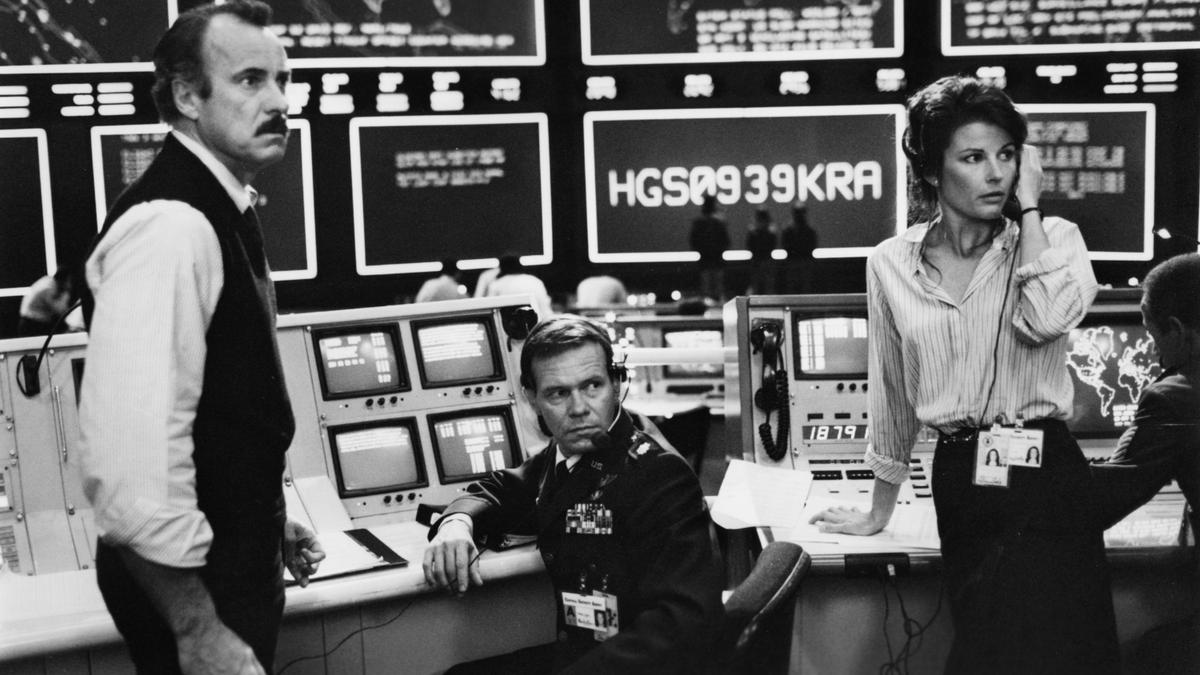
In June 1983, WarGames hit theaters, dramatizing a teenage hacker who accidentally triggers a nuclear‑war simulation on a U.S. supercomputer. The same year, the TV movie The Day After aired, depicting a fictional nuclear exchange on American soil. Both films ignited a nationwide conversation about the safety of emerging digital and nuclear technologies. Fast forward to 2026, the documentary AI Doc: Or How I Became An Apocaloptimist revives that strategy, using modern storytelling to warn about unchecked artificial‑intelligence development. The film was screened for members of Congress and their staff, aiming to translate cinematic fear into legislative urgency.
The early 1980s were defined by a Cold War mindset that equated military strength with political legitimacy. Ronald Reagan leveraged a hard‑line rhetoric to justify soaring defense budgets, while the Pentagon’s emerging cyber‑units struggled to keep pace with civilian computer adoption. The release of WarGames created a feedback loop: public anxiety pressured the administration to issue National Security Decision Directive 145, mandating tighter security for computer and telecommunications systems. This directive expanded the Defense Department’s jurisdiction over civilian networks, granting it a foothold in the nascent tech industry. In the 2020s, the same pattern repeats. Tech giants wield massive lobbying power, while the defense establishment seeks to embed AI into weapons platforms. By funding documentaries and partnering with influencers, they shape the narrative before Congress can act, turning cultural moments into policy levers.
The fallout of these cultural‑policy cascades lands on ordinary people. In the 1980s, American families lived under the shadow of a possible accidental nuclear strike, prompting school drills and mental‑health strains. Simultaneously, Soviet military personnel faced heightened alert levels, increasing the risk of miscalculation. Today, tech workers in Silicon Valley and beyond bear the brunt of accelerated AI deployment: long hours, job insecurity, and the moral weight of building systems that could be weaponized. Communities near data centers experience environmental degradation, while marginalized groups are often excluded from the decision‑making circles that determine how AI is regulated.
While the films spotlighted public danger, they also obscured who profits from the ensuing security measures. Defense contractors secured lucrative contracts to harden networks and develop autonomous weapons, a revenue stream that grew exponentially after the 1983 directive. Hollywood studios, meanwhile, benefited from government subsidies for productions that aligned with national‑security messaging, creating a symbiotic relationship between entertainment and defense. Official statements frequently downplay this financial entanglement, framing the narrative as pure public‑interest advocacy. Moreover, media coverage tends to emphasize the heroic individual—whether a teenage hacker or a documentary filmmaker—while sidelining the bureaucratic and corporate machinery that translates fear into budget allocations.
The next few months will reveal whether the AI Doc strategy can translate cultural shock into concrete legislative change. Watch for new hearings in the Senate Armed Services Committee that reference the documentary, and for any amendment to the upcoming AI‑Safety Act that expands defense‑sector oversight of civilian AI research. Keep an eye on upcoming summer releases that blend thriller tropes with AI ethics, as studios may once again become de‑facto policy influencers. Finally, monitor grassroots tech‑worker unions; their ability to mobilize around safety concerns could shift the balance of power away from entrenched defense interests.
The film sparked public fear about computer‑driven nuclear accidents, prompting President Reagan to ask the Joint Chiefs about the risk and leading to National Security Decision Directive 145, which tightened computer security across government and defense agencies.
AI Doc aims to use cinematic storytelling to raise public awareness of AI risks, pressuring lawmakers to adopt stricter oversight and preventing unchecked development of autonomous weapons.
Source referenced: FOREIGNPOLICY
This brief was synthesized by our Editorial Engine and reviewed by The Ground Narrative team.


