TRENDING

Tuesday, 22 September 2026
----------------------
11 Rabi' Al-Thani 1448 AH
East Africa has strategically mobilized long-distance truck drivers as a crucial first line of defense against Ebola, stemming from cases in the Democratic Republic of Congo. This initiative highlights the complex interplay of public health, economic necessity, and regional security in managing cross-border disease transmission.
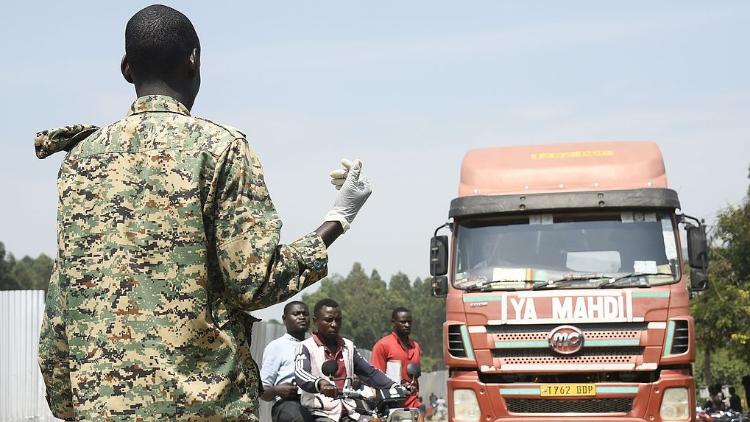
The ongoing vigilance against Ebola in East Africa highlights a critical intersection of public health, economic necessity, and regional security. With heightened alerts stemming from cases in the Democratic Republic of Congo (DRC), the region has strategically mobilized its vital long-distance truck drivers, transforming them into a crucial first line of defense against the deadly virus. This proactive approach underscores the complex challenges of managing infectious diseases in interconnected economies and the imperative for robust cross-border cooperation.
The Democratic Republic of Congo has a long and tragic history with Ebola outbreaks, particularly in its eastern provinces, which often border several East African nations. These outbreaks not only devastate local communities but also pose significant regional threats due to the high mobility of people and goods. The current focus on truck drivers, who traverse thousands of kilometers daily from major logistics hubs like Nairobi, Kenya, to destinations including Uganda, Rwanda, South Sudan, and the DRC, reflects a pragmatic understanding of disease transmission vectors. These drivers are indispensable for regional trade, facilitating the movement of essential goods and sustaining economic lifelines. However, their extensive travel routes and frequent interactions across diverse populations also make them potential conduits for rapid disease dissemination, turning a purely health crisis into a broader geopolitical concern impacting regional stability and economic continuity.
The decision to integrate this mobile workforce into surveillance efforts is a strategic recognition that traditional border controls alone are insufficient. The sheer volume of daily cargo truck departures from Nairobi, a major economic hub, necessitates a multi-layered defense. By empowering and educating drivers, regional authorities aim to create a distributed network of informed individuals capable of early detection and risk mitigation, thereby slowing or preventing the spread of Ebola beyond localized outbreaks. This approach acknowledges the reality that economic activity cannot simply halt, and thus, mitigation strategies must be woven into the fabric of daily commerce.
In response to the persistent threat, authorities in Kenya and its neighboring countries have implemented a series of health protocols. These measures include mandatory temperature checks, comprehensive health screenings, and targeted awareness campaigns at key border crossings and logistics hubs. Truck drivers themselves, like Stephen Kihima, have adopted personal behavioral adjustments, such as replacing handshakes with fist bumps or waves, demonstrating a grassroots understanding and commitment to public health safety. These individual actions, coupled with institutional screenings, form a critical barrier against transmission.
The implementation of “similar measures” across multiple countries signifies a commendable level of regional coordination. This synchronized effort is vital because a fragmented response would leave significant vulnerabilities, allowing the virus to exploit gaps in surveillance. Such cooperation is a testament to the growing recognition among East African nations that public health security is a shared responsibility, transcending national borders. Regional health officials continue to emphasize the importance of ongoing training and monitoring, indicating a long-term commitment to building resilient public health infrastructure and protocols. This collaborative framework is essential not only for managing the current Ebola threat but also for preparing for future epidemics and pandemics that could emerge in the highly interconnected East African community.
While the primary goal is public health protection, these measures inevitably carry economic and social implications. The introduction of health protocols at borders, while necessary, can add friction to cross-border trade, potentially increasing transit times and operational costs for logistics companies. However, the alternative – an uncontrolled Ebola outbreak – would have far more devastating economic consequences, including trade disruptions, reduced productivity, and significant healthcare expenditures. Therefore, the current measures represent a calculated investment in long-term economic stability and public welfare.
For the truck drivers, their role has evolved beyond mere logistics. They are now frontline health ambassadors, bearing the dual responsibility of transporting goods and safeguarding public health. This shift requires not only adherence to new protocols but also a heightened sense of personal responsibility and community awareness. Their willingness to adapt daily habits and participate in surveillance efforts is crucial for the success of the regional strategy. This human element underscores the social contract between governments and their citizens, where collective action is paramount in times of crisis.
The East African response to Ebola, particularly its innovative integration of the transport sector, offers valuable lessons in global health security. It highlights how non-traditional security threats, such as infectious diseases, can profoundly impact geopolitical stability, economic development, and international relations. The proactive engagement of a mobile, cross-border workforce demonstrates a sophisticated understanding of modern epidemiological challenges.
This model of community-involved, regionally coordinated surveillance could serve as a blueprint for other regions grappling with similar public health threats. It reinforces the idea that effective disease control requires not only medical interventions but also robust governance, economic resilience, and strong social engagement. As global interconnectedness continues to grow, the ability of regions to collectively manage cross-border health crises will increasingly define their stability and prosperity. The ongoing efforts in East Africa represent a critical step towards building a more resilient and secure future for the continent.