TRENDING

Sunday, 4 October 2026
----------------------
23 Rabi' Al-Thani 1448 AH
China's recent push for international governance of emerging technologies is driven by its own national security concerns and a desire to expand its influence in global counter-terrorism efforts. As the world grapples with the challenges of terrorism, it's essential to examine the power dynamics at play and the potential human cost of such governance.
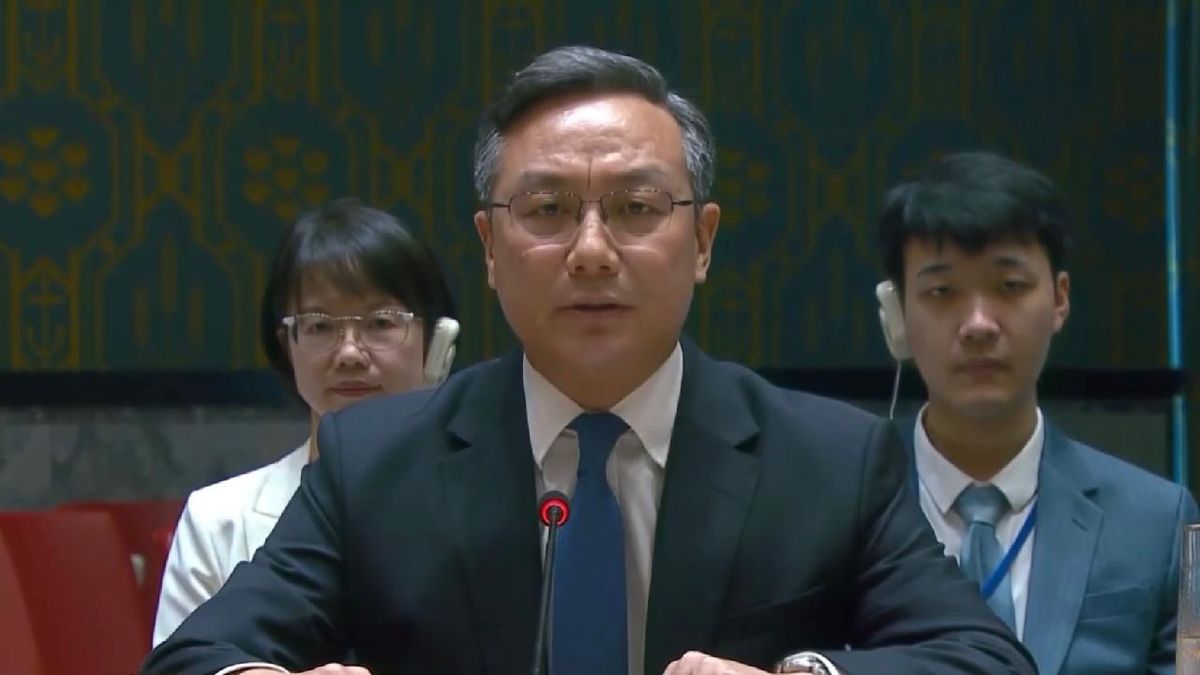
China's envoy to the United Nations, Sun Lei, has called for stronger international governance of emerging technologies to combat terrorism. This move is seen as an attempt by China to expand its influence in global counter-terrorism efforts and address its own national security concerns.
China's push for tech governance is driven by its desire to prevent the exploitation of emerging technologies by terrorist groups, particularly those that pose a threat to its own national security. The country has long been concerned about the use of the internet, artificial intelligence, and drones by separatist and extremist groups in its Xinjiang region. By advocating for international governance, China aims to create a framework that aligns with its own interests and values, potentially giving it greater control over the global narrative on counter-terrorism.
The impact of China's proposed governance framework on human rights and individual freedoms is a significant concern. The country's own record on surveillance, censorship, and repression of minority groups raises questions about its commitment to protecting human rights in the context of counter-terrorism. As the international community considers China's proposal, it's essential to examine the potential consequences for vulnerable populations, including those in Xinjiang, Syria, and Afghanistan, who may be disproportionately affected by such governance.
What China is not explicitly stating is its own strategic interest in shaping the global counter-terrorism agenda. By positioning itself as a leader in this area, China aims to expand its influence in international institutions, such as the United Nations, and to promote its own vision for global governance. This move is also part of China's broader effort to challenge the existing global order and to promote its own brand of authoritarianism as a viable alternative to Western democracy.
As the international community considers China's proposal, it's crucial to watch for the following developments: the response of other major powers, including the United States, Russia, and the European Union, to China's initiative; the potential implications for human rights and individual freedoms; and the impact on the global balance of power, particularly in regions such as the Middle East and Africa, where China is increasingly active. The outcome of this debate will have significant consequences for the future of global governance, counter-terrorism, and the balance of power in international relations.
Editor's Note: The analysis is based on publicly available information and may not reflect the full complexity of China's motivations and intentions.
Source referenced: CGTN
This brief was synthesized by our Editorial Engine and reviewed by The Ground Narrative team.


